

As protests sweep across Tanzania following disputed election results, the country’s streets echo with chants of anger, and the unmistakable rhythm of rebellion.
But long before the crowds took to the streets, Tanzanian musicians had already been fighting their own war, one waged through lyrics and melody.
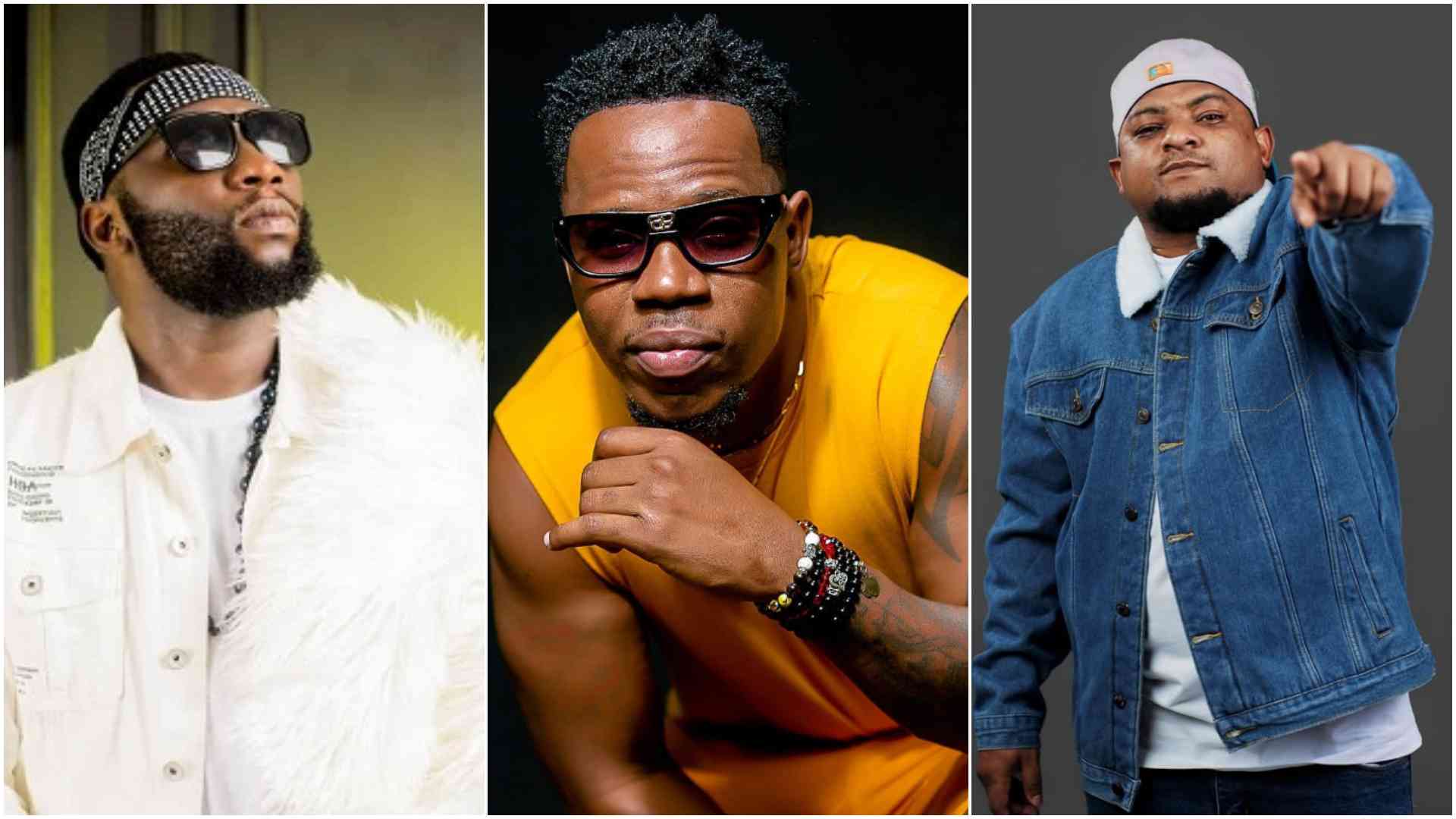
For decades, artists such as Nay Wa Mitego, Professa Jay, Roma Mkatoliki, and Mwana FA have used their art to confront power, question authority, and call for accountability.
Their songs, released across different regimes, have consistently warned of the very discontent now boiling over in the country.
Music that spoke truth to power
Long before today’s turmoil, Professa Jay was already a lyrical activist. His early 2000s classics like Ndio Mzee, Kikao Cha Dharura, and his collaboration with Mwana FA, Jukumu Letu, struck deep at the heart of Tanzanian politics.
In Ndio Mzee, the rapper mocked politicians who shower voters with impossible promises, students conducting science lessons in space, every barmaid driving a Mercedes Benz, and households receiving piped milk.
Its follow-up, Kikao Cha Dharura, captured a population’s frustration as citizens rise up, demanding results from deceitful leaders.
Professa Jay sang, “Jamani punguzeni jazba hata kidogo, sasa Watanzania mbona mnaanza vurugu? Nadhania mmesahau Watanzania wote ni ndugu.” The track ends with a scene familiar to today’s Tanzania, an MC pleading with police to calm angry citizens betrayed by their leaders.
Decades later, these lyrics sound prophetic. Jay, who later served as Mikumi Member of Parliament under the opposition Chadema, became living proof of music’s political power.
His rise from stage to Parliament inspired a generation, though his 2020 electoral loss to a CCM candidate showed how entrenched the system remains.
Nay Wa Mitego’s unrelenting rebellion
If Professa Jay laid the foundation, Nay Wa Mitego built the fire on top of it. Over the years, his songs have been a consistent thorn in the side of Tanzania’s leadership, no matter who held power.
In Amkeni (featuring Dora Boy), released on 26 July 2023, he issues a rallying cry against oppression and corruption:
“Nitakachokionge mtaniona mimi si mzalendo. Uzalendo, uzalendo gani nchi inaendeshwa kimagendo?” he raps, before adding, “Mwisho wa wimbo huu mtasema mimi mchochezi ila kitu kiko wazi mama yenu analea wezi, ndio anafuga wezi.”
He has never shied away from addressing hypocrisy at the top. In one verse, Nay points out that image-building and propaganda have taken precedence over genuine service:
“Promo ya mama ni kubwa kuliko utendaji wake, mabango kila corner akinadiwa na chawa wake. Wanamdanganya ndege bora kuliko ongezeo la mshahara, wanamshauri aongeze ndege shirika linaendeshwa kwa hasara.”
And in a bold strike at parliamentary complicity, he spits, “Na bunge lenu la mchongo, speaker wa mchongo, limebaki bunge na vikao vya CCM.”
Even as recently as two weeks ago, Nay released another politically charged track reminding Tanzanians that “truth cannot be silenced.”
Older releases such as Sauti Ya Watu (2022), Wapo (April 2021), Alisema (six years ago), and Nitasema featuring Raydiace (about 10 months ago) continue to resonate. The tracks address unemployment, rising taxes, corruption, and enforced disappearances—topics that remain painfully relevant today.
Roma Mkatoliki’S fearless verses
For Roma Mkatoliki, music has always been more than art, it is activism.
His song Teremsha Bunduki (“Put Down Your Guns”) became an anthem for peaceful resistance, urging police to remember their humanity, “Kumuua mwandamanaji si ushujaa ni uzembe, mmebeba silaha nzito akili zenu isiwe nyepesi… wanaofaidika bosi zenyu sio nyinyi kwa posho ndogo mnatumwa kutupiga sisi… Yaani unamuua anaye pambania kesho bora ya mwanao, huku unamlinda anayekuibia na ukistaafu hakupi makao.”
Over the years, Roma has faced censorship, intimidation, and arrest, yet he continues to speak out.
His collaboration with Stamina as the duo Rostam caused waves when it accused leaders of looting public resources and selling national assets, including key ports. The song’s opening verses, a dialogue between Roma’s fury and Stamina’s sarcastic support for the government, still spark debate among fans about patriotism and fear.
Diamond Platnumz, Ali Kiba, Harmonize’s voices of praise fell silent
Not all stars chose the path of protest. Some, like Diamond Platnumz, once sang praises for the government and its leadership. But after the recent elections, the tide turned. As protests flared, Diamond deleted all his pro-government posts after fans accused him of turning his back on ordinary Tanzanians.
A day before the elections, he had hailed the president as “a wise and hardworking leader” who had transformed the nation’s key sectors. His words, meant as endorsement, ignited fury instead. Thousands flooded his page, accusing him of “siding with power over the people.”
Soon, unconfirmed reports surfaced that Diamond, Zuchu, and close family members had left the country. Other celebrities, once visible at campaign rallies, fell silent.
Rayvanny, Harmonize, Wema Sepetu, and Ali Kiba all went quiet online as the protests intensified.
Music as a mirror of the nation
From the early 2000s’ protest anthems to the latest track uploaded just days ago, Tanzanian artists have continued to document the people’s pain and hope through rhythm and rhyme.
As the nation grapples with post-election unrest, the same songs that once played in nightclubs and matatus now blare from protest speakers and phone radios. They have become a soundtrack of defiance.