

The walls between boardrooms and backstages are coming down. Brand managers are studying pop culture with as much intensity as A&R executives, and artistes are signing multimillion deals.
A new creative economy is taking shape, powered by influence, digital culture and a hunger for authentic storytelling.
The union is loud, strategic and mutually beneficial. It is a far cry from the days when artistes were merely “brand ambassadors” who showed up for photo ops and appeared at launches.
Today, they function as business entities with negotiating power, creative leverage and massive audiences behind them, communities that brands cannot buy, only borrow.
One of the clearest examples of this shift is producer and hitmaker Motif Di Don, whose simple habit of recording one talented artiste for free every month unexpectedly opened the door to corporate Kenya. At first, it was just a personal crusade; a way of levelling the playing field in an industry notorious for gatekeeping and prohibitive studio fees.
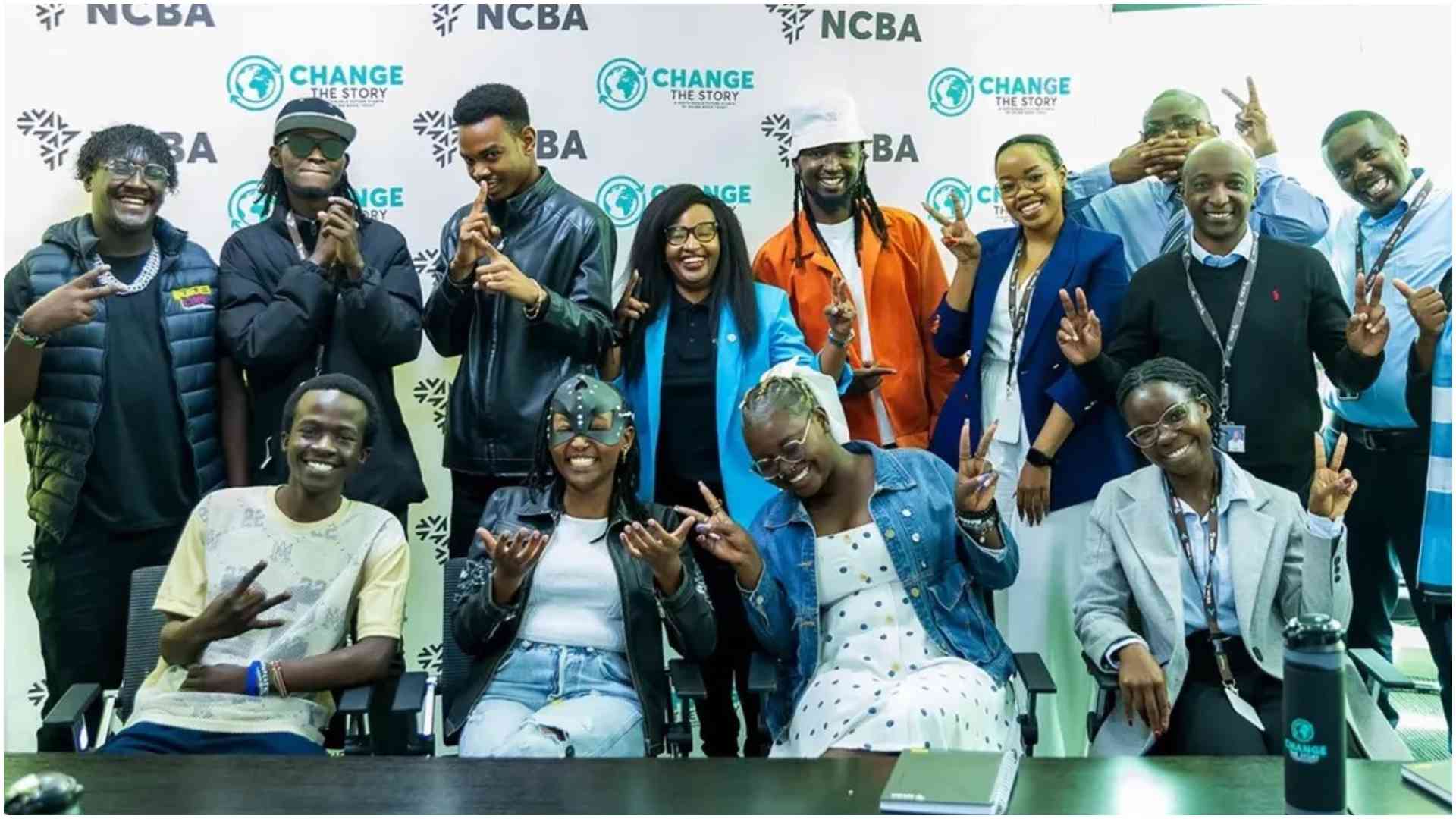
“I’d see artistes with crazy potential, but they just couldn’t access quality studios,” Motif recalls. “So I decided each month, I’d pick one and record them for free. I opened the door.”
What began as a one-man act of generosity quickly created a ripple large enough to attract NCBA Bank. The bank recognised the community impact and turned Motif’s informal charity into a fully-fledged programme: Elev8 LIVE — a structured talent pipeline blending creative support with financial empowerment.
To NCBA, this is not a CSR token, it is an investment strategy.
“Globally, the creative economy is booming, contributing billions in revenue. But here at home, our artistes are still struggling with access to finance,” says Nelly Wainaina, NCBA’s Group Director of Marketing, Communications and Citizenship.
“Through Elev8 LIVE, we’re giving artistes both financial literacy and the tools to scale their craft.”
The programme integrates studio sessions with branding lessons, grooming, media training, contract basics, and guidance on saving and investment; essentially turning performers into artiste-enterprises.
It signals a critical shift: corporates are no longer paying creatives to be the face of products; they are investing in them as long-term partners.
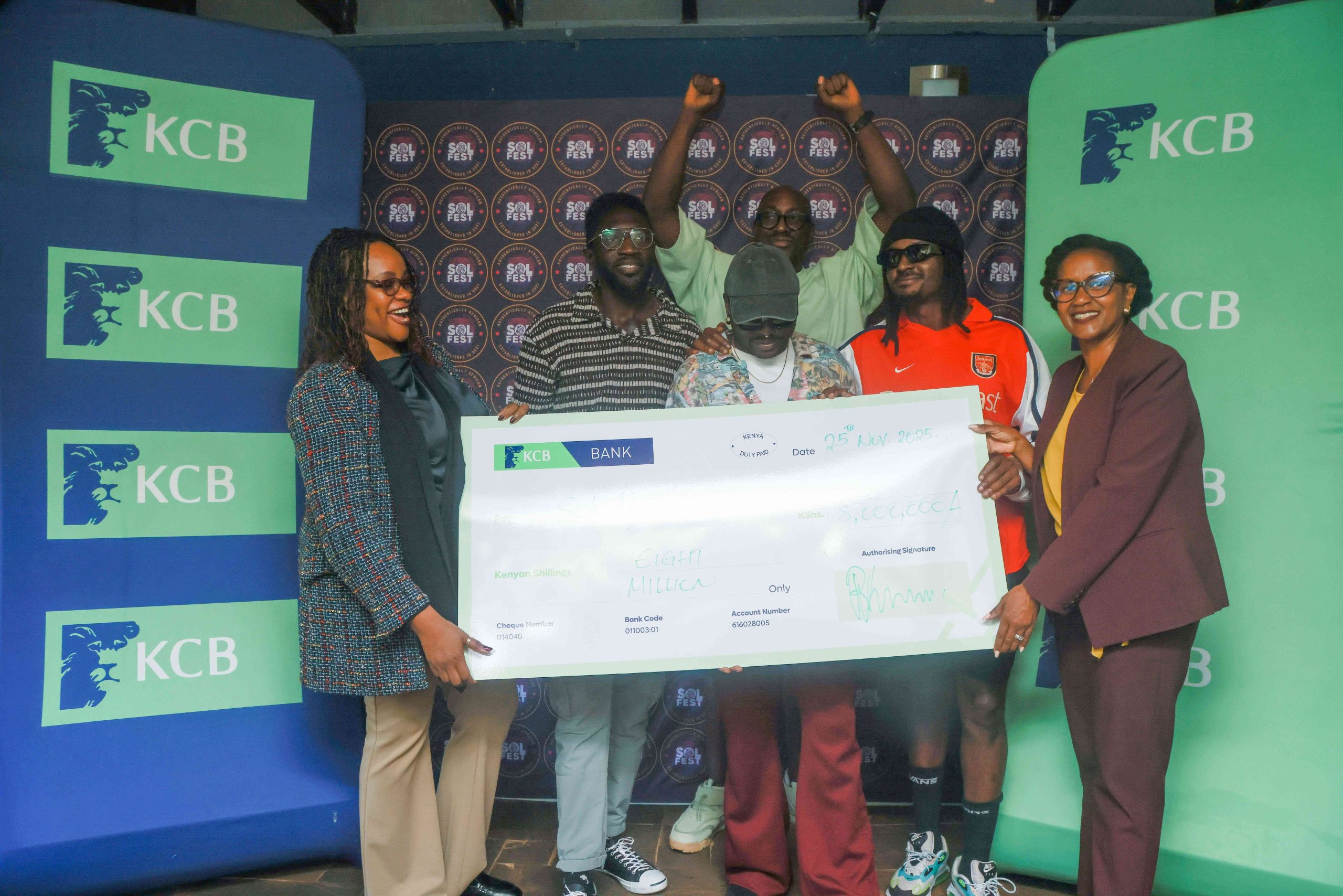
If Motif represents rising talent, Sauti Sol exemplify what happens when an established brand finds the right corporate partner. Their new multimillion-shilling deal with KCB, worth Sh8 million will power SolFest 2025, now one of Africa’s most influential music and culture festivals.
What began as a homegrown fan concert has evolved into a continental cultural moment, drawing audiences from East, Central and Southern Africa. And now, it becomes a model of how banks can plug directly into culture.
Bien-Aimé Baraza calls the partnership a full-circle moment. “It was after a gig we had done,” he says, recalling the day they opened their first KCB account at the Industrial Area branch more than 13 years ago.
That small, ordinary decision has now grown into a landmark investment that cements SolFest as a cultural powerhouse.
To KCB, SolFest is not just an event; it is infrastructure for the region’s creative future.
“Kenya’s creative industry continues to spark innovation, entrepreneurship and youth empowerment,” says Angela Mwirigi, KCB’s Director of Digital Financial Services.
With KCB as the official payments partner, SolFest 2025 is set for a full digital overhaul seamless cashless experiences, elevated VIP access, and a SolFest Mini App offering real-time festival engagement.
It is fintech merging with entertainment, not as an add-on but as an integral part of how modern audiences experience culture.
The line between corporate strategy and creative expression blurred even further when Nyashinski hosted an intimate listening party for his album Yariasu. The event doubled as a music showcase and a carefully curated brand moment.
Held at the Microbrewery, the gathering brought together Nairobi’s media personalities, influencers, producers, cultural tastemakers and executives from East African Breweries (EABL). Their presence underscored a growing reality: brands are no longer just sponsors; they are co-authors of cultural moments.
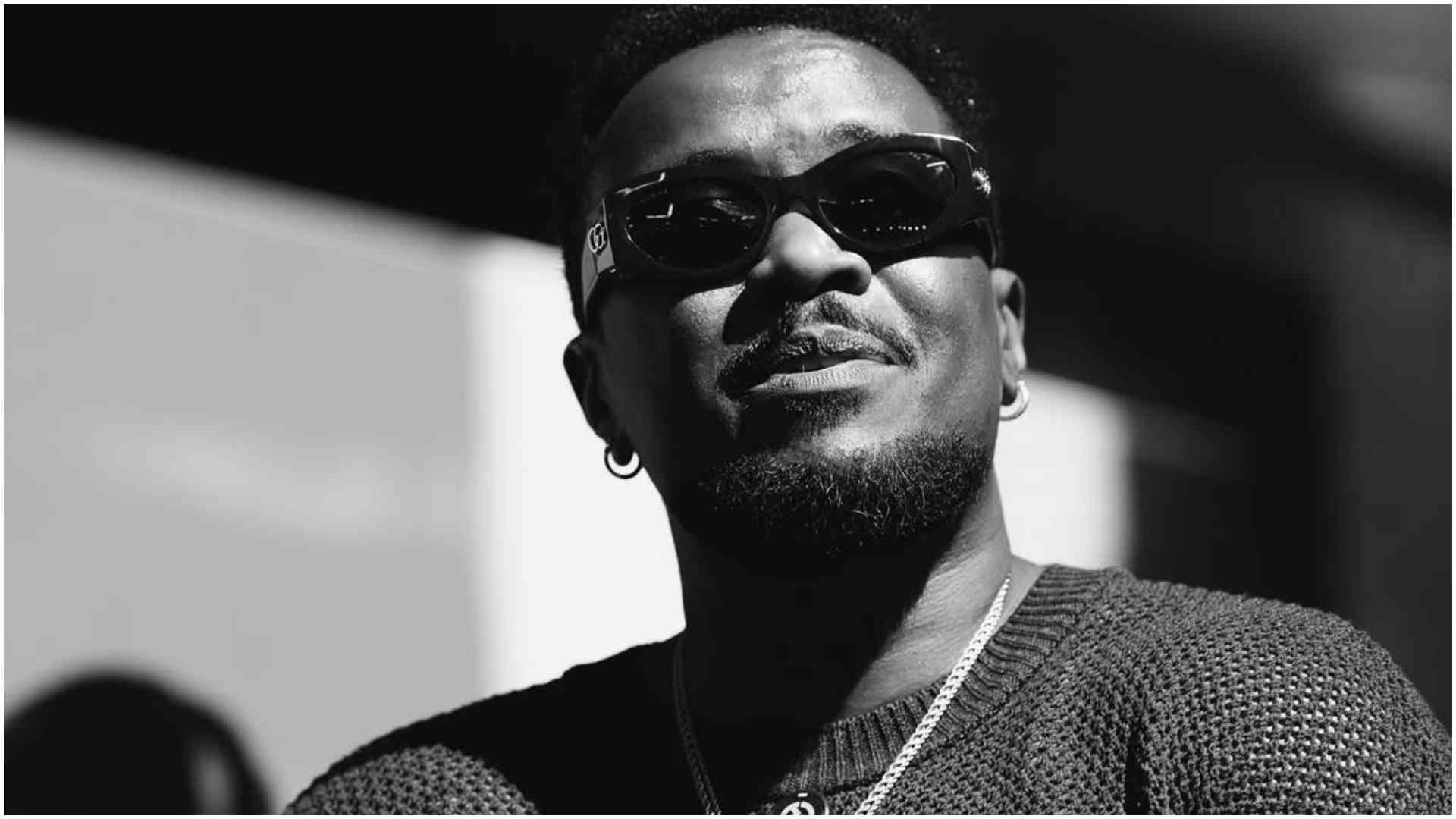
Released on 19 September 2025, Yariasu marks a new chapter in Nyashinski’s evolution — influenced by East African rhythms, global production textures and his recent signing with Sony Music Africa. But the night’s subtext was just as significant: the deepening of his long-standing partnership with Johnnie Walker.
Midway through the evening, Spirits General Manager Alvin Mbugua presented an engraved Johnnie Walker Blue Label bottle to Nyashinski — a symbolic nod to their collaboration. For EABL, Nyashinski isn’t merely a celebrity face; he is a cultural conduit. A bridge to audiences that traditional advertising cannot reach.
The partnership, first announced in 2022, has woven him into multiple Johnnie Walker initiatives; from Shin City to Walker Town — positioning him at the intersection of lifestyle marketing and cultural production. With Yariasu the partnership extended into the sphere of creative experience design itself.
For Nyashinski, the blend reflects the modern music economy. As he told attendees, the album is about creative freedom and experimentation, the same qualities now defining high-value brand partnerships. Today, authenticity is currency.
Events like this signal a bigger shift: artistes and corporates are co-creating stories, not just campaigns.
In the Gen Z universe, no one is rewriting endorsement rules faster than Lil Maina. His co-branded pizza with KULA is not just a product, it is an extension of his Sumbua Stunna persona.
“We wanted something that tastes like energy, like a vibe with spice. That is the Sumbua spirit in real life,” Lil Maina says.
This was not a typical endorsement where an artiste simply appears in posters. Lil Maina was involved in everything; flavour profiles, packaging, campaign identity, distribution rollout.
“Every choice reflects his aesthetic,” says Tiri Murai, KULA’s Brand Strategist. “That’s not marketing — that’s artistry extending into a new medium. Artists are becoming curators of experiences, and brands are moving from sponsorship to co-creation.”
Fans trust it because it feels authentic, not transactional. That authenticity is now the strongest currency in youth marketing.
Behind many of Nairobi’s biggest showbiz deals is Dennis Njenga, Managing Director of Kaka Empire — one of the few managers who treat artistes like full-scale businesses.
He has witnessed the mistakes repeatedly.
“Many artists go into talks feeling excited rather than thinking carefully,” he explains. “They get focused on the money and forget to look at important details like rights that last forever, rules that limit their choices, and extra work that suddenly comes up.”
The imbalance is predictable. Corporates walk in with legal teams; artistes walk in alone. And creativity does not protect anyone from contractual traps.
“They accept promises made verbally, miss warning signs, and think brands will just get it,” he says. “By the time they realize what’s wrong, it’s usually too late.”
His approach flips the dynamic. Deals are evaluated for audience fit, reputation safety and long-term value. The artiste’s personality sits at the center.
“A lot of artistes lose their real feel as soon as a brand gets involved… the campaign fails,” he says. “What I do differently is start with the artist’s personality first and fit the brand smoothly into that. Creative control must be part of every contract.”
His philosophy reflects a seismic shift; creatives now understand that influence is an asset that must be protected, not traded cheaply.
Even theatre, long overshadowed by music and digital content, is benefiting from corporate attention. Boera Bisieri, actor and co-founder of Andymax Entertainment, says their play The Vows and The Vices attracted partners not because of massive numbers, but because of depth.
“Impact over impressions — every single time,” she says. “Numbers may open the door, but it’s authenticity and consistency that keep brands interested long-term.”
Brands, she notes, are becoming increasingly forensic in their checks; analysing digital footprints, audience quality, consistency, public behaviour. Their biggest fears remain scandals, fake engagement and misaligned values.
Across music studios, theatre halls, TikTok timelines and corporate boardrooms, a new marketplace is emerging, one where banks launch talent labs, artistes co-create food products, festivals get fintech upgrades and managers negotiate like lawyers.
The celebrity–brand marriage in Kenya is no longer transactional. It is strategic, cultural and increasingly lucrative.
What is emerging is a new generation of hybrid creatives: part entertainer, part entrepreneur, part digital strategist. And on the other side are brands evolving into cultural curators, betting on influence, storytelling and creative equity rather than traditional advertising alone.
The result is a merging of worlds that once felt incompatible where one hit song can drive app downloads, one viral skit can sell out a product, and one festival can shift a bank’s youth perception overnight.
In the end, as Kenyan creatives become brands and brands become cultural co-authors, one truth stands out: The future of entertainment will be built at the intersection of influence and investment.
And in that intersection; in the deals, partnerships, co-creations and cultural collaborations now unfolding, Kenya’s next wave of celebrity power and corporate strategy is already taking shape.