



Long marketed as cosy sanctuaries for travellers seeking privacy, comfort, and an affordable home-away-from-home experience, Airbnbs are fast becoming shadowy frontlines for violent crime.
A disturbing rise in murders and drug-related incidents has stripped away the veneer of safety surrounding short-term rentals, exposing how the very privacy that draws in guests has also created perfect cover for predators. The recent killing of Anthony Otieno Olwal is only the latest in a growing list of chilling cases that have turned once-trusted hideaways into scenes of horror.
Otieno, 30, was found murdered in an Airbnb on November 18, 2025, moments after making a delivery at Meridian Court Apartments in South B.
A boda boda operator, Otieno had received an order to deliver an iPhone to two “clients” who had booked the Airbnb. The clients turned out to be criminals using the rental unit as a trap to steal the phone before killing him and fleeing.
According to WhatsApp communications seen by police, a man claiming to be in Eldoret had instructed Otieno to deliver the expensive phone to his “brother” in South B. As is standard, delivery was to be confirmed before payment. Otieno obliged and headed to South B, an errand that would tragically be his last.
Moments after Otieno made the delivery, his lifeless body was discovered under the bed in Room Number 14 on the fourth floor. His hands and legs had been tied with a rope, and a leso was wrapped tightly around his mouth.
Blood pooled beneath him, the result of blunt-force trauma to the head. At the scene, police recovered a knife, a metal bar and the very phone Otieno had delivered.
Coincidentally, Otieno was murdered just two blocks from the Airbnb where socialite Scarlet Wahu was killed on January 3, 2024 allegedly by John Matara, who is now facing murder charges.
Just days after Wahu’s murder, the dismembered body of 20-year-old Rita Waeni Muendo was found stuffed in a polythene bag in a dumpster at another Airbnb, her head missing.

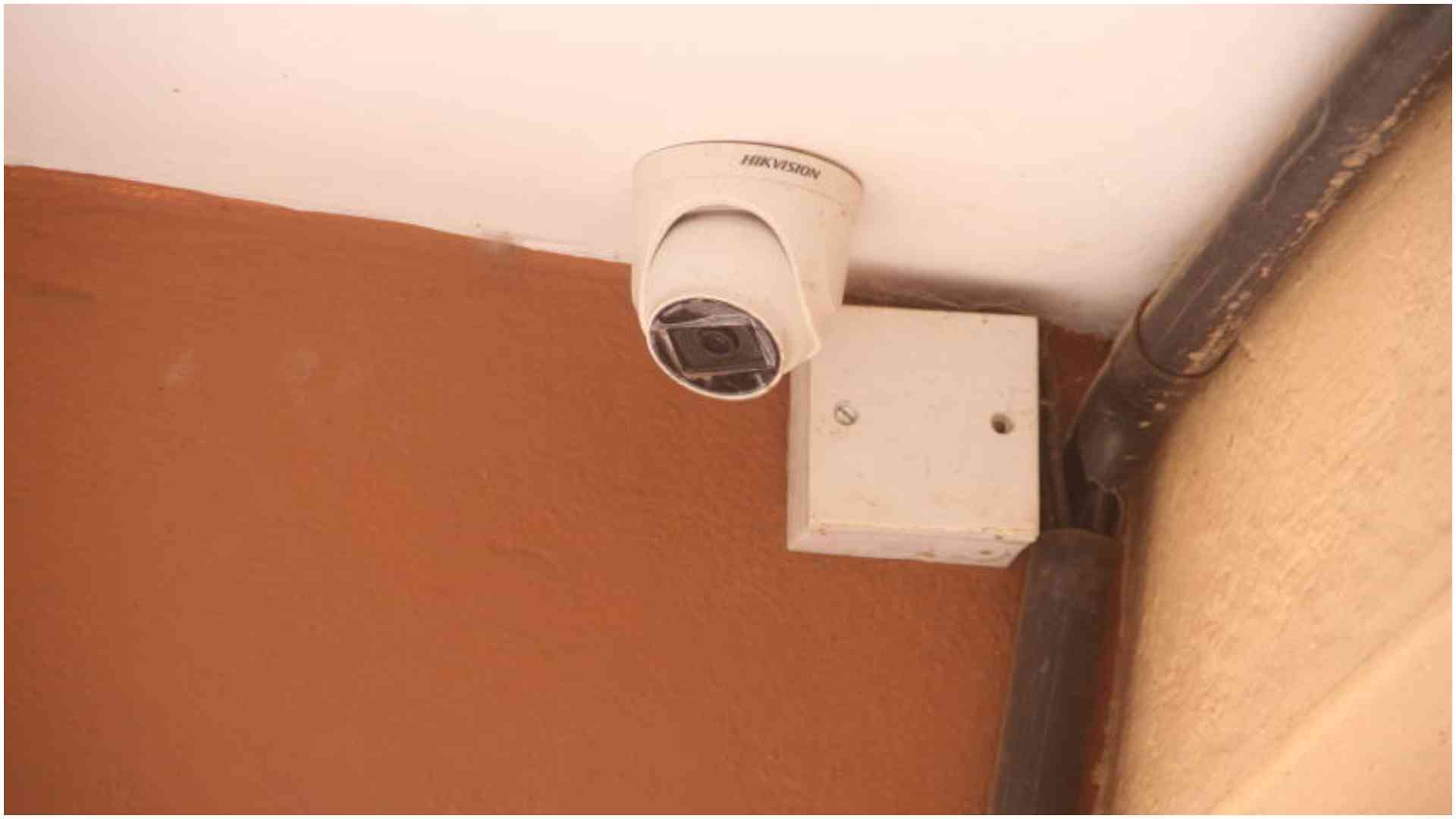
A CCTV located opposite Green house apartment located at TRM drive in Kasarani on 15th January 2024, where a lady was allegedly murdered. [Edward Kiplimo,Srandard]
Oversight
With the holiday season approaching, a time when such facilities are popular with families and revellers, the killings have dampened the festive mood. Experts warn that, unless action is taken, including regulation of these facilities, more lives could be lost.
Many people prefer Airbnbs advertised online. They are usually fully furnished and equipped with essential household items, including cooking facilities. But with the growing number of murders, these units are increasingly becoming death traps that urgently require oversight.
Following a spike in killings targeting girls and women in Airbnbs and lodgings last year, the Federation of Women Lawyers-Kenya (Fida) and university student leaders demanded action.
They urged the Government and relevant agencies to speed up investigations and take legal action against those found culpable.
“We call upon the government to strengthen and ensure full implementation of regulatory mechanisms for Airbnbs following reported murder incidents. The intervention should extend to other places where women are likely to be harmed,” Fida said in a statement.
“Some time back, the Government promised that these services would have to be registered to enable monitoring, but nothing has happened so far. People simply let a house and turn it into an Airbnb, a business that is not regulated,” says security analyst George Musamali.
“You could be living in an estate and assume the neighbour next door is a tenant, yet they are running an Airbnb. These facilities pose a security threat, and something needs to be done,” he adds.
Musamali notes that, in most cases, the property owner is absent, as bookings are made online. Some guests merely make a call and are directed where to pick up keys.
Undetected
“Even the owners do not know the kind of people they are letting the houses to. In case of anything, it becomes difficult for police to investigate because the owner cannot provide crucial leads,” he observes.
According to Patrick Mungai, another expert, those running the hotels and Airbnbs should ensure that they stick to proper security measures, including having guests thoroughly screened to deter security threats.
“If someone checking in shows some suspicious signs or is unwilling to share their details, that is enough reason to alert the authorities,” he says.
A family is Utawala is mourning the demise of their kin who was murdered in an Airbnb on December 1, 2025. The body of Mary Syombua, 20, was discovered long after the killer had escaped undetected from the apartment.
Syombua was working in a barbershop before she went missing only for her body to be recovered in an apartment within Utawala.
Alarmed by the rising number of murders, the National Authority for the Campaign Against Drugs and Substance Abuse (NACADA) has equally raised concerns over suspicious activities that take place in Airbnbs.

In a statement early this year, the authority decried that the short-stay accommodations had turned into a safe haven for partaking in drugs.
“Over the past year, multiple reports have emerged of young people having indulged in drugs in Airbnb, in some incidents leading to deadly overdose. In Nairobi, a string of such cases has raised alarm about the urgent need for firmer monitoring and regulation of short-term rental accommodations,” said NACADA Chief Executive Officer Anthony Omerikwa.
Dr Omerikwa raised the concerns against the backdrop of a report by his agency that indicated 23 per cent of young adults aged 18 to 24 years, and living in urban areas had engaged in drug use at social gatherings, with private venues such as Airbnbs accounting for a significant percentage of the cases.
The NACADA boss attributed preference of the Airbnb trend to sustained crackdowns on illicit drugs in entertainment spots and residential areas.
“This enforcement pressure has forced individuals involved in the illegal drug trade to shift their activities to seemingly discreet locations such as Airbnbs where they attempt to evade scrutiny,” Omerikwa said.
Following the shift by drug users, the authority called for concerted efforts involving all stakeholders as it encouraged Airbnb hosts and property managers to exercise due diligence by screening guests and flagging any suspicious activities, including drug-related ones, to the relevant authorities.
“NACADA remains committed to fighting drug and alcohol abuse in all forms. We are intensifying surveillance, awareness campaigns, and collaborations with the police, county governments, and private sector players to curb this emerging threat,” said Omerikwa.