



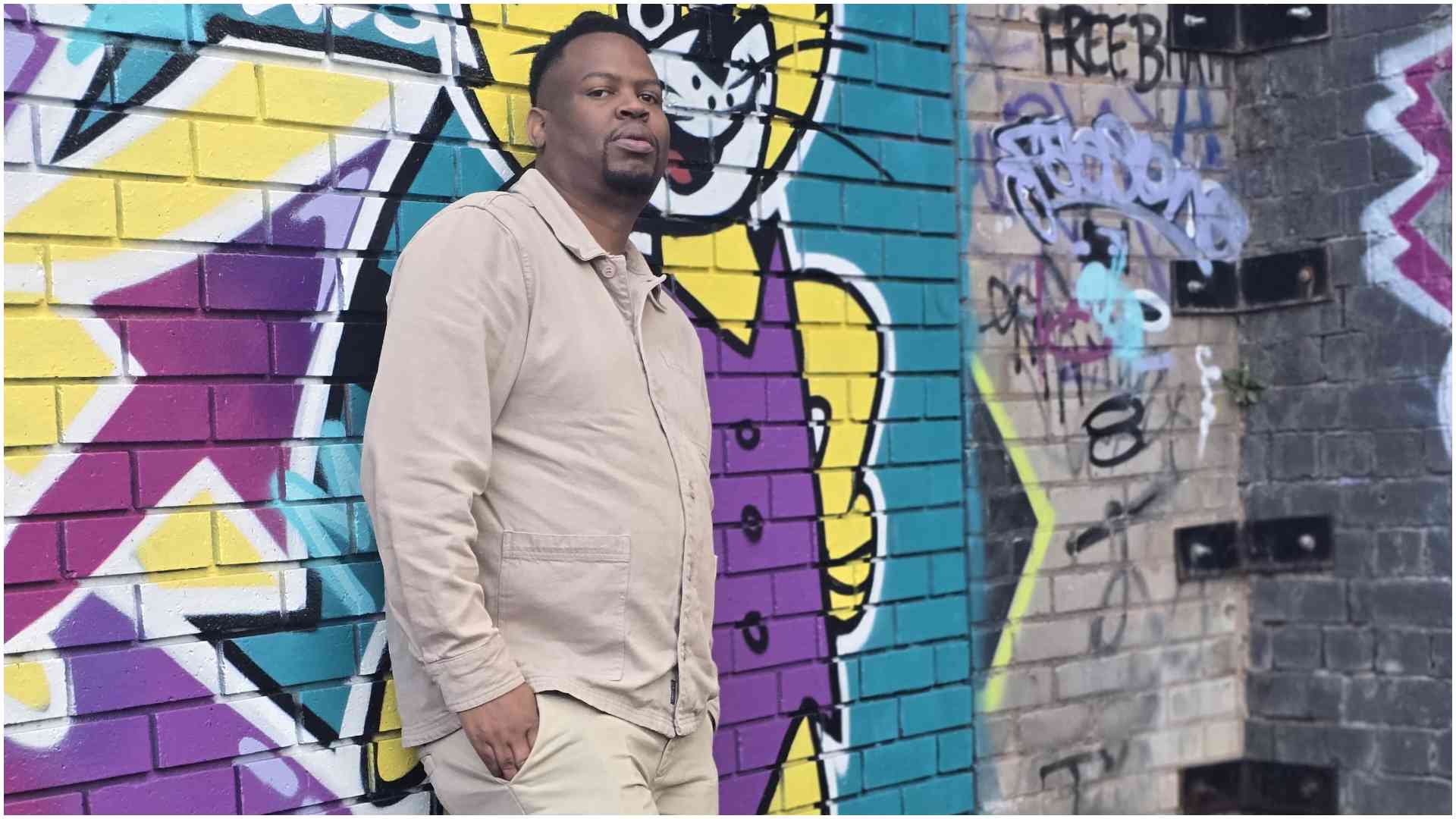
Rapper P-Tah has released his sixth EP, Maisha, a project centred on real life, personal growth and everyday experiences.
The project sees him lean into honest storytelling, delivered through a calm and grounded sound.
He says the EP has been in the making for some time, as he worked to fully express his lyrical depth and emotional range.
“I wanted to capture everyday life, growth and self-reflection through a chilled, grounded musical atmosphere,” he explains.
Maisha is produced by Kovx Wise, also known as K-Wise, whose warm and polished production complements P-Tah’s reflective style.
Together, the two have created a body of work that feels sincere and rooted, drawing from Kenyan life while remaining relatable to a broader audience.
For P-Tah, the project is about accepting life as it comes. “This project is about embracing the journey, the calm moments, the lessons and the growth that comes from just living,” he says.
He adds that the title reflects both “the highs and the lows of everyday life”, noting that life is shaped by small struggles and quiet victories over time.
One of the standout tracks on the EP is Panda Shuka, which he says best captures the spirit of the project.
“The title itself sums up life,” he says. “The song reminds people that falling is part of the journey and that there is always hope for a better day. My last verse is an affirmation that we are here to make a difference.”
K-Wise played a central role in shaping the final sound of the EP, with P-Tah describing the studio process as thorough and demanding.
“He paid attention to everything, delivery, tone and message,” he says. “Some verses had to be rewritten and recorded again before we could move on.”
According to P-Tah, the producer also selected the featured artistes, choosing voices that best suited each track. “He created the canvas for me to paint on and constantly pushed me to bring out the best version of myself.”
The EP features collaborations with Teslah, Katapilla, Lafayette Pwaguzi, Mbula and Omnivore DiCulture, each bringing a distinct touch while maintaining the project’s overall mood.
P-Tah notes that K-Wise had a clear vision for how each song should sound and how the different voices would fit together.
The writing on Maisha is shaped by lived experience.
P-Tah speaks openly about heartbreak, job losses, financial struggles, low confidence, substance abuse and the pain present in society. He also draws inspiration from moments of national unrest.
“Being home during the maandamano and witnessing the pain of my fellow citizens influenced me deeply,” he says. “I felt compelled to make music with a soothing, healing energy.”
Compared to his earlier releases, Maisha stands out for its consistency. “I’ve always experimented with different sounds, but this is the first time I’ve created a full body of work focused on one clear vibe and energy,” he explains.
The lessons from his personal journey run throughout the EP. He says he has lived every experience he raps about, including times when he felt helpless and at his lowest.
Those moments taught him that persistence eventually leads to better days, a message clearly reflected in Panda Shuka. He describes music as his therapy, saying mziki ni dawa.
The EP also tackles difficult subjects with care. On substance abuse, the songs take an honest and compassionate approach, avoiding judgement and acknowledging the complexity of addiction.
On Right One, P-Tah offers advice to a younger sibling on choosing the right partner, while Usifanye Hivyo draws from his own past relationships and highlights the importance of forgiveness.
Through the EP, he hopes listeners will connect with the music in their own way. “It’s not really about me,” he says. “I’m just a vessel. I hope the music speaks to people and helps someone along the way.”