

For years, East African documentaries lived on the margins, respected in small circles, but rarely treated as headline cultural events.
In 2025, that story has changed. Quietly, deliberately and without hype, the region’s documentary industry has come of age, and it is now commanding global attention while reshaping how local audiences see their own stories.
What makes this moment newsworthy is not just volume, but confidence.
East African documentaries are no longer arriving at international festivals as curiosities from “emerging markets”.
They are competing, and holding their own, alongside films from long-established nonfiction powerhouses.
Stories rooted in land disputes, climate justice, gender, labour and collective memory are travelling well beyond the region, signalling a shift in how African nonfiction cinema is valued.
As Docubox executive director Susan Mbogo says, global recognition is “no longer an anomaly but a growing trend”.
Closer to home, a parallel revolution is unfolding. Kenyan audiences, long assumed to have little appetite for documentaries, are showing up.
Films such as The Battle for Laikipia and How to Build a Library have sparked debate in cinemas, universities and cultural spaces, proving that local stories told with craft and honesty can pull crowds.
According to filmmaker and Docubox founder Judy Kibinge, “as more and more Kenyans begin to appreciate the world-class films being developed here, we anticipate larger audiences and a vibrant culture of filmgoing driven by curiosity, pride, and resonance.”
The entertainment angle lies in the ecosystem now supporting this shift. Documentaries are moving out of elite festival bubbles into county hubs, independent cinemas and community screenings.
Young creatives are increasingly choosing documentary filmmaking not as a fallback, but as a viable, aspirational career path.
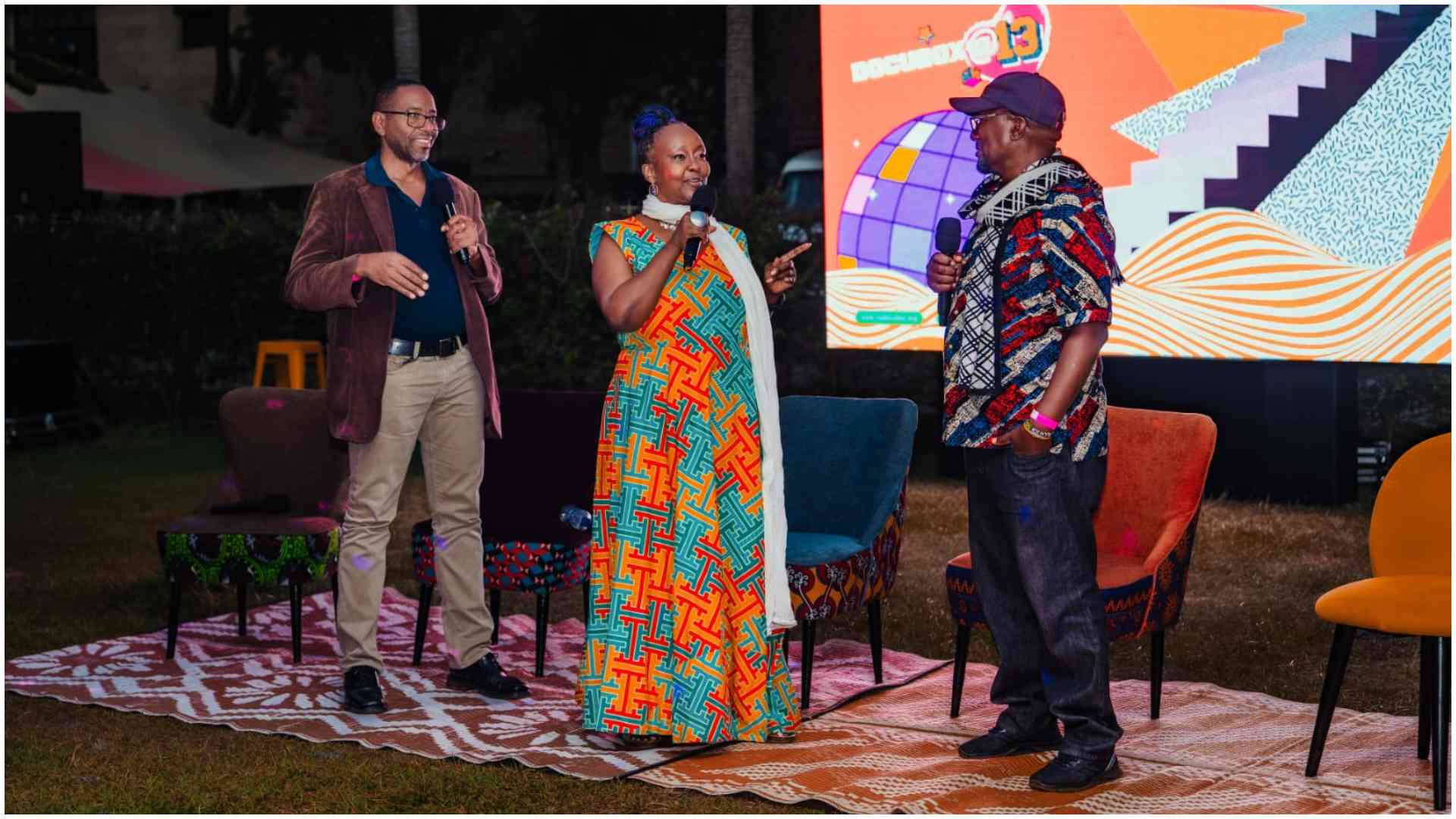
Organisations such as Docubox, founded in 2012, have played a role in nurturing this environment by supporting filmmakers and championing impact-driven storytelling alongside other regional and international partners.
What once felt fragmented is now beginning to function as a connected creative sector with continuity across generations.