

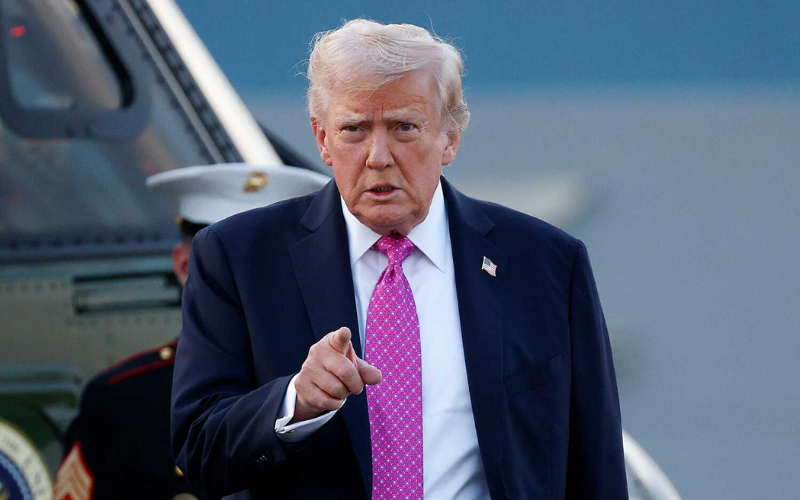
The United States has announced a sweeping suspension of immigrant visa processing for applicants from 75 countries, marking one of the most expansive immigration restrictions under President Donald Trump’s administration.
In a statement, the State Department said the move is part of a broader review of immigration procedures aimed at preventing the entry of individuals who could become dependent on public welfare systems.
“The Trump administration is bringing an end to the abuse of America’s immigration system by those who would extract wealth from the American people,” the department said.
US authorities said the suspension will take effect on January 21 and applies strictly to immigrant visas issued to individuals seeking permanent residence. The directive does not affect tourists, business travellers, students, or other short-term visa holders.
The affected countries span Latin America and the Caribbean, the Balkans, South Asia, Africa, and the Middle East.
While nationals from these countries may still submit applications, the US State Department has instructed consulates worldwide to halt the approval and issuance of immigrant visas until further notice. No timeline has been provided for when the pause may be lifted.
An exception will apply to dual nationals who travel using a valid passport from a country not included in the suspension.
The decision comes amid heightened scrutiny of US immigration policy, particularly as the country prepares to co-host the 2026 FIFA World Cup alongside Canada and Mexico. Critics argue that the tightening of visa rules sends mixed signals about America’s openness during a major global event.
The visa suspension follows a series of aggressive immigration measures introduced over the past year.
In June, the administration imposed a full travel ban on citizens from 12 countries, including Afghanistan, Haiti, Iran, Somalia, Sudan, and Yemen.
The list was later expanded to include Palestine, Syria, South Sudan, Mali, Niger, and Burkina Faso following the arrest of an Afghan national linked to the shooting of two National Guard members in Washington, DC.
By October, the White House announced the lowest refugee admissions cap in US history, limiting intake to 7,500 refugees for the 2026 fiscal year, with most slots reserved for white Afrikaners from South Africa, a move that drew widespread criticism.
The administration has also reduced foreign aid programs supporting refugees abroad and imposed tighter restrictions on skilled immigration.
In September, fees for H-1B work visas were raised sharply to Sh12,900,000 ($100,000) per application, a measure officials said was intended to protect jobs for US citizens.