

The start of a new year often feels like a turning point, a time for resolutions and fresh opportunities. Yet for many patients, and for the healthcare systems that serve them, it is also a moment when long-standing challenges come into sharper focus.
As healthcare providers, we see firsthand the barriers that prevent people from accessing the care they need. Patients contend with long waiting times, logistical obstacles, such as transport, and the financial strain of out-of-pocket costs.
For those living in under-resourced or rural areas, these difficulties are intensified by distance and a shortage of available providers. Mental health care presents another major challenge: conditions that often require urgent attention are frequently met with months-long delays or no support at all.
These realities raise a critical question: Is healthcare truly designed to meet people where they are, or does it operate largely at its own convenience?
Follow The Standard
channel
on WhatsApp
While there is no simple answer, the question forces us to reconsider the role of innovation in bridging persistent gaps. Telemedicine has emerged as one such innovation, offering timely, cost-effective, and scalable solutions.
By using technology to connect patients and providers virtually, telemedicine has reshaped care delivery, not as a replacement for in-person or specialised services, but as a complementary approach that expands access within an already strained system.
At AAR Healthcare, we have seen how telemedicine can address these challenges through initiatives, such as Dial-a-Doc. This programme demonstrates how virtual care can support patients with non-emergency health needs.
Across the country, patients have used telemedicine to connect with multidisciplinary teams, including doctors, psychologists, chronic-care nurses, and nutritionists. These platforms reduce the friction of traditional healthcare by removing the need for travel, cutting waiting times, and offering secure, timely consultations that reflect patients’ everyday realities.
Importantly, telemedicine is about more than convenience. It has the potential to address some of the deepest inequities in healthcare, particularly for people in underserved communities or those whose mobility, finances, or personal circumstances limit access to in-person care. Individuals managing chronic conditions or recovering from procedures can receive consistent medical guidance without the burden of repeated clinic visits.
Likewise, the growth of telepsychiatry has created discreet and accessible pathways for people experiencing stress, anxiety, or depression, ensuring they are not excluded by overstretched mental health services.
This shift reflects a move towards patient-centred healthcare that adapts to people rather than forcing them through rigid systems. Yet fully integrating telemedicine raises challenges around equity, digital access, and trust, as well as how virtual care complements in-person services.
Addressing these questions demands collaboration across sectors, between healthcare providers, technology partners, policymakers, and community leaders. Programmes, such as Dial-a-Doc, represent an important step in this ongoing transformation.
They are not an endpoint, but part of a larger conversation about building a healthcare system that is more flexible, more inclusive, and better prepared to meet the needs of a growing and diverse population.
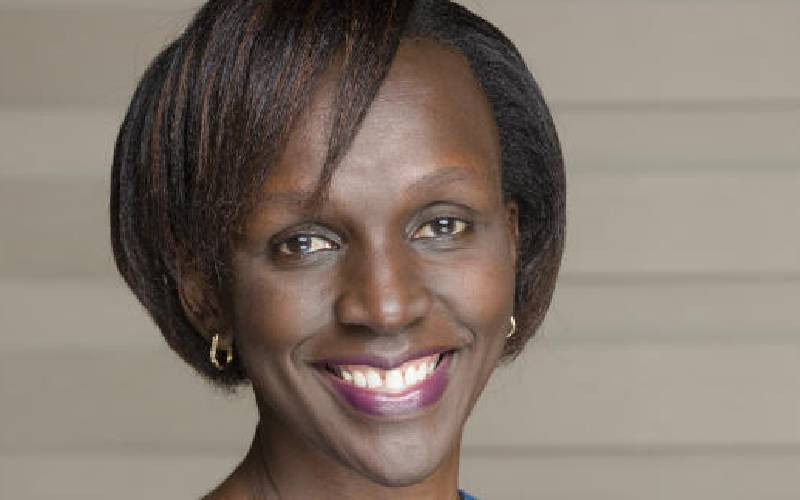
Wasunna is the General Manager at AAR Healthcare
Follow The Standard
channel
on WhatsApp
The start of a new year often feels like a turning point, a time for resolutions and fresh opportunities. Yet for many patients, and for the healthcare systems that serve them, it is also a moment when long-standing challenges come into sharper focus.
As healthcare providers, we see firsthand the barriers that prevent people from accessing the care they need. Patients contend with long waiting times, logistical obstacles, such as transport, and the financial strain of out-of-pocket costs.
For those living in under-resourced or rural areas, these difficulties are intensified by distance and a shortage of available providers. Mental health care presents another major challenge: conditions that often require urgent attention are frequently met with months-long delays or no support at all.
These realities raise a critical question: Is healthcare truly designed to meet people where they are, or does it operate largely at its own convenience?
Follow The Standard
channel
on WhatsApp
While there is no simple answer, the question forces us to reconsider the role of innovation in bridging persistent gaps. Telemedicine has emerged as one such innovation, offering timely, cost-effective, and scalable solutions.
By using technology to connect patients and providers virtually, telemedicine has reshaped care delivery, not as a replacement for in-person or specialised services, but as a complementary approach that expands access within an already strained system.
At AAR Healthcare, we have seen how telemedicine can address these challenges through initiatives, such as Dial-a-Doc. This programme demonstrates how virtual care can support patients with non-emergency health needs.
Across the country, patients have used telemedicine to connect with multidisciplinary teams, including doctors, psychologists, chronic-care nurses, and nutritionists. These platforms reduce the friction of traditional healthcare by removing the need for travel, cutting waiting times, and offering secure, timely consultations that reflect patients’ everyday realities.
Importantly, telemedicine is about more than convenience. It has the potential to address some of the deepest inequities in healthcare, particularly for people in underserved communities or those whose mobility, finances, or personal circumstances limit access to in-person care. Individuals managing chronic conditions or recovering from procedures can receive consistent medical guidance without the burden of repeated clinic visits.
Likewise, the growth of telepsychiatry has created discreet and accessible pathways for people experiencing stress, anxiety, or depression, ensuring they are not excluded by overstretched mental health services.
This shift reflects a move towards patient-centred healthcare that adapts to people rather than forcing them through rigid systems. Yet fully integrating telemedicine raises challenges around equity, digital access, and trust, as well as how virtual care complements in-person services.
Addressing these questions demands collaboration across sectors, between healthcare providers, technology partners, policymakers, and community leaders. Programmes, such as Dial-a-Doc, represent an important step in this ongoing transformation.
They are not an endpoint, but part of a larger conversation about building a healthcare system that is more flexible, more inclusive, and better prepared to meet the needs of a growing and diverse population.
Wasunna is the General Manager at AAR Healthcare
Stay informed. Subscribe to our newsletter
Follow The Standard
channel
on WhatsApp
By Elizabeth Wasunna