



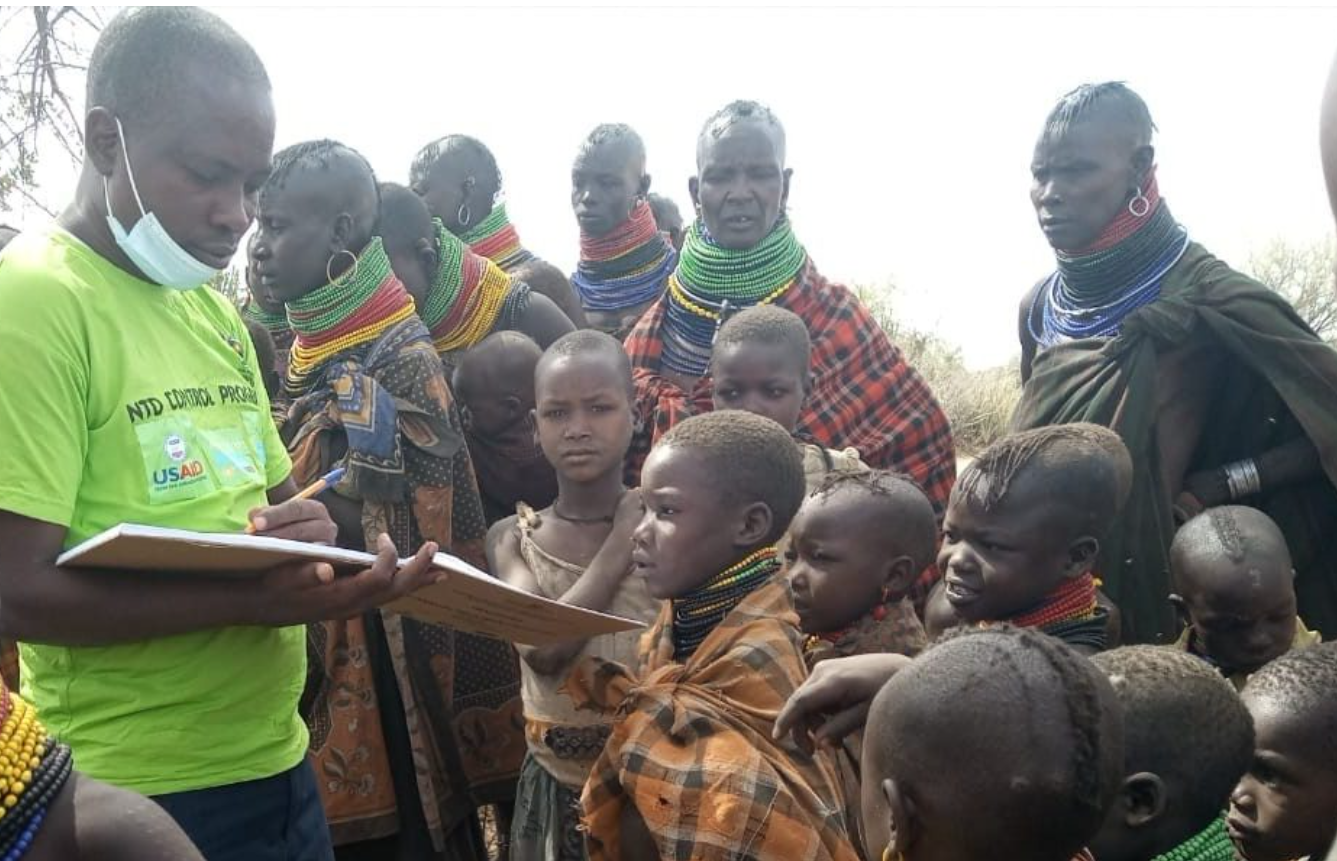
Lead author Dr Nyamai Mutono, a senior research fellow at the Centre for Epidemiological Modelling and Analysis (Cema) at the University of Nairobi and the modelling and training lead at the Africa Modelling Network for Neglected Tropical Diseases.
Researchers are urging Kenya to rethink its long-running
mass drug administration programme for intestinal worms.
They called for targeted, region-specific interventions to
replace the blanket approach that has been widely used for years to control
infectious diseases.
Mass drug administration (MDA) has been credited with major
public health gains in Kenya, including sharp reductions in diseases such as
elephantiasis, trachoma and soil-transmitted helminths.
But scientists behind a new national study say declining
funding and clear regional differences in worm infections mean the
one-size-fits-all model is no longer efficient.
Their study, published in the International Journal of Infectious Diseases, mapped the
distribution of three main intestinal worms in Kenya. These are hookworm,
whipworm and roundworm. It analysed data from 146,668 school-going children
sampled in 3,752 schools across 207 sub-counties between 2021 and 2024.
Using geostatistical modelling, the researchers found that
the burden of infection varies sharply by region and by worm species. Hookworm
prevalence was generally low, with a national mean of 0.6 per cent. However, six per cent of sub-counties, mainly in coastal areas, exceeded the two per cent threshold used to guide treatment decisions.
Whipworm infections were higher, with increased risk in
southwestern and coastal regions. Roundworm had the highest prevalence of the
three, clustering mainly in western Kenya, where some sub-counties were
estimated to have a prevalence above ten per cent.
According to the study, these patterns show that continuing
to treat all regions in the same way risks wasting scarce resources while
missing hotspots that need more intensive action.
“Intestinal worms primarily affect people living in poor, rural
communities and are known to contribute to school absenteeism, malnutrition,
and delayed developmental milestones in children. Against this realisation, and
with Kenya’s healthcare system now devolved, tailoring intervention strategies
at the sub-county level is essential to optimising partner resources and
achieving the elimination of each STH species. Targeted approaches would enable
Kenya to move away from the current blanket application of a single treatment
strategy across all sub-counties,” said Dr Nyamai Mutono, the study’s lead
author.
Dr Nyamai is a Senior Research Fellow at the Centre for
Epidemiological Modelling and Analysis (Cema) at the University of Nairobi and
the modelling and training lead at the Africa Modelling Network for Neglected
Tropical Diseases.
The study is titled, “Geostatistical modelling of soil-transmitted helminth prevalence in Kenya: Informing targeted interventions to accelerate elimination efforts.”
It estimates the probability of different regions
exceeding key prevalence thresholds of two, ten and twenty per cent. Across all
three worm species, the probability of exceeding twenty per cent remained below
0.5 per cent nationally. But for roundworm and whipworm, several western,
southwestern and coastal sub-counties showed a high likelihood of exceeding
lower thresholds that trigger more frequent or different treatment regimens.
The researchers argue that this level of detail should guide
decisions on which drugs to use, who to treat and how often treatment should be
given.
“Such precision also allows for the reallocation of
resources to areas with high-prevalence infections, while reducing treatment
intensity in regions where the likelihood of exceeding disease thresholds is
low. This promotes a more efficient use of limited resources and aligns with
the global move toward precision public health,” Dr Nyamai said.
She added that smarter targeting is also about cost-effectiveness. “Ultimately, resource targeting ensures that the most
appropriate and cost-effective treatment methods are adopted, minimising
wastage on ineffective interventions and maximising the impact of every
shilling spent on deworming programs.”
Mass drug administration has been a cornerstone of Kenya’s
fight against neglected tropical diseases for over a decade, largely through
school-based programmes using donated medicines.
The approach has helped Kenya get close to eliminating some
diseases and earn certification for eliminating Guinea worm in 2018.
However, the new study notes that blanket deworming does not
account for differences in drug effectiveness across worm species. For example,
commonly used benzimidazole drugs are less effective against whipworm, meaning
some high-burden areas may need alternative medicines or strategies.
The authors also point to Kenya’s devolved health system as
an opportunity to tailor interventions more closely to local conditions, using
high-resolution data rather than national averages.
Beyond drugs, the study stresses the importance of investing
in water, sanitation and hygiene, especially in regions where roundworm and
whipworm persist. Without these complementary measures, reinfection remains
likely even after repeated treatment rounds.
The findings come as Kenya works towards its national goal
of reducing soil-transmitted helminth prevalence to below two per cent by 2027,
in line with the World Health Organization roadmap for neglected tropical
diseases.
According to the researchers, achieving that goal will
require moving beyond blanket solutions and embracing data-driven, targeted
action that reflects the country’s diverse epidemiological landscape.