



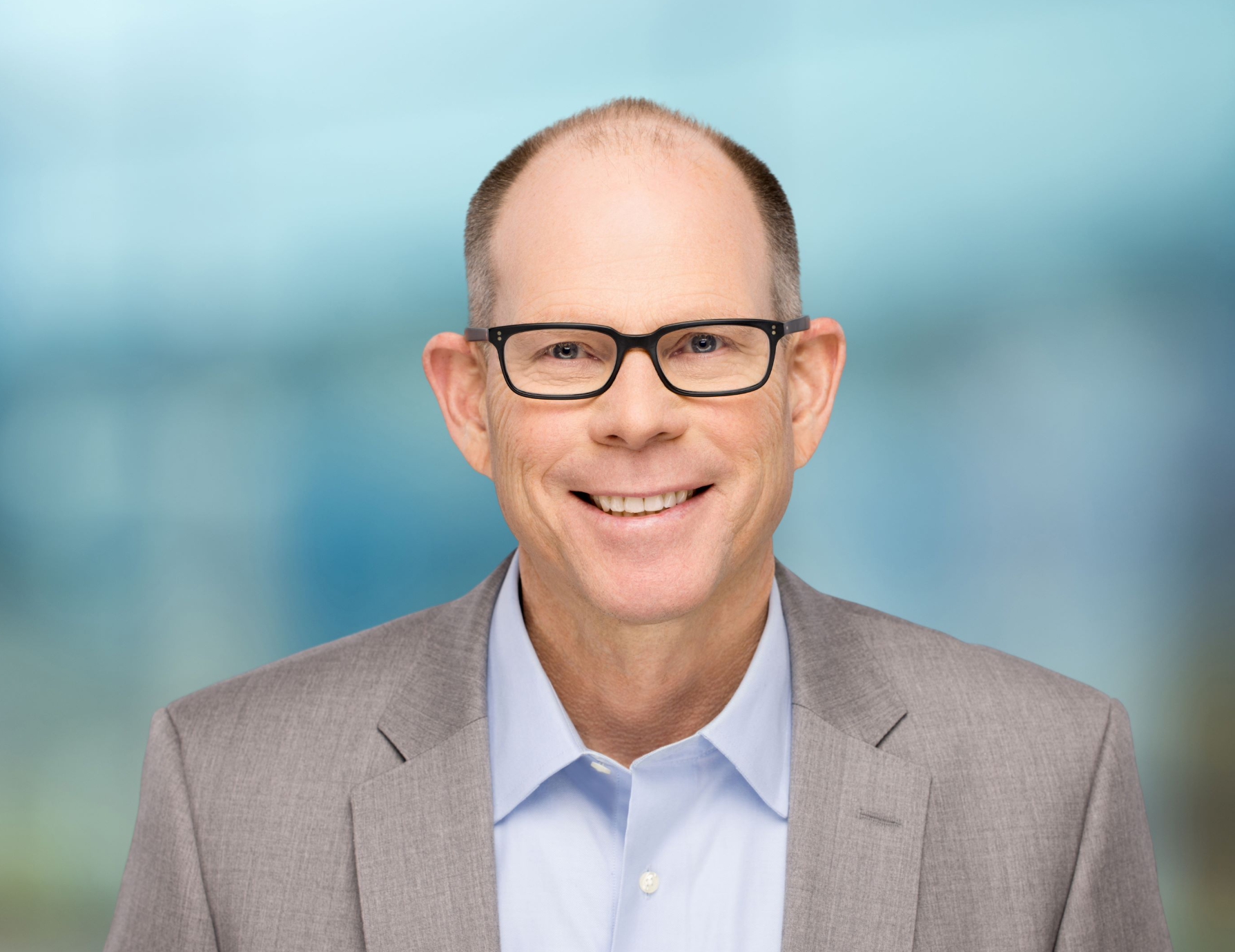
Mark Suzman, CEO of the Gates Foundation: “Some of our programs will reach their goals before 2045.
Others will graduate even sooner—because we’ve achieved what we set out to do, or because
there’s a natural opportunity to transition the work to other partners.”
Global health progress is facing its first major reversal in
a generation, but a new roadmap offers a path back to growth.
Gates Foundation CEO Mark Suzman warned in his 2026 Annual
Letter that, for the first time this century, child deaths are rising because of
falling foreign aid and high national debt.
Suzman said this setback should not be permanent, and he laid
out a plan to reclaim momentum and accelerate progress through 2045.
The letter titled “The Road to 2045” outlines a
20-year agenda to save millions of lives before the Gates Foundation completes
its mission.
“Last year, deaths from HIV, TB, and malaria rose. And in
2025—for the first time this century— it’s almost certain that more children
died than the year before,” Suzman said.
“That’s a sentence I hoped I’d never have to write. After
all, it’s not as if the world forgot how to save children’s lives. It just wasn’t prioritized. Funding and attention
went elsewhere, even though we know more about how to save lives now than at
any other time in human history.”
In Kenya, recent data showed the mortality rate for children
under five is about 28.8 deaths for every 1,000 live births. While this was
better than it was ten years ago, the progress has been slowing down.
Suzman’s letter lays out a 20-year plan for the foundation,
focused on three clear goals: ending preventable deaths among mothers and
children, ensuring the next generation grows up free from deadly infectious
diseases, and helping hundreds of millions of people escape poverty.
He stressed that the setback in child deaths is serious but
not permanent, arguing that the world already knows what works, but has failed
to direct enough money, attention, and political will toward proven solutions.
“Over the years, I’ve held fast to the conviction that
poverty is not a sad inevitability but a solvable problem—one we have a moral
obligation to take on,” he wrote.
By 2045, we believe the world can eradicate polio and malaria and bring TB and HIV under
control as manageable conditions – Mark Suzman.
The letter builds on Bill Gates’ 2025 announcement that the
foundation will spend an additional $200 billion over the next 20 years and
close its doors in 2045.
Suzman said the decision reflects confidence that the
foundation’s core mission can be achieved within a generation if efforts are
sharply focused.
At the centre of that effort are the three goals that will
guide all the foundation’s work until it closes. The first is ensuring that no
mother or child dies of a preventable cause. Suzman said geography should no
longer determine whether a woman survives childbirth or whether a child lives
past their fifth birthday.
“Over the next 20 years, we aim to help bring maternal and
child mortality rates in the global South in line with those in the global
North, so that geography no longer dictates a child’s chance of survival,” he
wrote. “Reaching that milestone will require halving child mortality again by
2045.”
He committed that the foundation would continue investing in
vaccines, nutrition, and strong primary health care systems. These are areas
where progress has already been proven possible, including in countries like
Kenya, where immunisation, maternal care, and child survival have improved but
remain uneven.
Suzman placed special emphasis on nutrition and women’s
health. He noted that malnutrition is still the underlying cause of about half
of all child deaths globally. He also highlighted a $2.5 billion commitment to
women’s health research, targeting areas such as maternal immunisation, safer
childbirth, and better diagnosis and treatment of conditions like
pre-eclampsia.
A calibrated drape that is placed under a mother during delivery. It uses measurement lines to accurately show health workers exactly how much blood she has lost, allowing them to stop dangerous bleeding before it becomes fatal.
The second goal is to ensure the next generation grows up in
a world without deadly infectious diseases. Suzman said this is ambitious, but
achievable if innovations already in development reach the people who need them
most.
“By 2045, we believe the world can eradicate polio and
malaria and bring TB and HIV under control as manageable conditions,” he said.
“I’m not saying no one will ever suffer from an infectious disease again. But the
next generation will grow up in a world that never has to face these diseases
in the profoundly unequal way it does today.”
This goal has particular relevance for Africa, where HIV,
TB, and malaria have shaped public health priorities for decades. Suzman noted
that progress against these diseases has already saved millions of lives, but
warned that funding cuts and weakened systems could undo hard-won gains.
He pointed to innovation as a key part of the solution,
including new vaccines, malaria tools, and tuberculosis research. He also
highlights the foundation’s growing investment in artificial intelligence to
strengthen health delivery, especially in places with shortages of trained
health workers.
“One game-changing tool we didn’t have at our disposal over
our first 25 years was generative AI,” Suzman said. “We believe it can
revolutionize virtually every field in which we work.”
He cited a new partnership to bring AI tools to primary
health care clinics across sub-Saharan Africa, aimed at helping health workers
manage patient care more efficiently. However, he cautioned that technology
alone is not enough and must be paired with equity, strong public institutions,
and local leadership.
The letter said that to help more people reach their full potential, the foundation will continue to focus on agriculture in
low- and middle-income countries.
The third goal focuses on poverty and prosperity. Suzman
said that while most funding will continue to go toward health, long-term
progress depends on helping people build stable livelihoods and economic
security.
“Hundreds of millions of people break free from poverty,
putting more countries on the path to prosperity,” he wrote, describing the
foundation’s vision for inclusive growth. He identified agriculture in low- and
middle-income countries as one of the most powerful drivers of poverty
reduction, alongside education.
For countries like Kenya, where millions depend on
small-scale farming, Suzman argued that investing in climate-resilient
agriculture and farmer innovation can improve food security and incomes while
strengthening national economies.
Throughout the letter, Suzman returned to the importance of
partnership. He said the foundation does not work alone and never has. “None of
the progress of the last 25 years would have been possible without our
partners,” he wrote. He said governments, communities, researchers, and health
workers all play a role in turning innovation into lasting change.