

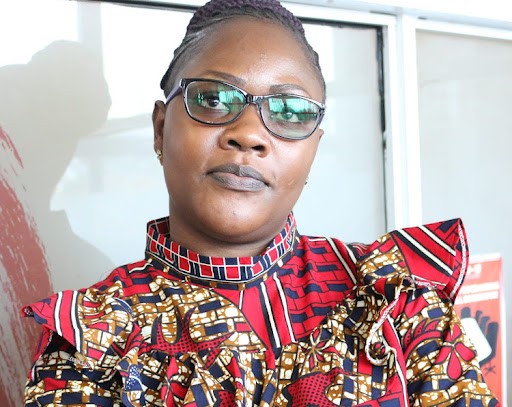
Kenyan blogger and political commentator Maverick Aoko has opened up about leaving Kenya after her arrest and release on bail, saying she feared for her safety if she stayed in the country
In a lengthy social media post, Aoko said she left Kenya immediately after securing bail, describing the move as necessary for her survival.
“After the court freed me on bail, I vamoosed. Exile direct,” she wrote, adding that she believed remaining in Kenya would have put her at serious risk.
Despite leaving the country, Aoko said she continued to maintain her residence in Nairobi and regularly returned to attend court proceedings at Milimani Law Courts until the conclusion of her case.
She recounted moving between several countries during this period, including Rwanda, Tanzania, Uganda and Namibia, describing the experience as emotionally and financially taxing.
According to Aoko, language barriers, cost of living and social isolation made prolonged stays difficult, forcing her to keep relocating.
Aoko said she deliberately limited her online presence while abroad, citing fears that publicly shared information could reveal her location.
She also described returning briefly to Nairobi ahead of the delivery of judgment in her case, around the time of the June 25, 2025, commemoration activities, which she said she participated in.
In her post, Aoko recounted a chance encounter with a stranger during this visit, which she said reinforced her sense of how deeply intertwined her case had become with broader political and security tensions in the country.
She did not provide details that could independently verify the encounter.
Reflecting on Kenya’s political climate, Aoko expressed concern about rising instability and warned that state institutions risk being overwhelmed if political actors continue to inflame tensions.
She urged those charged with safeguarding national stability to pay closer attention to public sentiment and emerging risks.
Aoko said her court case, which was heard by a magistrate’s court in Nairobi, ended in her acquittal, allowing her to speak more openly about the personal toll of the ordeal.
She concluded by warning that failure to address growing public anger could lead to wider unrest.