

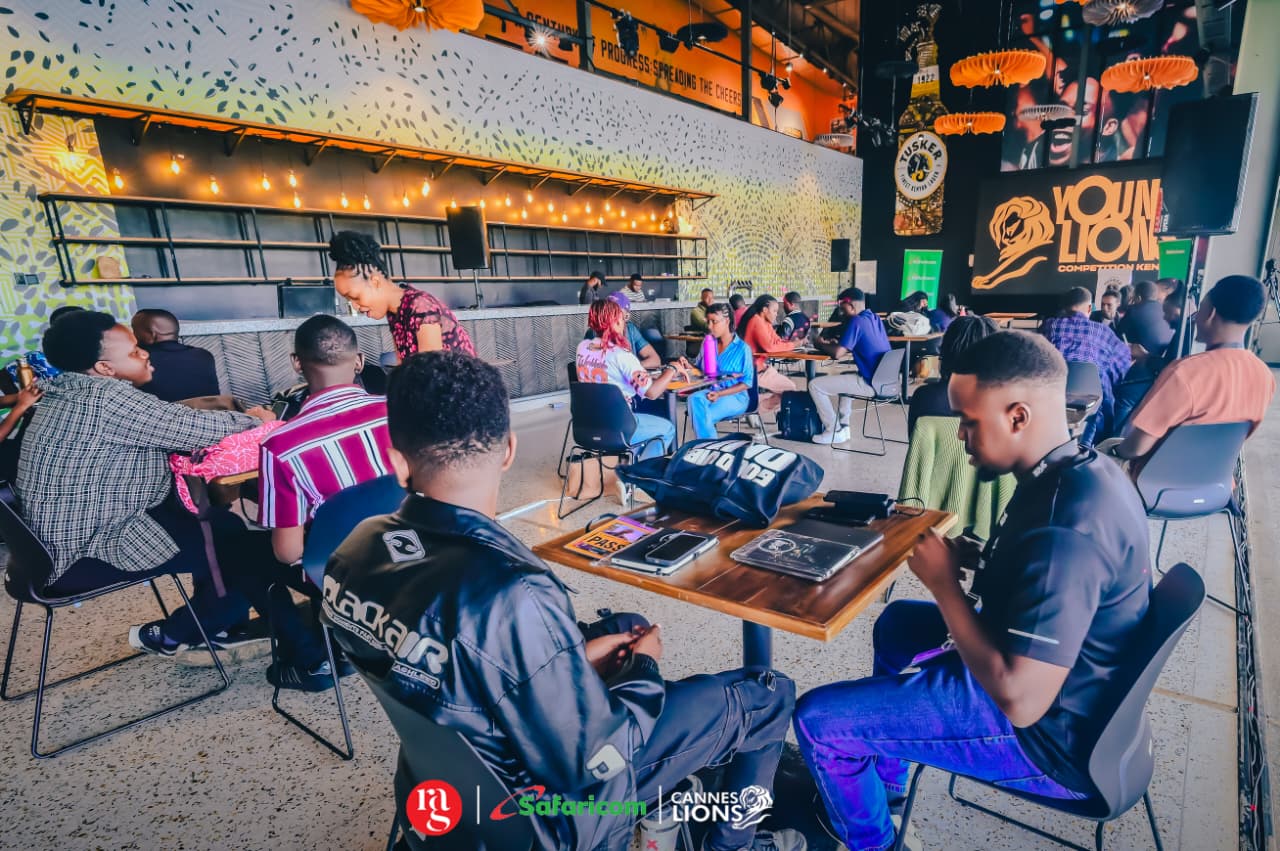
Young creatives at the Young Lions competition, second edition
Kenya’s creative industry is steadily gaining international recognition as young professionals from the country make their mark at the prestigious Cannes Young Lions Competition, now in its second edition featuring Kenyan participation.
The Cannes Young Lions Competition is a global platform that identifies and nurtures the next generation of creative talent.
Held annually alongside the Cannes Lions International Festival of Creativity in France, the competition brings together emerging creatives aged 30 and below from around the world to compete in high-pressure, real-time challenges that demand innovation, strategic thinking, and speed of execution.
Kenya’s participation in the Young Lions Competition signals a major breakthrough for the country’s advertising, design, and communications sector.
Represented by teams drawn from advertising agencies, digital firms, and independent creative studios, Kenyan competitors go head-to-head with peers from established creative markets such as the United States, the United Kingdom, Brazil, and India.
The competition tests participants on their ability to develop impactful, socially relevant campaigns within limited timeframes, often centered on global issues such as sustainability, health, and social justice.
This year’s contest is spread across several categories. Yesterday, Kenyan teams took part in the Film category, which challenged participants to craft compelling visual narratives under intense pressure.
Today, attention shifts to two additional categories: Digital and Design. These segments require creatives to conceptualise digital-first solutions and visually strong design campaigns that communicate ideas clearly, creatively, and with cultural relevance.
For Kenyan creatives, the Young Lions platform offers more than just an opportunity to win medals. It provides international exposure, access to global professional networks, and a chance to showcase African storytelling from an authentic local perspective.
Industry observers note that Kenyan teams have increasingly demonstrated originality, cultural insight, and strategic depth—qualities that are highly valued in a global creative economy seeking meaningful and purpose-driven narratives.
Kenya’s growing presence at Cannes reflects broader changes within the country’s creative ecosystem. Increased investment in digital skills, a youthful population, and the rise of independent creative hubs have fostered a confident new generation of professionals ready to compete on the world stage.
This progress has been significantly supported by Safaricom, whose sponsorship and backing of the competition have played a key role in empowering and spotlighting young Kenyan creative talent.
As Kenyan creatives continue to challenge global norms and present fresh ideas, their participation at Cannes sends a powerful message: creativity from Africa is not only relevant but globally competitive.