

Audio By Vocalize
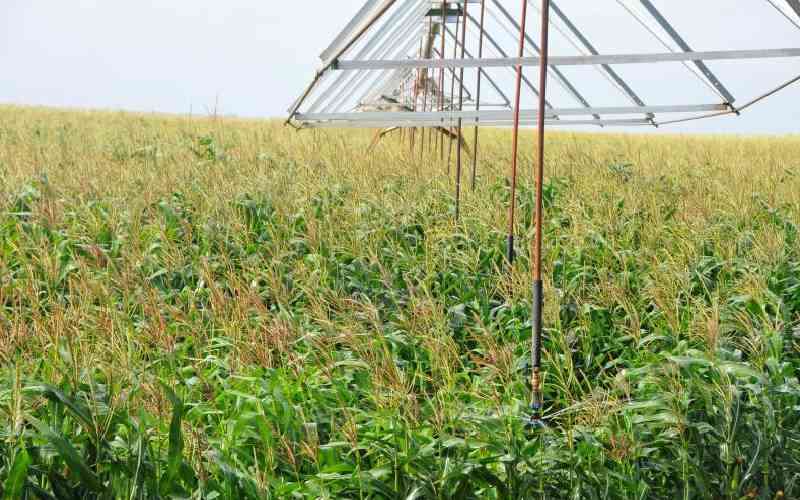
A controversy over land in Kenya’s Rift Valley has captured public imagination and ignited debates about foreign investment, sovereignty, history, and geopolitics. At the centre of the controversy is a 520-acre agricultural and residential project developed by Israeli investor Erez Rivkin in Solai, Nakuru County. It’s an expansive farm featuring greenhouses, irrigation infrastructure, food production facilities, and plans for residential plots and retreats.
In Kenya, land is not only an economic asset; it is symbolic, political, and deeply rooted in historical memory. The idea of a foreign national, particularly an Israeli, holding significant acreage sparks unease precisely because land in Kenya has long been a site of contested ownership and structural inequities from colonial settlement schemes. Critics have even invoked historical parallels: During the early 20th century, British officials offered Zionist leaders land in East Africa as a potential refuge. This plan was eventually rejected as Palestine was finally chosen by the British for geopolitical reasons, but the reality remains that Jewish settlement in East Africa would have portended the same unfortunate fate that has befallen Palestine.
Concern has also been raised about how a foreigner could have access to so much land. While Kenyan law generally restricts foreign ownership of freehold land to Kenyan entities, structures exist that allow land to be held by Kenya-registered companies with foreign shareholders, raising questions about true control. This has fueled speculation that the Solai project could become a form of extended foreign foothold with political overtones.
Online reaction to Kenyan anger over the Solai agricultural project has been polarised. On platforms such as X, Facebook, and TikTok, hashtags referencing “land grab” and “neo-colonialism” trended intermittently, reflecting anxieties about whether foreign-backed agricultural enclaves could evolve into insulated communities with long-term political implications.
In response to this anger, a noticeable counter-narrative emerged online. A number of Kenyan influencers and commentators began emphasising security concerns about migration and instability from neighbouring Somalia, arguing that Kenya’s primary threat comes not from Israeli agricultural investors but from cross-border extremism and refugee flows.
This worrying counter-narrative proves that some Kenyans are being financially incentivised to shift the conversation away from land sovereignty and toward framing Somalis as the greater national threat. The framing echoes broader global trends in digital political communication, mirroring rhetoric that has appeared in parts of Europe during debates over migration from the Middle East and North Africa. In several European political discourses over the past decade, migrants have been described not as individuals fleeing conflict but as a civilisational challenge to national identity. Online narratives in Kenya that emphasise Somali “encroachment” or existential threat draw on similar tropes, portraying Muslim populations as inherently destabilising.
The debate around the Israeli agricultural project in Kenya reflects broader anxieties about sovereignty and the influence of foreign powers on African land and politics. Kenya’s own aspirations for economic growth through technology transfer and foreign investment are real and longstanding. At the same time, past experiences with land dispossession and unequal power relations inform how such investments are perceived and contested. Parallel diplomatic actions, especially Israel’s recognition of Somaliland, have further fanned concerns that Israeli engagement in the region is part of strategic, geopolitical positioning rather than purely economic cooperation. These two actions cannot be viewed in isolation. While Kenyans continue to worry about a potential loss of sovereignty, we must also look at the actions that the Israeli government has been taking in the region. As well, we must question how these actions are relevant to the demonisation of the Somali population in the US. Nothing is coincidental.
Ultimately, while it might be too late to dispossess the Israeli investor, especially as our government seems aligned with Israeli and American interests, citizens should remain vigilant. In the same week the Israeli land ownership was revealed, Kenyans also learned that Israeli spyware was used to track and kidnap protesters in 2024.
Ms Njahira is an international lawyer
Follow The Standard
channel
on WhatsApp
A controversy over land in Kenya’s Rift Valley has captured public imagination and ignited debates about foreign investment, sovereignty, history, and geopolitics. At the centre of the controversy is a 520-acre agricultural and residential project developed by Israeli investor Erez Rivkin in Solai, Nakuru County. It’s an expansive farm featuring greenhouses, irrigation infrastructure, food production facilities, and plans for residential plots and retreats.
In Kenya, land is not only an economic asset; it is symbolic, political, and deeply rooted in historical memory. The idea of a foreign national, particularly an Israeli, holding significant acreage sparks unease precisely because land in Kenya has long been a site of contested ownership and structural inequities from colonial settlement schemes. Critics have even invoked historical parallels: During the early 20th century, British officials offered Zionist leaders land in East Africa as a potential refuge. This plan was eventually rejected as Palestine was finally chosen by the British for geopolitical reasons, but the reality remains that Jewish settlement in East Africa would have portended the same unfortunate fate that has befallen Palestine.
Concern has also been raised about how a foreigner could have access to so much land. While Kenyan law generally restricts foreign ownership of freehold land to Kenyan entities, structures exist that allow land to be held by Kenya-registered companies with foreign shareholders, raising questions about true control. This has fueled speculation that the Solai project could become a form of extended foreign foothold with political overtones.
Online reaction to Kenyan anger over the Solai agricultural project has been polarised. On platforms such as X, Facebook, and TikTok, hashtags referencing “land grab” and “neo-colonialism” trended intermittently, reflecting anxieties about whether foreign-backed agricultural enclaves could evolve into insulated communities with long-term political implications.
In response to this anger, a noticeable counter-narrative emerged online. A number of Kenyan influencers and commentators began emphasising security concerns about migration and instability from neighbouring Somalia, arguing that Kenya’s primary threat comes not from Israeli agricultural investors but from cross-border extremism and refugee flows.
This worrying counter-narrative proves that some Kenyans are being financially incentivised to shift the conversation away from land sovereignty and toward framing Somalis as the greater national threat. The framing echoes broader global trends in digital political communication, mirroring rhetoric that has appeared in parts of Europe during debates over migration from the Middle East and North Africa. In several European political discourses over the past decade, migrants have been described not as individuals fleeing conflict but as a civilisational challenge to national identity. Online narratives in Kenya that emphasise Somali “encroachment” or existential threat draw on similar tropes, portraying Muslim populations as inherently destabilising.
The debate around the Israeli agricultural project in Kenya reflects broader anxieties about sovereignty and the influence of foreign powers on African land and politics. Kenya’s own aspirations for economic growth through technology transfer and foreign investment are real and longstanding. At the same time, past experiences with land dispossession and unequal power relations inform how such investments are perceived and contested. Parallel diplomatic actions, especially Israel’s recognition of Somaliland, have further fanned concerns that Israeli engagement in the region is part of strategic, geopolitical positioning rather than purely economic cooperation. These two actions cannot be viewed in isolation. While Kenyans continue to worry about a potential loss of sovereignty, we must also look at the actions that the Israeli government has been taking in the region. As well, we must question how these actions are relevant to the demonisation of the Somali population in the US. Nothing is coincidental.
Ultimately, while it might be too late to dispossess the Israeli investor, especially as our government seems aligned with Israeli and American interests, citizens should remain vigilant. In the same week the Israeli land ownership was revealed, Kenyans also learned that Israeli spyware was used to track and kidnap protesters in 2024.
Ms Njahira is an international lawyer
Follow The Standard
channel
on WhatsApp
By Njahira Gitahi