

Audio By Vocalize
In every constitutional democracy, there comes a quiet test of character, a moment when power must decide whether it serves the crowd or the country. For Kenya, that test now circles Cabinet Secretaries (CSs). Can they, while clothed in the authority of office, descend into the arena of partisan chants and party regalia? Or must they stand apart, steady as the Constitution demands?
The architecture of the 2010 Constitution offers a clear answer. A CS is appointed by the President, yet once sworn, that oath shifts allegiance from an individual to the Republic. The oath is not whispered to party members. It is declared before the nation. It binds the office holder to all Kenyans, including those who cast their ballots for rival candidates and those who chose silence over the polling booth.
Article 10 speaks in the language of values. It invokes integrity, transparency, accountability, and the rule of law. These form the moral compass of governance. When a CS mounts a partisan platform and leads campaign slogans, the image projected is not one of a national trustee. It is the image of a political combatant. The distance between those two roles is wide.
The design of our executive reinforces this distinction. The Constitution deliberately separated Parliament from the Cabinet. Ministers who once doubled as legislators were replaced with technocratic secretaries, vetted and approved to manage dockets with a professional focus. That shift sought to tame the excesses of patronage and political theatre within executive offices. It sought to cultivate competence and neutrality.
Trust falters
A CS, therefore, inhabits a delicate space. They may have been a politician yesterday. However, upon assuming office, the identity must evolve. The authority exercised is not partisan capital. It is public trust. Article 73 declares that the authority assigned to a State officer is a trust to be exercised in a manner that demonstrates respect for the people and brings honour to the nation. Trust falters where impartiality gives way to political garb.
Supporters of active partisan engagement often invoke political rights. Article 38 secures the freedom of every citizen to make political choices and to participate in political activities. That right is precious. It was won through struggle. It must be guarded. CSs should, however, appreciate that constitutional rights coexist with constitutional duties. Certain offices demand restraint, which is a reasonable limitation to protect the sanctity of their offices. Judges do not campaign on top of vehicles as legislators do. Members of independent commissions do not headline rallies. Their silence protects the legitimacy of their institutions.
The same reasoning shadows the Cabinet. A Secretary who stands before a charged crowd and declares allegiance to a party risks sending a troubling message to civil servants below and citizens beyond. It suggests that access to public resources may be coloured by political loyalty. It breeds suspicion that services could tilt toward strongholds and away from dissenting regions. Even where no such bias exists, perception alone can corrode confidence.
Government must serve both those who cheered its victory and those who mourned its ascent. Roads do not ask how one voted before they are paved. Hospitals do not triage patients by party card. Agricultural subsidies must reach farmers across the political divide. When a CS becomes the visible face of partisan mobilisation, the promise of equal service dims. The office begins to look like an extension of the campaign secretariat.
Section 23 of the Leadership and Integrity Act has been cited as shelter for political engagement. It exempts CSs from restrictions placed upon other public officers. We know by now that statutes breathe within the larger body of the Constitution. Where tension arises, constitutional principles prevail. The spirit of Chapter Six sets a high threshold for conduct. It envisions leaders who embody dignity and selflessness. Loud partisanship sits uneasily beside that vision.
The Supreme Court, in the aftermath of the 2017 presidential election, declined to pronounce itself on the constitutionality of that section. The issue had not been pleaded with precision. The respondents lacked an opportunity to defend the provision in full. The court exercised restraint. Still, it hinted at discomfort with the apparent conflict between the statutory permission and constitutional impartiality. That hint was a lantern left burning for future litigants.
Beyond the semantics of law lies a deeper democratic ethic. Constitutional morality demands that those entrusted with executive power resist the intoxication of the party drumbeat. The Cabinet table is where policy for the entire nation is shaped. It is where competing needs are balanced and scarce resources allocated. Decisions taken there must be insulated from the heat of factional rivalry. The country is too fragile for governance that swings with every rally chant.
History teaches that when public offices blur into party outposts, institutions weaken. Citizens retreat into ethnic and partisan enclaves, convinced that the state belongs to others. The social contract frays. Kenya’s constitutional moment in 2010 sought to mend that fabric. It asked leaders to rise above narrow loyalties and to steward the common good.
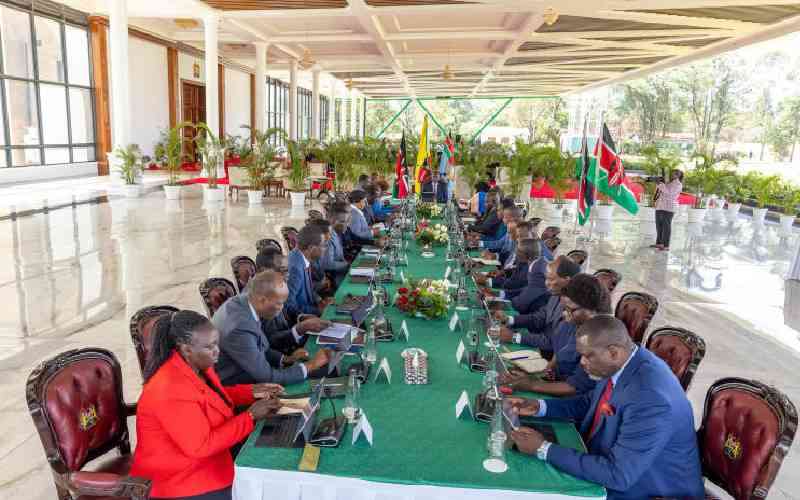
CSs hold influential dockets. Their words carry the weight of government. Their presence at political events is not casual. It signals endorsement, mobilises supporters, and shapes narratives. Such influence must be exercised with caution. Whereas personal political ambitions can wait, the nation’s cohesion cannot.
Follow The Standard
channel
on WhatsApp
In every constitutional democracy, there comes a quiet test of character, a moment when power must decide whether it serves the crowd or the country. For Kenya, that test now circles Cabinet Secretaries (CSs). Can they, while clothed in the authority of office, descend into the arena of partisan chants and party regalia? Or must they stand apart, steady as the Constitution demands?
The architecture of the 2010 Constitution offers a clear answer. A CS is appointed by the President, yet once sworn, that oath shifts allegiance from an individual to the Republic. The oath is not whispered to party members. It is declared before the nation. It binds the office holder to all Kenyans, including those who cast their ballots for rival candidates and those who chose silence over the polling booth.
Article 10 speaks in the language of values. It invokes integrity, transparency, accountability, and the rule of law. These form the moral compass of governance. When a CS mounts a partisan platform and leads campaign slogans, the image projected is not one of a national trustee. It is the image of a political combatant. The distance between those two roles is wide.
The design of our executive reinforces this distinction. The Constitution deliberately separated Parliament from the Cabinet. Ministers who once doubled as legislators were replaced with technocratic secretaries, vetted and approved to manage dockets with a professional focus. That shift sought to tame the excesses of patronage and political theatre within executive offices. It sought to cultivate competence and neutrality.
Trust falters
A CS, therefore, inhabits a delicate space. They may have been a politician yesterday. However, upon assuming office, the identity must evolve. The authority exercised is not partisan capital. It is public trust. Article 73 declares that the authority assigned to a State officer is a trust to be exercised in a manner that demonstrates respect for the people and brings honour to the nation. Trust falters where impartiality gives way to political garb.
Supporters of active partisan engagement often invoke political rights. Article 38 secures the freedom of every citizen to make political choices and to participate in political activities. That right is precious. It was won through struggle. It must be guarded. CSs should, however, appreciate that constitutional rights coexist with constitutional duties. Certain offices demand restraint, which is a reasonable limitation to protect the sanctity of their offices. Judges do not campaign on top of vehicles as legislators do. Members of independent commissions do not headline rallies. Their silence protects the legitimacy of their institutions.
The same reasoning shadows the Cabinet. A Secretary who stands before a charged crowd and declares allegiance to a party risks sending a troubling message to civil servants below and citizens beyond. It suggests that access to public resources may be coloured by political loyalty. It breeds suspicion that services could tilt toward strongholds and away from dissenting regions. Even where no such bias exists, perception alone can corrode confidence.
Government must serve both those who cheered its victory and those who mourned its ascent. Roads do not ask how one voted before they are paved. Hospitals do not triage patients by party card. Agricultural subsidies must reach farmers across the political divide. When a CS becomes the visible face of partisan mobilisation, the promise of equal service dims. The office begins to look like an extension of the campaign secretariat.
Section 23 of the Leadership and Integrity Act has been cited as shelter for political engagement. It exempts CSs from restrictions placed upon other public officers. We know by now that statutes breathe within the larger body of the Constitution. Where tension arises, constitutional principles prevail. The spirit of Chapter Six sets a high threshold for conduct. It envisions leaders who embody dignity and selflessness. Loud partisanship sits uneasily beside that vision.
The Supreme Court, in the aftermath of the 2017 presidential election, declined to pronounce itself on the constitutionality of that section. The issue had not been pleaded with precision. The respondents lacked an opportunity to defend the provision in full. The court exercised restraint. Still, it hinted at discomfort with the apparent conflict between the statutory permission and constitutional impartiality. That hint was a lantern left burning for future litigants.
Beyond the semantics of law lies a deeper democratic ethic. Constitutional morality demands that those entrusted with executive power resist the intoxication of the party drumbeat. The Cabinet table is where policy for the entire nation is shaped. It is where competing needs are balanced and scarce resources allocated. Decisions taken there must be insulated from the heat of factional rivalry. The country is too fragile for governance that swings with every rally chant.
History teaches that when public offices blur into party outposts, institutions weaken. Citizens retreat into ethnic and partisan enclaves, convinced that the state belongs to others. The social contract frays. Kenya’s constitutional moment in 2010 sought to mend that fabric. It asked leaders to rise above narrow loyalties and to steward the common good.
CSs hold influential dockets. Their words carry the weight of government. Their presence at political events is not casual. It signals endorsement, mobilises supporters, and shapes narratives. Such influence must be exercised with caution. Whereas personal political ambitions can wait, the nation’s cohesion cannot.
Stay informed. Subscribe to our newsletter
Follow The Standard
channel
on WhatsApp
By Ndong Evance