

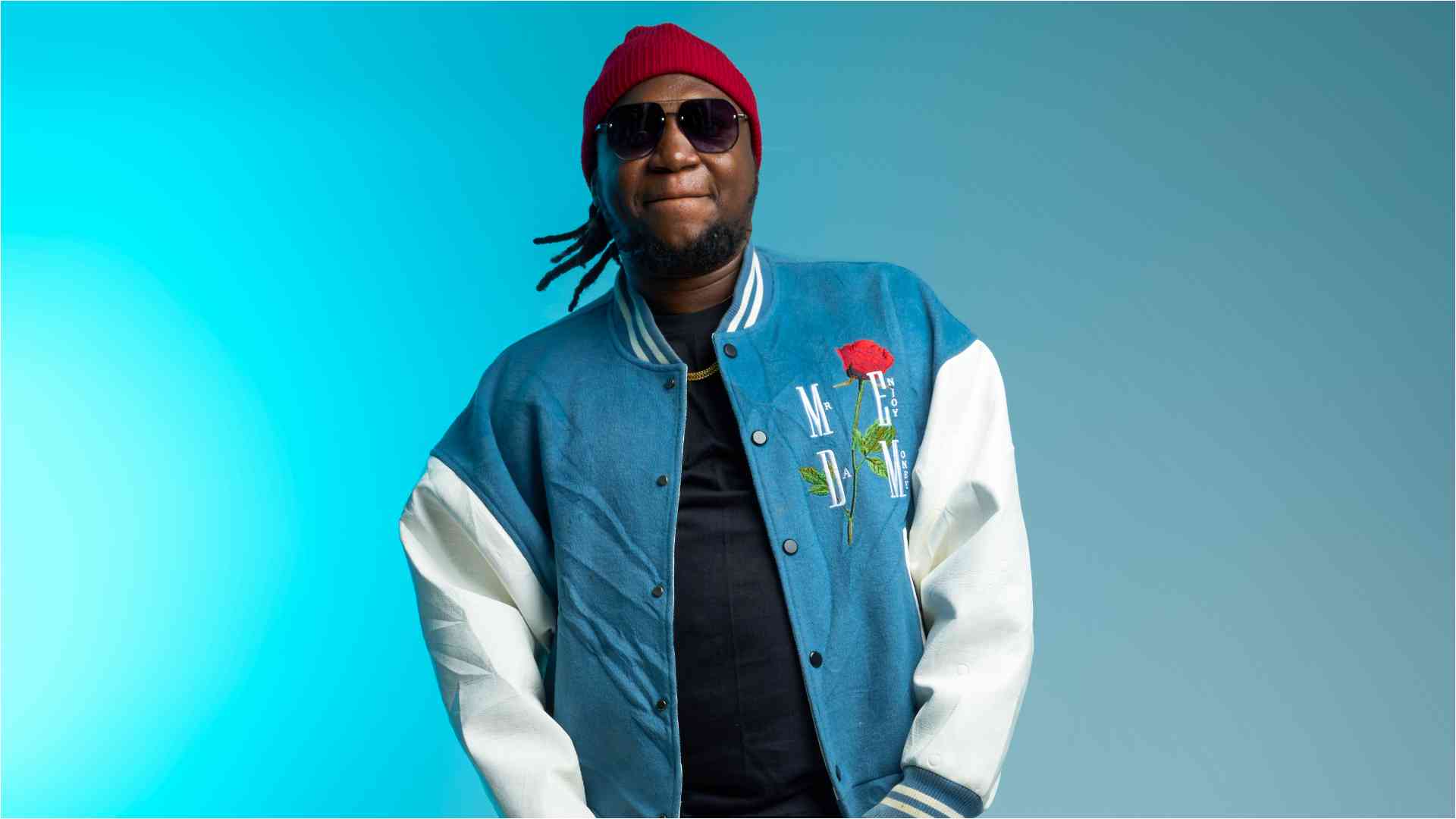
The ongoing lyrical tension between Toxic LyriKali and Buruklyn Boyz has ignited debate in Kenya’s hip-hop scene. It is dividing fans, dominating online conversations and placing local rap culture back in the spotlight.
But from behind the mixing console, ABH views the moment through a different artistic lens, not as chaos, but evolution.
“As a producer watching this unfold, I actually see this tension as a healthy development for Kenyan hip hop,” he says. He approaches artistic rivalry analytically.
“Conflict isn’t always negative. Friction creates movement. What excites me most is how invested audiences have become the debates, divided loyalties and commentary. That level of engagement that has spanned East Africa’s hip hop scene shows the culture is alive and places Kenya at the forefront of our musical landscape.”
He says the impact stretches beyond the artistes involved.
“When local artistes generate this much heat, foreign music struggles to dominate our airwaves the way it once did. That’s Kenyan music claiming its space,” he explains, adding a note of caution.
“My only hope is that this remains lyrical and I’m deeply saddened by the attack on Toxic at Kiamaiko to the extent of vandalising his car. Let the bars do the talking and the beats carry the weight. When managed well, tension builds rather than breaks.”
Hip-hop rivalries have historically pushed artistes to rediscover their competitive edge. “There’s no question, beef elevates craft,” he says.
“Buruklyn Boyz have played a massive role in shaping Kenya’s drill movement, but in all honesty, their collective momentum had slowed (down). Then this clash happens and suddenly the hunger returns. The spotlight comes back and artistes start digging deeper again.”
As Toxic’s producer, his proximity to the situation places him at the centre of things, yet his philosophy remains measured.
“I’ve worked with many artistes over the years but Toxic’s level of creativity, word play and how fast he creates a hit song is on another level. He is undoubtedly one of the best talents we have right now. The way we approach ideas during our brainstorming sessions to the execution. People know I’m Toxic’s producer so naturally the question comes up, would I produce a diss track? Probably not,” he says.
“My role has always been about building rather than burning.”
Having worked across competing creative camps and corporate brands, he believes professionalism sometimes means restraint.
“You can add value without adding fuel to the fire. My doors remain open to everyone. If Buruklyn Boyz or any artiste wants to create something that moves the culture forward beyond beef, I’d gladly work with them. Beef might sell tickets, but music builds legacies.”
To him, Kenyan hip-hop is entering one of its most competitive eras yet.
Having witnessed earlier rivalries, including projects linked to Shrap Gang Mafia under executive producer Khaligraph Jones, he says today’s moment feels more participatory than ever.
“Fans are no longer spectators; they’re shaping the narrative. Artistes are writing sharper, producers are crafting harder beats, and the quality bar keeps rising. Look at the legacy Khali, Wakadinali, King Kaka are creating”
A self-taught keyboard player, he secured an internship at Calif Records under producer Clemo. The experience exposed him to the professional mechanics of hitmaking, later complemented by teaching digital audio at Shang Tao Media.
His breakthrough came in back when he produced Kizo B’s hit Ulinibipu. “I literally fumbled into my first radio hit,” he recalls with a laugh. “I started working with various artists including Pilipili of Chili inc at the time.That song opened doors I didn’t even know existed.”
He credits mentors such as the late Bruce Odhiambo for broadening his understanding of music as both art and business, alongside engineer Desmond Bosire, who refined his technical precision.
Early encouragement also shaped his ambition, inspiring the name ABH, Another Brayo Hit, a personal mantra symbolising excellence. “I’ve now worked on commercial jingles, social impact campaigns where the goal is to capture a brand’s essence in just a few seconds.”
Today, his résumé spans social impact campaigns, film scoring and commercial jingles, alongside major studio work including engineering contributions to SautinSol’s Live and Die in Afrika, an experience he describes as transformative. “It taught me how to make music carry emotion.”