

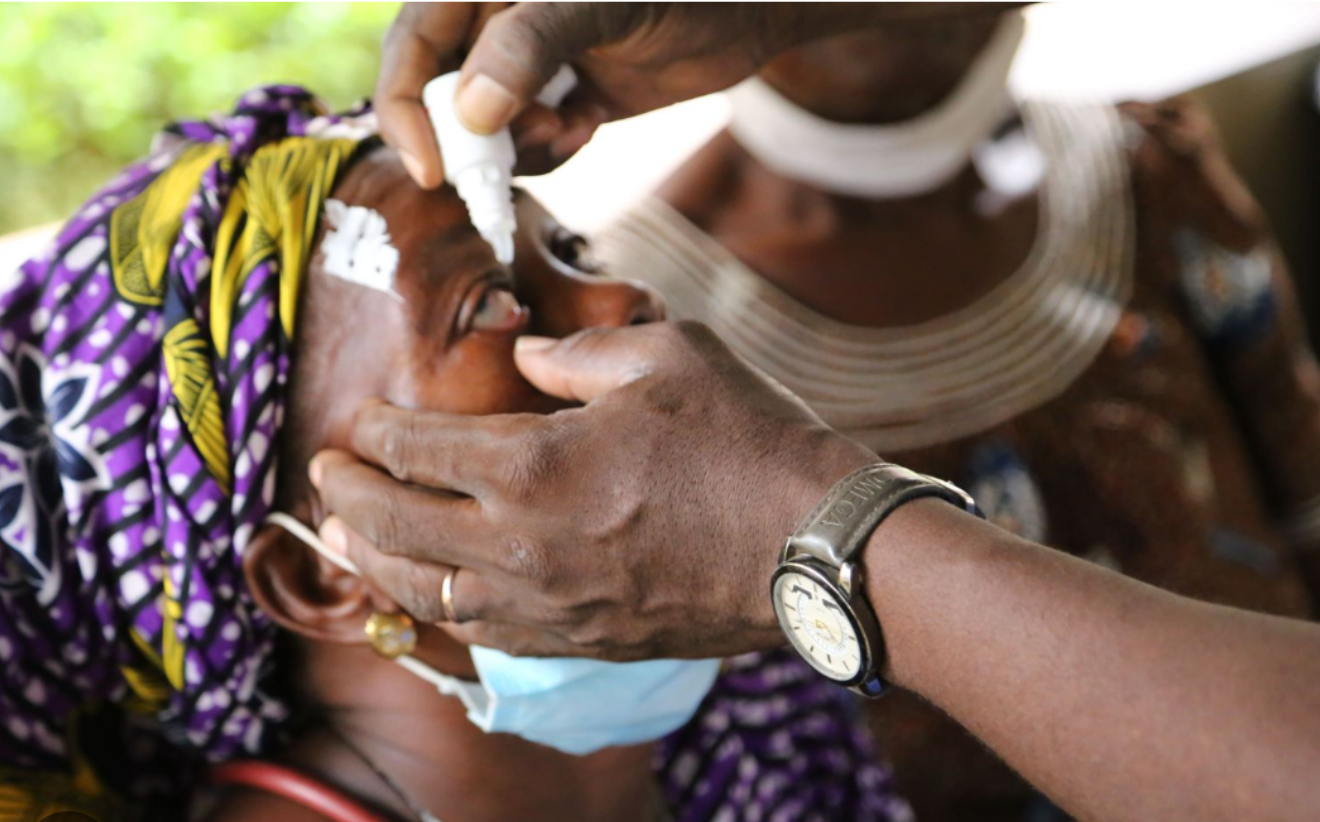
Eye Care.Eight African startups, three of them from Kenya, have been
selected to participate in what organisers describe as the world’s first
accelerator focused on eye health innovation.
The Africa Eye Health Accelerator initiative has been launched by international development organisation The Fred Hollows Foundation, in partnership with Nairobi-based Villgro Africa. It aims to support
new technologies and business models to expand access to eye care
across the continent.
The programme targets innovations that can address major
bottlenecks in the sector, particularly workforce shortages and gaps in service
delivery.
Organisers say the accelerator is seeking solutions such as
artificial intelligence-assisted screening tools, low-cost portable diagnostic
services and community-based screening technologies that bring eye care closer
to where people live.
More than 300 applications were reviewed before eight
companies were selected for the first cohort.
The startups are Zuri Health, Dot Glasses and Mamy Eyewear
from Kenya; Techsight from Liberia; Wazi Vision and Sante Initiative from
Uganda; ZimSmart Villages from Zimbabwe; and New Online Optics from Ethiopia.
The selected companies represent a range of approaches aimed
at making eye care more accessible and affordable. Some are developing portable
diagnostic kits and mobile screening services, while others are using digital
platforms, artificial intelligence and local manufacturing to deliver low-cost
eyeglasses and vision testing.
According to The Fred Hollows Foundation, the need for new
solutions is urgent.
In sub-Saharan Africa, at least 111 million people are
living with a vision impairment that could have been prevented or treated.
Without urgent intervention, the number could more than double to 266 million.
The Foundation’s chief executive officer, Ross Piper, said
innovative initiatives such as the accelerator are needed to reshape the future
of eye care on the continent.
“To end avoidable blindness, we need more than a
business-as-usual approach. We need urgent action to unlock new investment from the
private sector,” Piper said.
“Investing in the Accelerator will help us co-create the
future of eye health across Africa and ensure more children can stay in school
and more working-age adults can work.”
Research by The Fred Hollows Foundation, the International
Agency for the Prevention of Blindness and the Seva Foundation shows that eye
health interventions deliver significant economic returns.
The Value of Vision report found that every dollar invested
in eye health generates a return of about $28.
“We know that investing in eye health unlocks more
opportunities in education, drives job creation and economic development and
allows people to live longer and be valued in their communities,” Piper said.
Ending avoidable blindness also results in fewer road
accidents, fewer people living with depression and relieves people from unpaid
caregiving duties.
“It’s clear evidence that investing in eye health can
transform lives,” he said.
“We know what’s needed to make an impact on a global scale –
the solutions are in reach, but we can’t tackle the avoidable blindness crisis
alone.
“By accelerating innovative solutions in eye health, we will
be at the forefront of potentially transformative technologies to increase
access, efficiency and quality of eye health care.”