

Audio By Vocalize
Kenya stands at an important moment in its clean energy transition. From innovations such as ethanol cooking fuel to electric motorcycles, households continue to change their way of cooking just as riders are changing the way they earn a living. But as recent developments have shown, innovation alone is not enough. Market structure matters.
The exit of KOKO’s ethanol fuel model from the Kenyan market has sparked renewed debate. While public reports indicate that regulatory challenges, including issues around carbon credit licensing, contributed to its departure, there is a broader structural lesson about dependency and market concentration.
The ethanol model was built around centralised supply and distribution. One company controlled sourcing, dispensing infrastructure, and pricing. While this vertical integration enabled rapid rollout, it also meant consumers relied on a single network. When supply tightened or prices shifted, alternatives were limited. The model’s efficiency came with vulnerability.
One may reasonably ask: What if fuel distribution had been opened to multiple licensed partners rather than concentrated under one provider? The company might have focused primarily on manufacturing and after-sales support of its stoves, while independent distributors handled fuel supply. Such a structure could have diversified risk and reduced systemic fragility.
Today, many households still own ethanol stoves and containers that were designed around that ecosystem. The appliances themselves remain functional, but access to fuel has shifted. The experience illustrates how tightly integrated systems can leave consumers exposed when the central supply chain changes.
Kenya’s electric mobility sector now faces a comparable structural question. Battery-swapping systems have gained traction because they lower upfront motorcycle costs. By separating battery ownership from motorcycle ownership, companies reduce the initial purchase price for riders. In a price-sensitive market, this can accelerate adoption.
However, the model also centralises control over energy access. When batteries remain company-owned, riders depend on the availability, pricing, and operational stability of a specific network. If swapping fees rise due to operational costs, riders have limited bargaining power. If stations experience outages or battery shortages, mobility can be disrupted.
A further question arises: What happens if a proprietary swapping network ceases operations or significantly scales down? Riders who purchased motorcycles tied exclusively to that network could face uncertainty over how to access compatible batteries. Unlike petrol motorcycles, where fuel is widely available across competing stations, proprietary battery ecosystems limit alternatives. In practical terms, it risks resembling a vehicle that cannot function independently of a single supplier’s infrastructure.
This does not mean that swapping models cannot work. In dense urban areas, centralised infrastructure can improve efficiency and reduce downtime. But long-term resilience depends on how open and interoperable the ecosystem becomes.
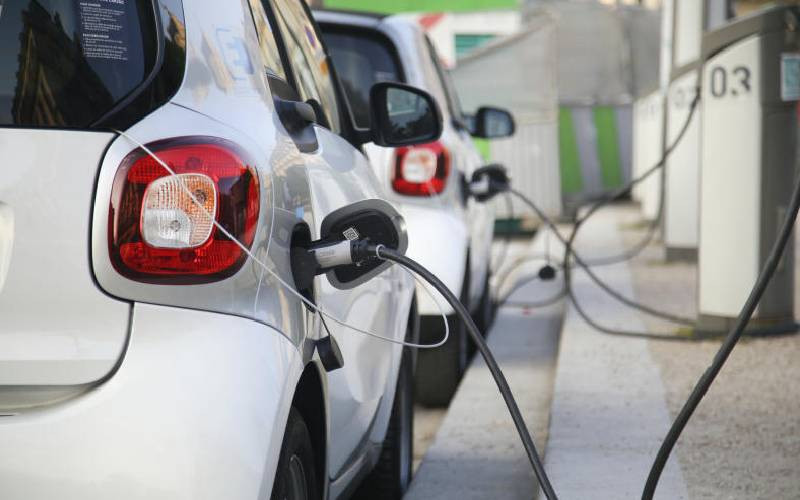
Ownership-based approaches offer a different pathway. When riders own both the motorcycle, battery, and charger, they are not tied to a specific charging network. Charging can happen wherever electricity is available: At home, at work, or through solar installations in rural areas.
Kenya’s expanding grid coverage makes distributed charging increasingly viable. Some manufacturers operating in Kenya have adopted this ownership structure while still providing optional charging hubs for convenience rather than necessity. This hybrid approach attempts to combine autonomy with operational flexibility.
The policy question is not which company wins. It is how Kenya designs an electric mobility ecosystem that can scale nationally without creating structural dependency. Centralised systems require heavy capital investment in infrastructure and logistics. Scaling into lower-density or rural areas can be slower because expansion depends on station deployment.
Distributed ownership models scale differently; growth follows electricity access rather than infrastructure build-out. Kenya’s fuel sector offers a useful comparison. Multiple suppliers operate within shared standards. Consumers choose where to refuel. Competition, rather than exclusivity, underpins resilience.
In electric mobility, however, infrastructure remains the central investment question. While investor interest in Africa’s EV market is growing, charging and battery infrastructure require significant upfront capital. How that infrastructure is structured, whether through centralised, proprietary networks or more open, distributed systems, will determine how quickly and sustainably the sector expands.
As Kenya accelerates its EV transition, policymakers and investors must consider three key principles. First, interoperability. Systems should move toward shared standards that prevent market lock-in.
Second, consumer protection. Pricing transparency and fair access mechanisms are essential where infrastructure is centralised. Third, resilience. The ecosystem must be able to withstand regulatory shifts, capital cycles, and operational disruptions without collapsing entire user bases.
The recent developments in the clean cooking sector demonstrate how quickly centralised systems can be destabilised by regulatory or market shifts. Electric mobility can avoid similar risks by encouraging openness and diversified participation from the outset.
Kenya’s transition to electric transport is not simply a technological shift. It is a structural one. The long-term success of the sector will depend less on whether batteries are swapped or owned, and more on whether the ecosystem is designed around flexibility, competition, and shared growth.
If resilience and inclusion are the goals, the conversation must move beyond business models and toward market architecture. That is where the future of electric mobility will ultimately be decided.
Support Independent Journalism
Stand With Bold Journalism.
Stand With The Standard.
Continue
→
Pay via
Secure Payment
Kenya’s most trusted newsroom since 1902
Follow The Standard
channel
on WhatsApp
Kenya stands at an important moment in its clean energy transition. From innovations such as ethanol cooking fuel to electric motorcycles, households continue to change their way of cooking just as riders are changing the way they earn a living. But as recent developments have shown, innovation alone is not enough. Market structure matters.
The exit of KOKO’s ethanol fuel model from the Kenyan market has sparked renewed debate. While public reports indicate that regulatory challenges, including issues around carbon credit licensing, contributed to its departure, there is a broader structural lesson about dependency and market concentration.
The ethanol model was built around centralised supply and distribution. One company controlled sourcing, dispensing infrastructure, and pricing. While this vertical integration enabled rapid rollout, it also meant consumers relied on a single network. When supply tightened or prices shifted, alternatives were limited. The model’s efficiency came with vulnerability.
One may reasonably ask: What if fuel distribution had been opened to multiple licensed partners rather than concentrated under one provider? The company might have focused primarily on manufacturing and after-sales support of its stoves, while independent distributors handled fuel supply. Such a structure could have diversified risk and reduced systemic fragility.
Today, many households still own ethanol stoves and containers that were designed around that ecosystem. The appliances themselves remain functional, but access to fuel has shifted. The experience illustrates how tightly integrated systems can leave consumers exposed when the central supply chain changes.
Kenya’s electric mobility sector now faces a comparable structural question. Battery-swapping systems have gained traction because they lower upfront motorcycle costs. By separating battery ownership from motorcycle ownership, companies reduce the initial purchase price for riders. In a price-sensitive market, this can accelerate adoption.
However, the model also centralises control over energy access. When batteries remain company-owned, riders depend on the availability, pricing, and operational stability of a specific network. If swapping fees rise due to operational costs, riders have limited bargaining power. If stations experience outages or battery shortages, mobility can be disrupted.
A further question arises: What happens if a proprietary swapping network ceases operations or significantly scales down? Riders who purchased motorcycles tied exclusively to that network could face uncertainty over how to access compatible batteries. Unlike petrol motorcycles, where fuel is widely available across competing stations, proprietary battery ecosystems limit alternatives. In practical terms, it risks resembling a vehicle that cannot function independently of a single supplier’s infrastructure.
This does not mean that swapping models cannot work. In dense urban areas, centralised infrastructure can improve efficiency and reduce downtime. But long-term resilience depends on how open and interoperable the ecosystem becomes.
Ownership-based approaches offer a different pathway. When riders own both the motorcycle, battery, and charger, they are not tied to a specific charging network. Charging can happen wherever electricity is available: At home, at work, or through solar installations in rural areas.
Kenya’s expanding grid coverage makes distributed charging increasingly viable. Some manufacturers operating in Kenya have adopted this ownership structure while still providing optional charging hubs for convenience rather than necessity. This hybrid approach attempts to combine autonomy with operational flexibility.
The policy question is not which company wins. It is how Kenya designs an electric mobility ecosystem that can scale nationally without creating structural dependency. Centralised systems require heavy capital investment in infrastructure and logistics. Scaling into lower-density or rural areas can be slower because expansion depends on station deployment.
Distributed ownership models scale differently; growth follows electricity access rather than infrastructure build-out. Kenya’s fuel sector offers a useful comparison. Multiple suppliers operate within shared standards. Consumers choose where to refuel. Competition, rather than exclusivity, underpins resilience.
In electric mobility, however, infrastructure remains the central investment question. While investor interest in Africa’s EV market is growing, charging and battery infrastructure require significant upfront capital. How that infrastructure is structured, whether through centralised, proprietary networks or more open, distributed systems, will determine how quickly and sustainably the sector expands.
As Kenya accelerates its EV transition, policymakers and investors must consider three key principles. First, interoperability. Systems should move toward shared standards that prevent market lock-in.
Stay informed. Subscribe to our newsletter
Second, consumer protection. Pricing transparency and fair access mechanisms are essential where infrastructure is centralised. Third, resilience. The ecosystem must be able to withstand regulatory shifts, capital cycles, and operational disruptions without collapsing entire user bases.
The recent developments in the clean cooking sector demonstrate how quickly centralised systems can be destabilised by regulatory or market shifts. Electric mobility can avoid similar risks by encouraging openness and diversified participation from the outset.
Kenya’s transition to electric transport is not simply a technological shift. It is a structural one. The long-term success of the sector will depend less on whether batteries are swapped or owned, and more on whether the ecosystem is designed around flexibility, competition, and shared growth.
If resilience and inclusion are the goals, the conversation must move beyond business models and toward market architecture. That is where the future of electric mobility will ultimately be decided.
Follow The Standard
channel
on WhatsApp
By Habib Lukaya