

Close Menu
  • Home
  • Kenya News
  • World News
  • Politics
  • Business
  • Opinion
  • Columnists
  • Entertainment
  • Sports
    • Football
    • Athletics
    • Rugby
    • Golf
  • Lifestyle & Travel
    • Travel
  • Gossip
Facebook X (Twitter) Instagram
News CentralNews Central
Subscribe
  • Home
  • Kenya News
  • World News
  • Politics
  • Business
  • Opinion
  • Columnists
  • Entertainment
  • Sports
    1. Football
    2. Athletics
    3. Rugby
    4. Golf
    5. View All

    ‘One Battle After Another’ dominates 2026 Oscars as Jessie Buckley, Michael B. Jordan make history

    March 16, 2026

    Explainer: How Iran war will disrupt Kenya’s local travel

    March 16, 2026

    Travel: Hiking the Ngong hills where the wind never rests

    March 16, 2026

    Why sugar-coating bad news can do more harm than good

    March 16, 2026

    ‘One Battle After Another’ dominates 2026 Oscars as Jessie Buckley, Michael B. Jordan make history

    March 16, 2026

    Explainer: How Iran war will disrupt Kenya’s local travel

    March 16, 2026

    Travel: Hiking the Ngong hills where the wind never rests

    March 16, 2026

    Why sugar-coating bad news can do more harm than good

    March 16, 2026

    ‘One Battle After Another’ dominates 2026 Oscars as Jessie Buckley, Michael B. Jordan make history

    March 16, 2026

    Explainer: How Iran war will disrupt Kenya’s local travel

    March 16, 2026

    Travel: Hiking the Ngong hills where the wind never rests

    March 16, 2026

    Why sugar-coating bad news can do more harm than good

    March 16, 2026

    ‘One Battle After Another’ dominates 2026 Oscars as Jessie Buckley, Michael B. Jordan make history

    March 16, 2026

    Explainer: How Iran war will disrupt Kenya’s local travel

    March 16, 2026

    Travel: Hiking the Ngong hills where the wind never rests

    March 16, 2026

    Why sugar-coating bad news can do more harm than good

    March 16, 2026

    ‘One Battle After Another’ dominates 2026 Oscars as Jessie Buckley, Michael B. Jordan make history

    March 16, 2026

    Explainer: How Iran war will disrupt Kenya’s local travel

    March 16, 2026

    Travel: Hiking the Ngong hills where the wind never rests

    March 16, 2026

    Why sugar-coating bad news can do more harm than good

    March 16, 2026
  • Lifestyle & Travel
    1. Travel
    2. View All

    ‘One Battle After Another’ dominates 2026 Oscars as Jessie Buckley, Michael B. Jordan make history

    March 16, 2026

    Explainer: How Iran war will disrupt Kenya’s local travel

    March 16, 2026

    Travel: Hiking the Ngong hills where the wind never rests

    March 16, 2026

    Why sugar-coating bad news can do more harm than good

    March 16, 2026

    ‘One Battle After Another’ dominates 2026 Oscars as Jessie Buckley, Michael B. Jordan make history

    March 16, 2026

    Explainer: How Iran war will disrupt Kenya’s local travel

    March 16, 2026

    Travel: Hiking the Ngong hills where the wind never rests

    March 16, 2026

    Why sugar-coating bad news can do more harm than good

    March 16, 2026
  • Gossip
News CentralNews Central
Home»Entertainment»Explainer: How Iran war will disrupt Kenya’s local travel
Entertainment

Explainer: How Iran war will disrupt Kenya’s local travel

By Peter MuiruriMarch 16, 2026No Comments4 Mins Read
Share Facebook Twitter Pinterest Copy Link LinkedIn Tumblr Email VKontakte Telegram Reddit WhatsApp
Explainer: How Iran war will disrupt Kenya's local travel
Share
Facebook Twitter Pinterest Email Copy Link LinkedIn Tumblr Reddit VKontakte Telegram WhatsApp
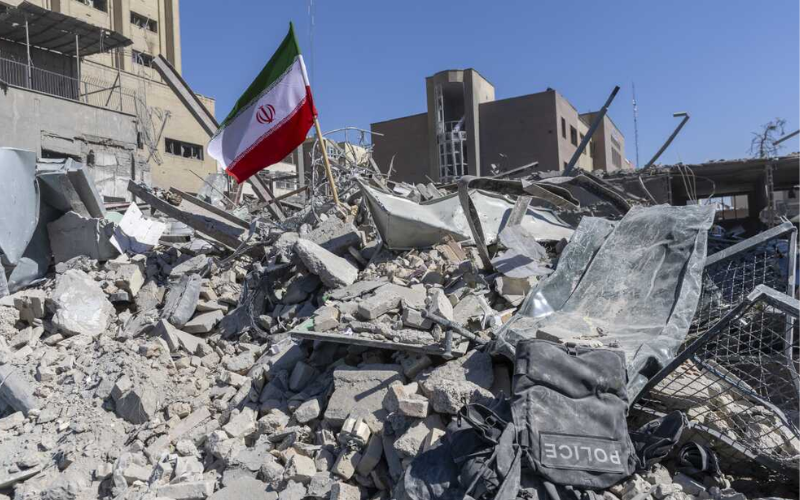
Explainer: How Iran war will disrupt Kenya’s local travel [Courtesy, Getty Images]

In December 2025, I transited through Hamad International Airport in Doha, Qatar, my first time through the mega hub. The airport shares several attributes with its peers in the region such as Dubai International Airport and Zayed International Airport in Abu Dhabi, both in the United Arab Emirates.

All three airports make a mockery of what we call “major” airports in Africa in terms of infrastructure development and passenger capacity.

They boast multi-level terminals, mini forests, global eateries, top-of-the-range lounges and smart systems that require little human input. Powered by petrol dollars, these airports attract tens of millions of travellers each year, becoming the envy of less-endowed peers worldwide.

Then boom.

On February 28, 2026, the United States and Israel launched attacks on Iran in an effort to prevent the country from fully developing nuclear weapons.

In the days that followed, neighbouring countries began to feel the heat of the invasion. Iran launched retaliatory attacks primarily directed at Western military installations. However, Iranian strikes and debris from intercepted missiles began wreaking havoc on civilian infrastructure, including airports.

The United Arab Emirates was hit. So were Qatar, Bahrain, Jordan, Kuwait and Saudi Arabia. All these countries suspended air travel. The closures are now being felt across the world.

Research conducted last week by Oxford Economics shows that more than 5,000 flights were cancelled within the first two days of the war. Any flight resumption will prioritise travellers who were stranded or residents seeking safer locations.

But that disruption is only half the story.

The economic fallout, both within the Gulf and further afield, is already being calculated in billions of dollars.

“Under an early war resolution scenario, we estimate inbound arrivals to the Middle East could decline 11 per cent year on year in 2026 due to the conflict. This represents a loss of 23 million international visitors in 2026 when compared to our December baseline. In spending terms, this equates to a $34 billion loss in the current year,” the report says.

Kenya might be on the periphery of this war, but the heat is beginning to be felt here too. The Middle East accounts for 14 per cent of global passenger traffic filtered through three major carriers: Emirates out of Dubai, Qatar Airways out of Doha, and Etihad Airways out of Abu Dhabi.

Because these airlines offer relatively affordable fares, thanks in part to heavy state subsidies, many tourists from the region and other Asian countries travelling to East Africa prefer transiting through these hubs. Today, few are willing to take the safety risk of passing through the region. The ripple effects will be felt across the entire travel industry in Kenya.

“Air travel has been disrupted not just in the Middle East but in European hubs as well,” says Mike Macharia, chief executive officer of the Kenya Association of Hotelkeepers and Caterers.

“As demand increases in European hubs such as London, Amsterdam, Paris, Frankfurt and Brussels, ticket prices will also increase and perhaps discourage travel,” he says.

A key driver of the global economy is oil, much of which is produced within the Gulf. Already, several oil facilities have been hit by Iranian missiles, disrupting global supply chains.

Iran has also threatened to attack vessels transporting oil through the Strait of Hormuz, one of the world’s most important maritime corridors between the Persian Gulf and the Gulf of Oman. Oil prices reacted immediately.

Locally, Macharia says higher fuel prices will be inevitable, a factor that will have adverse effects on the hospitality sector.

“Rising fuel prices will increase the cost of inputs in hotels. They will also affect the cost of electricity, increasing running costs. All these factors will make travel less attractive,” he says.

Should the conflict take longer to resolve, he adds, it could also constrict segments of the local travel industry such as the MICE market, which attracts delegates from diverse regions, many of whom connect through the Middle East.

Still, he says the current situation offers a silver lining for infrastructure planning, particularly in positioning Nairobi as a key aviation hub in the region.

“We should start thinking seriously about becoming an alternative hub to the Middle East. Investing in a new airport in Nairobi should have been done yesterday. There is no reason why we cannot have a hub in Kenya, Ethiopia and Rwanda, and we know the latter two are already ahead of us in developing mega airports,” he says.

In addition, Macharia says injecting capital into the national carrier, Kenya Airways, should go hand in hand with airport infrastructure development if the airline hopes to remain globally competitive.

Published Date: 2026-03-16 09:11:22
Author: Peter Muiruri
Source: TNX Africa
Iran airports Iran US war Iran War
Peter Muiruri

Add A Comment
Leave A Reply Cancel Reply

News Just In

‘One Battle After Another’ dominates 2026 Oscars as Jessie Buckley, Michael B. Jordan make history

March 16, 2026

Explainer: How Iran war will disrupt Kenya’s local travel

March 16, 2026

Travel: Hiking the Ngong hills where the wind never rests

March 16, 2026

Why sugar-coating bad news can do more harm than good

March 16, 2026
Crystalgate Group is digital transformation consultancy and software development company that provides cutting edge engineering solutions, helping companies and enterprise clients untangle complex issues that always emerge during their digital evolution journey. Contact us on https://crystalgate.co.ke/
News Central
News Central
Facebook X (Twitter) Instagram WhatsApp RSS
Quick Links
  • Kenya News
  • World News
  • Politics
  • Business
  • Opinion
  • Columnists
  • Entertainment
  • Gossip
  • Lifestyle & Travel
  • Sports
  • About News Central
  • Advertise with US
  • Privacy Policy
  • Terms & Conditions
  • Contact Us
About Us
At NewsCentral, we are committed to delivering in-depth journalism, real-time updates, and thoughtful commentary on the issues that matter to our readers.
© 2026 News Central.
  • Advertise with US
  • Privacy Policy
  • Terms & Conditions
  • Contact Us

Type above and press Enter to search. Press Esc to cancel.