

Audio By Vocalize
Long before glass and concrete towers defined its skyline, the Maasai called this place Enkare Nairobi, the place of cool waters. It was a landscape of greenery, wetland, and streams where water moved gracefully across the land before feeding the rivers that still run through the city today. What we see today is a distortion of that natural order, and it has come at a heavy price.
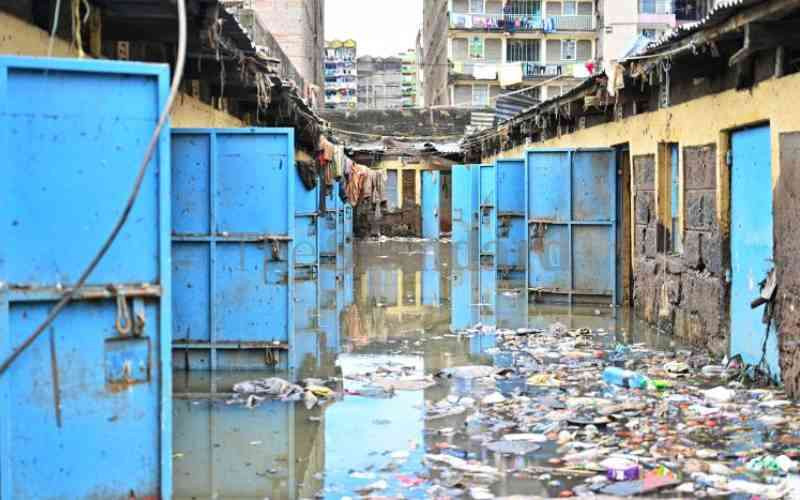
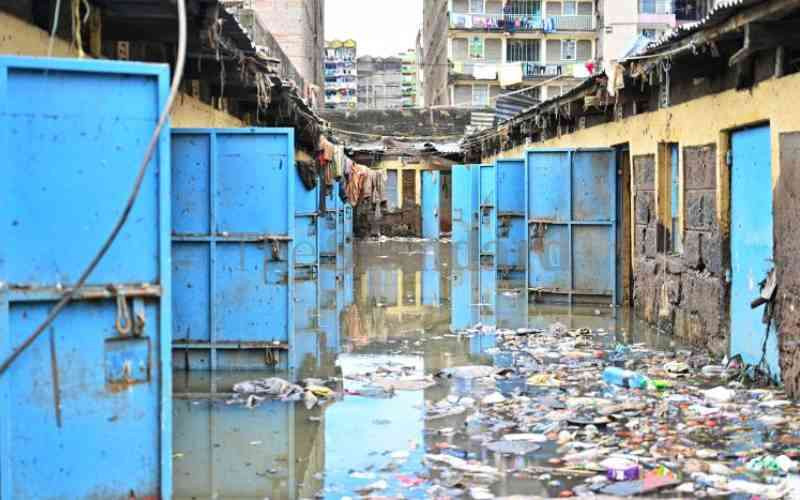
Two weeks after the deadly floods that claimed dozens of lives, destroyed homes, and rendered roads impassable, Nairobi continues to experience fresh flooding whenever heavy rains fall. Just this past weekend, some sections of the city were submerged, leaving motorists stranded and in need of emergency rescue. The pattern is certainly worrying.
In the days following the floods, the leadership of Nairobi City has been bombarded with criticism from citizens and leaders alike. Many have accused the county of incompetence and poor planning. And they may be justified. Urban planning is, after all, a function of devolved units. Development must be controlled, drainage systems must work, and infrastructure should be designed with the increasingly unpredictable effects of climate change in mind.
Take, for instance, the recent beautification of city pavements. At first glance, the paved walkways look modern and give the impression of a city upgrading. But sometimes modern is not always functional.
Cities, too, need space to breathe. When every available surface is sealed with concrete, rainwater cannot seep naturally into the soil, forcing it to go to already clogged and strained drainage systems.
Imagine if those pavements were designed with patches of green space, small gardens, and trees. Beyond beautifying the city, such a plan would allow nature to function as it should while offering a touch of softness to break the harsh concrete effect.
But as we demand accountability from the city’s administration, we must be willing to interrogate the role we play as citizens to keep our city safe. Infrastructure alone cannot solve a problem that is partly sustained by everyday habits. If Nairobi is choking under plastic waste and blocked drainage, then somewhere along the way, we must admit that we, too, have played a part.
Walk around many roads in Nairobi, or any urban area for that matter, and you will find plastic bottles, food containers, wrappers, and other waste lodged in drainage channels. Our drainages have been turned into dustbins.
We forget that every bottle thrown from a moving car, every wrapper discarded on the side of the road, every shopping bag left on the streets eventually ends up somewhere. More often than not, that somewhere is the drainage system.
Should we then be surprised when, after a day’s rain, our lives are disrupted by floods simply because the water couldn’t find its way through blocked channels?
It may be time to rethink some of our everyday choices that contribute to making this city a nightmare during rainy seasons.
Is it possible for us to cultivate a culture of using reusable containers for our water and meals when we come to town? Could we normalise stepping out to eat at establishments near our workplaces rather than constantly ordering takeaway meals delivered to our desks? In fact, must the meals we buy come packaged in disposable containers?
These may seem like small and inconsequential choices. But when multiplied by the thousands, even millions of people who come into the city every day, their impact becomes huge.
Environmental care should also not be reduced to occasional tree planting ceremonies to mark one day or another. It must become part of our everyday upbringing. Children should grow up knowing that throwing litter is not just untidy, it is harmful to the environment.
We all should understand that every bottle discarded today is what will block a drain tomorrow, causing floods that will cost people their homes and, even worse, their lives.
While we expect the government to invest in proper drainage systems, enforce waste management laws, protect riparian land, and plan urban spaces with the realities of climate change in mind, we must commit to doing our bit as citizens.
Ms. Wekesa is a development communication consultant
.std-banner-wrap {
max-width: 100%;
width: 100%;
position: relative;
margin: 2.5rem 0 2rem;
font-family: Georgia, ‘Times New Roman’, serif;
}
.std-top-rule {
display: flex;
height: 4px;
}
.std-top-rule .r1 {
background: #CC0000;
flex: 3;
}
.std-top-rule .r2 {
background: #C9A84C;
flex: 1;
}
.std-top-rule .r3 {
background: #0D0D0D;
flex: 6;
}
.std-banner {
background: #F9F5F0;
padding: 2rem 2.2rem 1.8rem;
position: relative;
overflow: hidden;
box-shadow: 0 4px 24px rgba(0, 0, 0, 0.10), 0 1px 0 #C9A84C;
border-left: 4px solid #CC0000;
}
.std-banner::before {
content: ‘S’;
position: absolute;
right: -1rem;
top: -2rem;
font-family: Georgia, serif;
font-size: 14rem;
font-weight: 900;
color: rgba(204, 0, 0, 0.04);
line-height: 1;
pointer-events: none;
user-select: none;
}
.std-eyebrow {
display: inline-flex;
align-items: center;
gap: 0.5rem;
font-size: 0.62rem;
font-weight: 700;
letter-spacing: 0.2em;
text-transform: uppercase;
color: #CC0000;
margin-bottom: 0.85rem;
font-family: Arial, sans-serif;
}
.std-eyebrow::before {
content: ”;
display: block;
width: 18px;
height: 1.5px;
background: #CC0000;
}
.std-banner-title {
font-family: Georgia, ‘Times New Roman’, serif;
font-size: clamp(1.3rem, 3.5vw, 1.75rem);
font-weight: 900;
color: #0D0D0D;
line-height: 1.2;
margin: 0 0 0.75rem;
letter-spacing: -0.02em;
}
.std-banner-title .std-hl {
color: #CC0000;
font-style: italic;
}
.std-divider {
display: flex;
align-items: center;
gap: 0.6rem;
margin-bottom: 0.9rem;
}
.std-divider::before,
.std-divider::after {
content: ”;
flex: 1;
height: 1px;
background: #d8d0c6;
}
.std-divider-dot {
width: 6px;
height: 6px;
border-radius: 50%;
background: #CC0000;
flex-shrink: 0;
}
.std-banner-body {
font-size: 0.97rem;
line-height: 1.7;
color: #2C2C2C;
font-weight: 400;
margin: 0 0 1.4rem;
font-family: Georgia, serif;
}
.std-banner-body strong {
font-weight: 700;
color: #0D0D0D;
}
.std-cta-row {
display: flex;
align-items: center;
gap: 1rem;
flex-wrap: wrap;
margin-bottom: 1.2rem;
}
.std-btn-subscribe {
display: inline-flex;
align-items: center;
gap: 0.6rem;
background: #CC0000;
color: #fff !important;
font-family: Arial, sans-serif;
font-size: 0.8rem;
font-weight: 700;
letter-spacing: 0.1em;
text-transform: uppercase;
padding: 0.72rem 1.5rem 0.72rem 1.3rem;
border: none;
cursor: pointer;
text-decoration: none !important;
border-bottom: none !important;
position: relative;
overflow: hidden;
transition: background 0.2s ease, transform 0.15s ease, box-shadow 0.2s ease;
box-shadow: 0 4px 16px rgba(204, 0, 0, 0.3);
clip-path: polygon(0 0, calc(100% – 10px) 0, 100% 50%, calc(100% – 10px) 100%, 0 100%);
padding-right: 1.8rem;
}
.std-btn-subscribe:hover,
.std-btn-subscribe:focus,
.std-btn-subscribe:visited,
.std-btn-subscribe:active {
background: #A00000 !important;
color: #fff !important;
transform: translateY(-1px);
box-shadow: 0 6px 22px rgba(204, 0, 0, 0.4);
text-decoration: none !important;
border-bottom: none !important;
outline: none;
}
.std-btn-subscribe:active {
transform: translateY(0);
}
.std-btn-arrow {
display: inline-block;
font-size: 1rem;
line-height: 1;
transition: transform 0.18s ease;
}
.std-btn-subscribe:hover .std-btn-arrow {
transform: translateX(3px);
}
.std-dismiss {
font-size: 0.75rem;
color: #999;
background: none;
border: none;
border-bottom: 1px dashed #ccc;
padding: 0 0 1px;
cursor: pointer;
font-family: Georgia, serif;
letter-spacing: 0.03em;
transition: color 0.2s;
}
.std-dismiss:hover {
color: #333;
border-bottom-color: #333;
}
/* Payment logos */
.std-payment-row {
display: flex;
align-items: center;
gap: 0.45rem;
flex-wrap: wrap;
padding-top: 1rem;
border-top: 1px solid #e0d9d0;
margin-bottom: 0.7rem;
}
.std-pay-label {
font-size: 0.6rem;
color: #aaa;
letter-spacing: 0.14em;
text-transform: uppercase;
font-family: Arial, sans-serif;
margin-right: 0.2rem;
white-space: nowrap;
}
.std-pay-badge {
display: inline-flex;
align-items: center;
justify-content: center;
height: 24px;
padding: 0 0.5rem;
border-radius: 3px;
border: 1px solid #e0d7ce;
background: #fff;
box-shadow: 0 1px 3px rgba(0, 0, 0, 0.05);
}
/* M-Pesa */
.std-mpesa-text {
font-family: Arial, sans-serif;
font-size: 0.7rem;
font-weight: 900;
}
.std-mpesa-m {
color: #39b74a;
}
.std-mpesa-dash {
color: #db3939;
}
.std-mpesa-p {
color: #39b74a;
}
/* Visa */
.std-visa-text {
font-family: ‘Times New Roman’, Times, serif;
font-size: 0.82rem;
font-weight: 900;
font-style: italic;
color: #1a1f71;
letter-spacing: -0.03em;
}
/* Mastercard */
.std-mc-wrap {
position: relative;
width: 28px;
height: 16px;
}
.std-mc-left {
width: 16px;
height: 16px;
border-radius: 50%;
background: #eb001b;
position: absolute;
left: 0;
top: 0;
}
.std-mc-right {
width: 16px;
height: 16px;
border-radius: 50%;
background: #f79e1b;
position: absolute;
right: 0;
top: 0;
mix-blend-mode: multiply;
}
/* Airtel Money */
.std-airtel-text {
font-family: Arial, sans-serif;
font-size: 0.64rem;
font-weight: 800;
}
.std-airtel-a {
color: #ec2427;
;
}
.std-airtel-m {
color: #dd3436;
font-weight: 600;
}
/* Equitel */
.std-equitel-text {
font-family: Arial, sans-serif;
font-size: 0.6rem;
font-weight: 700;
color: #003087;
letter-spacing: 0.02em;
}
.std-equitel-eq {
color: #e2001a;
}
/* Trust strip */
.std-trust-strip {
display: flex;
align-items: center;
gap: 0.45rem;
flex-wrap: wrap;
}
.std-trust-strip .std-shield {
width: 11px;
height: 11px;
fill: #C9A84C;
flex-shrink: 0;
}
.std-trust-strip span {
font-size: 0.67rem;
color: #aaa;
letter-spacing: 0.03em;
font-family: Arial, sans-serif;
}
.std-trust-strip .std-dot {
width: 3px;
height: 3px;
border-radius: 50%;
background: #ccc;
flex-shrink: 0;
}
/* Bottom rule */
.std-bottom-rule {
height: 2px;
background: linear-gradient(to right, #C9A84C, #CC0000, #0D0D0D);
}
/* Entrance animation */
@keyframes stdSlideUp {
from {
opacity: 0;
transform: translateY(20px);
}
to {
opacity: 1;
transform: translateY(0);
}
}
.std-banner-wrap {
animation: stdSlideUp 0.5s cubic-bezier(0.22, 1, 0.36, 1) both;
}
Support Independent Journalism
Stand With Bold Journalism.
Stand With The Standard.
Continue
→
Pay via
Secure Payment
Kenya’s most trusted newsroom since 1902
Follow The Standard
channel
on WhatsApp
By Faith Wekesa