

Close Menu
  • Home
  • Kenya News
  • World News
  • Politics
  • Business
  • Opinion
  • Columnists
  • Entertainment
  • Sports
    • Football
    • Athletics
    • Rugby
    • Golf
  • Lifestyle & Travel
    • Travel
  • Gossip
Facebook X (Twitter) Instagram
News CentralNews Central
Subscribe
  • Home
  • Kenya News
  • World News
  • Politics
  • Business
  • Opinion
  • Columnists
  • Entertainment
  • Sports
    1. Football
    2. Athletics
    3. Rugby
    4. Golf
    5. View All

    Counties best placed to shape the future of Kenya's blue economy

    March 19, 2026

    Africa will need 150,000 construction managers by 2035, says report

    March 19, 2026

    Counties best placed to shape the future of Kenya’s blue economy

    March 19, 2026

    Nairobi pick team for Kenya Open Boxing Championships

    March 18, 2026

    Counties best placed to shape the future of Kenya's blue economy

    March 19, 2026

    Africa will need 150,000 construction managers by 2035, says report

    March 19, 2026

    Counties best placed to shape the future of Kenya’s blue economy

    March 19, 2026

    Nairobi pick team for Kenya Open Boxing Championships

    March 18, 2026

    Counties best placed to shape the future of Kenya's blue economy

    March 19, 2026

    Africa will need 150,000 construction managers by 2035, says report

    March 19, 2026

    Counties best placed to shape the future of Kenya’s blue economy

    March 19, 2026

    Nairobi pick team for Kenya Open Boxing Championships

    March 18, 2026

    Counties best placed to shape the future of Kenya's blue economy

    March 19, 2026

    Africa will need 150,000 construction managers by 2035, says report

    March 19, 2026

    Counties best placed to shape the future of Kenya’s blue economy

    March 19, 2026

    Nairobi pick team for Kenya Open Boxing Championships

    March 18, 2026

    Counties best placed to shape the future of Kenya's blue economy

    March 19, 2026

    Africa will need 150,000 construction managers by 2035, says report

    March 19, 2026

    Counties best placed to shape the future of Kenya’s blue economy

    March 19, 2026

    Nairobi pick team for Kenya Open Boxing Championships

    March 18, 2026
  • Lifestyle & Travel
    1. Travel
    2. View All

    Counties best placed to shape the future of Kenya's blue economy

    March 19, 2026

    Africa will need 150,000 construction managers by 2035, says report

    March 19, 2026

    Counties best placed to shape the future of Kenya’s blue economy

    March 19, 2026

    Nairobi pick team for Kenya Open Boxing Championships

    March 18, 2026

    Counties best placed to shape the future of Kenya's blue economy

    March 19, 2026

    Africa will need 150,000 construction managers by 2035, says report

    March 19, 2026

    Counties best placed to shape the future of Kenya’s blue economy

    March 19, 2026

    Nairobi pick team for Kenya Open Boxing Championships

    March 18, 2026
  • Gossip
News CentralNews Central
Home»Business»Africa will need 150,000 construction managers by 2035, says report
Business

Africa will need 150,000 construction managers by 2035, says report

By By David NjaagaMarch 19, 2026No Comments4 Mins Read
Share Facebook Twitter Pinterest Copy Link LinkedIn Tumblr Email VKontakte Telegram Reddit WhatsApp
Africa will need 150,000 construction managers by 2035, says report
Share
Facebook Twitter Pinterest Email Copy Link LinkedIn Tumblr Reddit VKontakte Telegram WhatsApp

Audio By Vocalize

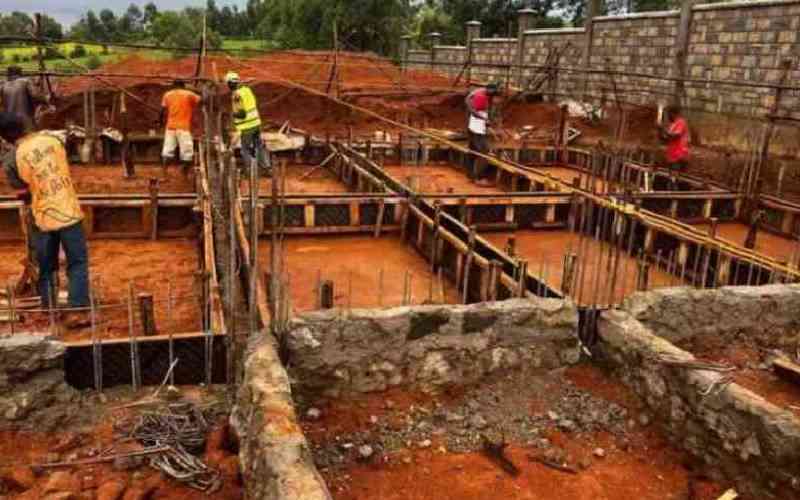
Workers at a construction site. Africa needs 150,000 more project management professionals by 2035 to meet its infrastructure ambitions, PMI warns. [File,Standard]

Sub-Saharan Africa faces a shortfall of nearly 150,000 construction project professionals by 2035, even as governments pour billions into infrastructure, Project Management Institute (PMI) research shows.

Demand for construction project professionals across the region is projected to rise from about 260,000 in 2025 to more than 410,000 by 2035, leaving a 57 per cent talent gap, one of the highest growth rates globally.

At the centre of this transformation is the Programme for Infrastructure Development in Africa (PIDA), a continent-wide initiative targeting more than 400 priority projects spanning energy, transport, information and communications technology (ICT), and transboundary water systems.

It is backed by over $360 billion (Sh46.8 trillion) in committed funding.

“Construction sits at the heart of the region’s development ambitions,” said PMI Sub-Saharan Africa Managing Director George Asamani. “But without the right project management capabilities, we risk delays, cost overruns, rework and, ultimately, lost value.” PMI data shows that about 10 per cent of global project investment is lost annually due to poor performance, translating into billions of shillings in unrealised value in a region deploying hundreds of billions into infrastructure.

PMI’s research identifies Sub-Saharan Africa as having the highest percentage growth in demand for construction project professionals globally, with Ethiopia leading the surge at a projected annual demand growth rate of 7.8 per cent.

The talent shortage is part of a broader global trend, with PMI estimating that nearly 2.5 million additional construction project professionals will be needed worldwide by 2035.

The report traces the problem to more than a numbers deficit.

Employers report critical shortfalls in core project management competencies such as scheduling, planning and resource optimisation, as well as communication, collaborative leadership and stakeholder engagement.

PMI’s research points to digitalisation, including Building Information Modelling, digital twins and artificial intelligence, as levers to unlock efficiency, improve transparency and reduce costly rework. However, construction in Sub-Saharan Africa has historically lagged other industries in technology adoption. 


Support Independent Journalism

Stand With Bold Journalism.
Stand With The Standard.

Journalism can’t be free because the truth demands investment.
At The Standard, we invest time, courage and skills to bring you accurate,
factual and impactful stories. Subscribe today and stand with us in the
pursuit of credible journalism.

Continue
→

Pay via

Secure Payment

Kenya’s most trusted newsroom since 1902

Follow The Standard
channel
on WhatsApp

Sub-Saharan Africa faces a shortfall of nearly 150,000 construction project professionals by 2035, even as governments pour billions into infrastructure, Project Management Institute (PMI) research shows.

Demand for construction
project professionals across the region is projected to rise from about 260,000 in 2025 to more than 410,000 by 2035, leaving a 57 per cent talent gap, one of the highest growth rates globally.

At the centre of this transformation is the Programme for Infrastructure Development in Africa (PIDA), a continent-wide initiative targeting more than 400 priority projects spanning energy, transport, information and communications technology (ICT), and transboundary water systems.
It is backed by over $360 billion (Sh46.8 trillion) in committed funding.

“Construction sits at the heart of the region’s development ambitions,” said PMI Sub-Saharan Africa Managing Director George Asamani. “But without the right project management capabilities, we risk delays, cost overruns, rework and, ultimately, lost value.” PMI data shows that about 10 per cent of global project investment is lost annually due to poor performance, translating into billions of shillings in unrealised value in a region deploying hundreds of billions into infrastructure.
PMI’s research identifies Sub-Saharan Africa as

having the highest percentage
growth in demand for construction project professionals globally, with Ethiopia leading the surge at a projected annual demand growth rate of 7.8 per cent.

The talent shortage is part of a broader global trend, with PMI estimating that nearly 2.5 million additional construction project professionals will be needed worldwide by 2035.

The report traces the problem to more than a numbers deficit.
Employers report critical shortfalls in core project management competencies such as scheduling, planning and resource optimisation, as well as communication, collaborative leadership and stakeholder engagement.

PMI’s research points to digitalisation, including Building Information Modelling, digital twins and artificial intelligence, as levers to unlock efficiency, improve transparency and reduce costly rework. However, construction in Sub-Saharan Africa has historically lagged other industries in technology adoption. 

Follow The Standard
channel
on WhatsApp

Published Date: 2026-03-19 00:00:00
Author:
By David Njaaga
Source: The Standard
By David Njaaga

Add A Comment
Leave A Reply Cancel Reply

News Just In

Counties best placed to shape the future of Kenya's blue economy

March 19, 2026

Africa will need 150,000 construction managers by 2035, says report

March 19, 2026

Counties best placed to shape the future of Kenya’s blue economy

March 19, 2026

Nairobi pick team for Kenya Open Boxing Championships

March 18, 2026
Crystalgate Group is digital transformation consultancy and software development company that provides cutting edge engineering solutions, helping companies and enterprise clients untangle complex issues that always emerge during their digital evolution journey. Contact us on https://crystalgate.co.ke/
News Central
News Central
Facebook X (Twitter) Instagram WhatsApp RSS
Quick Links
  • Kenya News
  • World News
  • Politics
  • Business
  • Opinion
  • Columnists
  • Entertainment
  • Gossip
  • Lifestyle & Travel
  • Sports
  • About News Central
  • Advertise with US
  • Privacy Policy
  • Terms & Conditions
  • Contact Us
About Us
At NewsCentral, we are committed to delivering in-depth journalism, real-time updates, and thoughtful commentary on the issues that matter to our readers.
© 2026 News Central.
  • Advertise with US
  • Privacy Policy
  • Terms & Conditions
  • Contact Us

Type above and press Enter to search. Press Esc to cancel.