



Audio By Vocalize
The ongoing war involving Iran and the United States has plunged the world into what analysts describe as the worst energy crisis in modern history, forcing countries to adopt emergency measures to cope with soaring fuel prices and dwindling supplies.
At the heart of the crisis is the disruption of the Strait of Hormuz, a critical shipping route through which about 20 percent of the world’s oil and gas normally passes.
Its closure has choked global supply, sending oil prices above Sh13,000 (100USD) per barrel and triggering sharp increases in fuel costs worldwide.
The International Energy Agency (IEA) has described the situation as the largest supply disruption in history, surpassing even the 1973 oil embargo.
Energy infrastructure across the Middle East has also suffered extensive damage, with dozens of oil and gas facilities affected, further tightening supply and prolonging the crisis.
Coping mechanisms
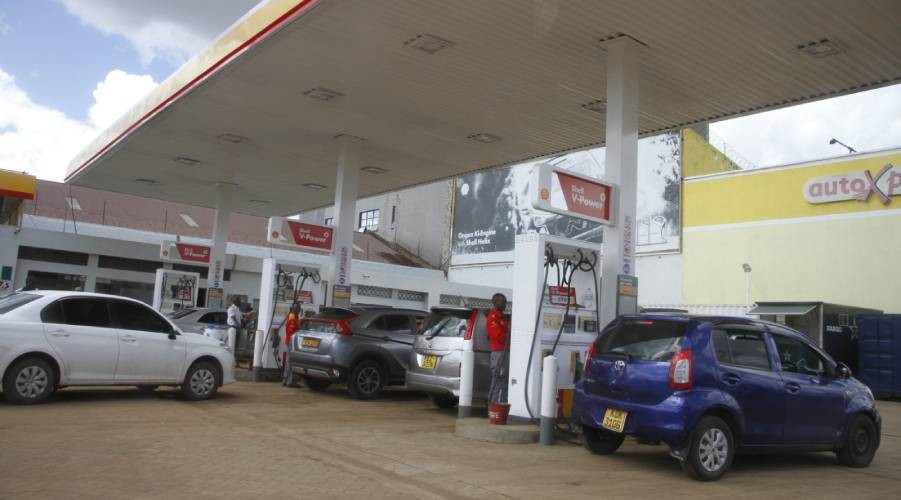
In Kenya, most petrol stations have started hoarding petroleum products which include petrol, diesel and paraffin.
The hoarding is in anticipation of a consumer fuel price hike next month when the Ministry of Energy announces its review of pump prices.
Most petrol stations have also admitted to running low on supply, and no profits after the regulator froze pump prices despite rising global oil costs.
Asian economies, heavily reliant on imported fuel, have been among the hardest hit.
Countries such as Japan and Australia have seen fuel prices surge sharply, with diesel and petrol costs rising by double digits.
In Southeast Asia and India, shortages have disrupted transport and small businesses, with some sectors warning of closures due to rising energy costs.
European nations are facing renewed inflationary pressure, with energy costs threatening economic recovery. The United Kingdom, for instance, risks stagflation, as rising fuel prices combine with slow economic growth.
Despite being a major oil producer, the United States has not been spared.
Fuel prices have climbed significantly, contributing to inflation and political pressure, even as authorities attempt to reassure markets.
Governments worldwide are implementing both short-term emergency actions and long-term structural changes to manage the crisis.
Release of strategic oil reserves
IEA member countries have coordinated the release of over 400 million barrels of oil, the largest such move in history, to stabilize supply and reduce price shocks.
Fuel rationing and consumption limits has also been adopted with several countries having introduced fuel rationing, limiting how much petrol or diesel individuals and businesses can purchase.
Bangladesh is among the nations already implementing such measures.
Reduced work weeks and energy restrictions. Some governments are shortening work weeks, enforcing blackouts, and limiting industrial energy use to conserve fuel and electricity.
Public transport and remote work. Authorities and global agencies are urging citizens to: Use public transport, carpool, work from home, and reduce non-essential travel.
Shift to alternative energy
The crisis is accelerating the transition to renewable energy and electric vehicles. Demand for electric vehicles has surged across Asia and other regions as consumers seek protection from volatile fuel prices.
Diversification of energy sources has also seen some countries fast-tracking investments in solar and wind energy, nuclear power, Liquefied natural gas (LNG) imports from alternative routes.
Energy companies are also increasing investment in electricity-based systems to reduce reliance on oil.
The fuel crisis is already reshaping economies and daily life, with rising transport and food costs driving inflation globally. Experts warn that if the conflict persists, the world could face recessionary pressures and prolonged economic instability.
Will the crisis accelerate the global shift away from fossil fuels and maybe explore other options?
While emergency measures have provided some relief, analysts caution that no quick fix exists as long as the conflict continues and key supply routes remain disrupted.
The crisis is likely to leave a lasting legacy, accelerating the global shift away from fossil fuels while exposing the vulnerabilities of a world still heavily dependent on oil.
Support Independent Journalism
Stand With Bold Journalism.
Stand With The Standard.
Continue
→
Pay via
Secure Payment
Kenya’s most trusted newsroom since 1902
Follow The Standard
channel on WhatsApp
The ongoing war involving Iran and the United States has plunged the world into what analysts describe as the worst energy crisis in modern history, forcing countries to adopt emergency measures to cope with soaring fuel prices and dwindling supplies.
At the heart of the crisis is the disruption of the Strait of Hormuz, a critical shipping route through which about 20 percent of the world’s oil and gas normally passes.
Its closure has choked global supply, sending oil prices above Sh13,000 (100USD) per barrel and triggering sharp increases in fuel costs worldwide.
The International Energy Agency (IEA) has described the situation as the largest supply disruption in history, surpassing even the 1973 oil embargo.
Energy infrastructure across the Middle East has also suffered extensive damage, with dozens of oil and gas facilities affected, further tightening supply and prolonging the crisis.
Coping mechanisms
In Kenya, most petrol stations have started hoarding petroleum products which include petrol, diesel and paraffin.
The hoarding is in anticipation of a consumer fuel price hike next month when the Ministry of Energy announces its review of pump prices.
Most petrol stations have also admitted to running low on supply, and no profits after the regulator froze pump prices despite rising global oil costs.
Asian economies, heavily reliant on imported fuel, have been among the hardest hit.
Countries such as Japan and Australia have seen fuel prices surge sharply, with diesel and petrol costs rising by double digits.
In Southeast Asia and India, shortages have disrupted transport and small businesses, with some sectors warning of closures due to rising energy costs.
European nations are facing renewed inflationary pressure, with energy costs threatening economic recovery. The United Kingdom, for instance, risks stagflation, as rising fuel prices combine with slow economic growth.
Despite being a major oil producer, the United States has not been spared.
Fuel prices have climbed significantly, contributing to inflation and political pressure, even as authorities attempt to reassure markets.
Stay informed. Subscribe to our newsletter
Governments worldwide are implementing both short-term emergency actions and long-term structural changes to manage the crisis.
Release of strategic oil reserves
IEA member countries have coordinated the release of over 400 million barrels of oil, the largest such move in history, to stabilize supply and reduce price shocks.
Fuel rationing and consumption limits has also been adopted with several countries having introduced fuel rationing, limiting how much petrol or diesel individuals and businesses can purchase.
Bangladesh is among the nations already implementing such measures.
Reduced work weeks and energy restrictions. Some governments are shortening work weeks, enforcing blackouts, and limiting industrial energy use to conserve fuel and electricity.
Public transport and remote work. Authorities and global agencies are urging citizens to: Use public transport, carpool, work from home, and reduce non-essential travel.
Shift to alternative energy
The crisis is accelerating the transition to renewable energy and electric vehicles. Demand for electric vehicles has surged across Asia and other regions as consumers seek protection from volatile fuel prices.
Diversification of energy sources has also seen some countries fast-tracking investments in solar and wind energy, nuclear power, Liquefied natural gas (LNG) imports from alternative routes.
Energy companies are also increasing investment in electricity-based systems to reduce reliance on oil.
The fuel crisis is already reshaping economies and daily life, with rising transport and food costs driving inflation globally. Experts warn that if the conflict persists, the world could face recessionary pressures and prolonged economic instability.
Will the crisis accelerate the global shift away from fossil fuels and maybe explore other options?
While emergency measures have provided some relief, analysts caution that no quick fix exists as long as the conflict continues and key supply routes remain disrupted.
The crisis is likely to leave a lasting legacy, accelerating the global shift away from fossil fuels while exposing the vulnerabilities of a world still heavily dependent on oil.
Follow The Standard
channel on WhatsApp
By Mate Tongola