

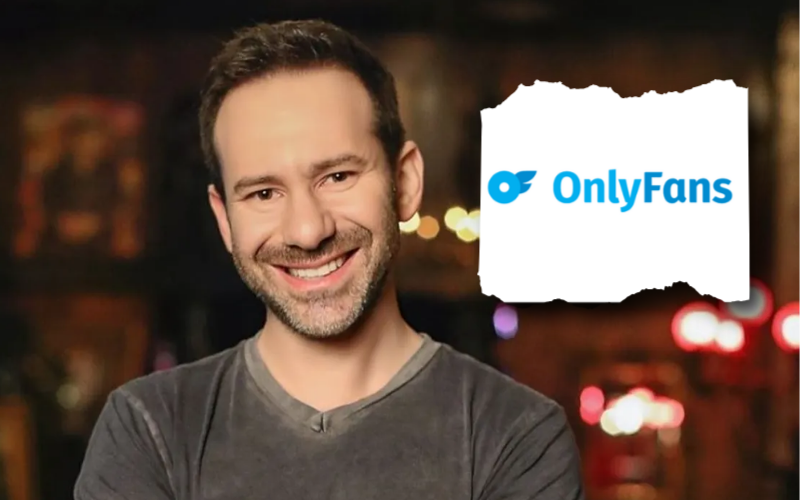
Leonid Radvinsky, the billionaire owner of OnlyFans, has died at 43 after a prolonged illness, closing a controversial but transformative chapter in the digital content industry.
The Ukrainian-born entrepreneur, who grew up in Chicago, “passed away peacefully after a long battle with cancer,” the company said, as his family requested privacy.
Radvinsky acquired OnlyFans in 2018 from its UK-based founders through parent company Fenix International Limited, becoming majority shareholder and director.
He oversaw the platform’s rapid growth, particularly during the Covid-19 pandemic, when it became a global phenomenon and earned him a spot on Forbes’ billionaire list within three years.
Founded in 2016, OnlyFans allows creators to share content behind a paywall, earning through subscriptions, tips and personalised posts. While it hosts a range of material from fitness to lifestyle, it is best known for adult content.
The platform takes a 20 per cent commission, generating about Sh180.6 billion ($1.4bn) in revenue and roughly Sh1.25 trillion (£7bn) in transactions in 2024.
The company says it empowers creators, including adult performers, influencers and professionals such as teachers and athletes, to earn income online.
However, its rise drew scrutiny from regulators and lawmakers over illegal content and underage access.
In 2024, UK regulator Ofcom fined the company about Sh173 million (£1m) for failing to provide accurate information on its age verification systems, although a wider probe into child access was later dropped.
Further controversy followed a Reuters investigation citing claims of exploitation, while a 2021 attempt to ban sexually explicit content was reversed within days after backlash from users and creators.
Despite this, Radvinsky remained central to the company’s financial success. His net worth was estimated in the billions of dollars in 2025, and he had reportedly explored selling a majority stake that could value the company at about KSh1.03 trillion ($8bn).
Beyond OnlyFans, he invested in tech ventures through his firm, Leo.com, and supported philanthropic causes including cancer research.
He leaves behind a platform that reshaped online content creation, while continuing to fuel debate over regulation, ethics and the future of digital media.