

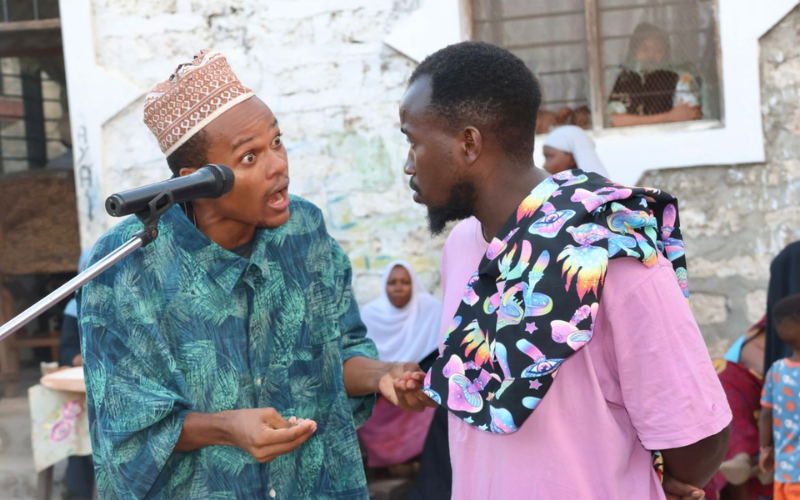
Set in the historic Swahili town of Lamu, the Kiswahili play Ukarabati wa Urithi (Renovation of Heritage) explores the tension between tradition and modern life.
Presented by the Lamu Arts and Theatre Alliance and written by Faraj Mohamed, the play reflects life in the coastal town, where heritage is preserved not just in customs but also in architecture.
The story begins with the strained marriage of Bakari (Yusuff Baishe) and Amina (Mariam Suleiman). Their conflict revolves around a crumbling ancestral house, Magofu, which Bakari wants to sell to ease financial pressures. Amina, who inherited the house, sees it as a repository of memory and identity that must be preserved for future generations.

“She represents a woman who wants to protect heritage but is bound by love. While she loves her husband and supports him, she draws the line when it comes to preserving what has been passed down,” the play shows.
Bakari, leaning toward modernity and overwhelmed by responsibility, tells Amina she must sell the house to tourists seeking such homes, or he will divorce her and marry someone else. Torn between protecting the house’s cultural and familial value and avoiding social ridicule as a divorcee, Amina reluctantly agrees.
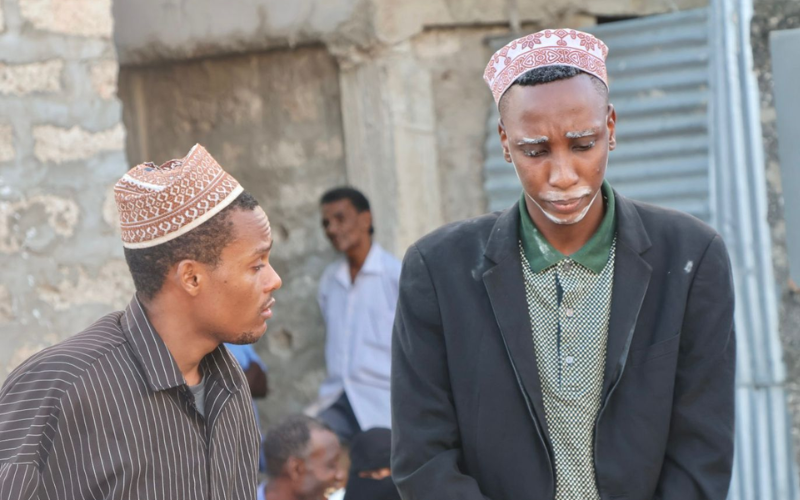
“In our culture, being divorced is a source of shame for a woman. Also, by selling the house, the family loses a significant part of our ancestral history,” Suleiman says.
The play uses this domestic conflict to highlight the pressures on Lamu’s identity, long preserved through architecture and customs. Baishe notes that when such homes are sold, “they lose their intricate designs and are turned modern.”

Their onstage dynamic is mirrored in costume and gesture. Amina wears a dera and mtandio, symbols of modesty and tradition, while Bakari’s shirt, kikoi, and Swahili cap suggest a man straddling two worlds. Subtle details, such as Amina no longer preparing Swahili coffee or singing traditional love songs, reflect the growing rift between them.
The production also examines parenting, showing Bakari defending his son, who has dropped out of school and lives recklessly.

The play references UNESCO, which recognises Lamu as a heritage site, highlighting warnings that motorbikes threaten its cultural value and should be replaced with donkeys.
Supported by the World Monuments Fund through Friends of Lamu, Ukarabati wa Urithi functions both as an artistic work and an awareness campaign. It continues to be staged at Mkunguni Square in Lamu Old Town, Kashmir, and Pavilion Stage since Saturday.
Photos: Courtesy