



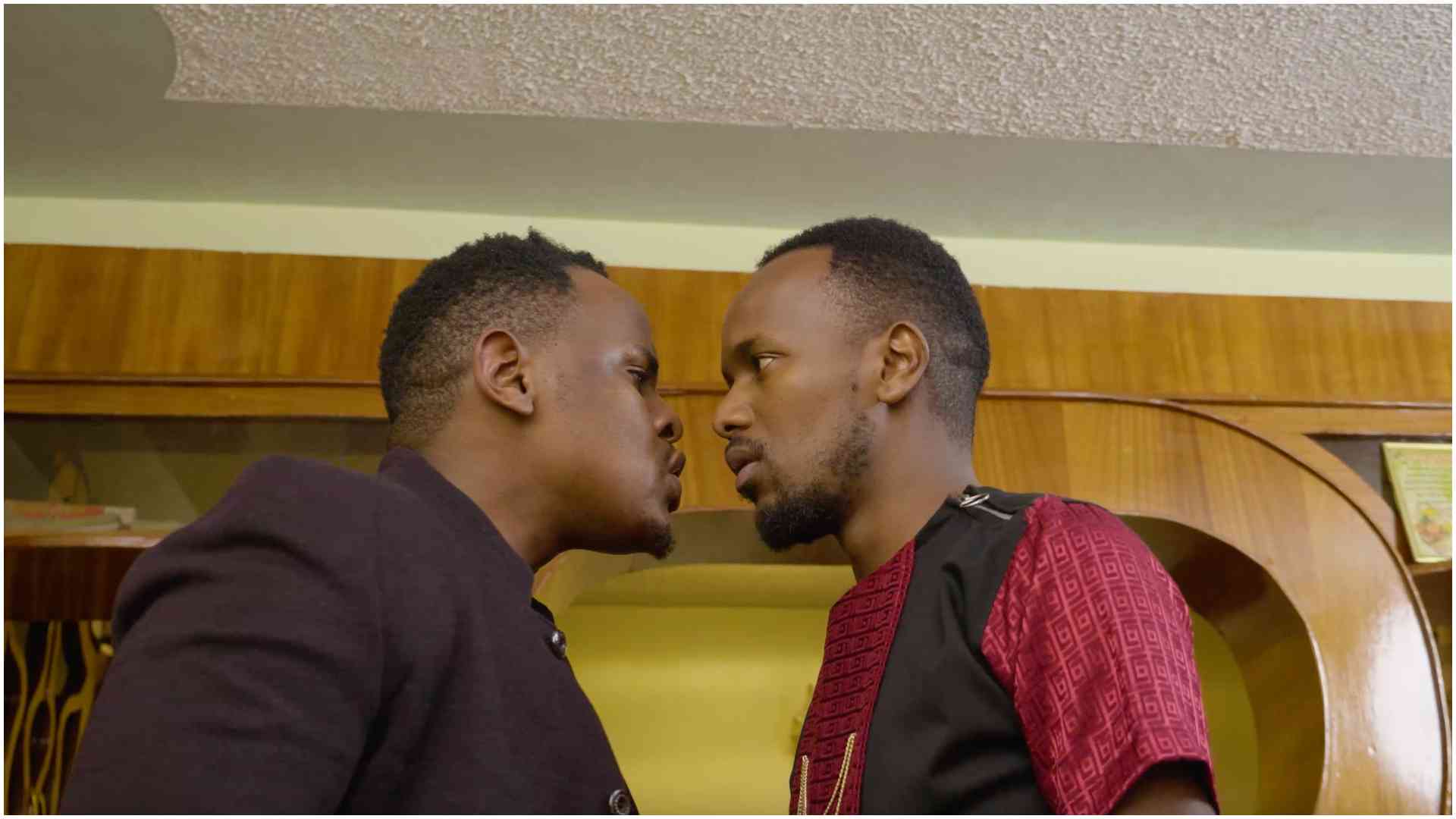
Set against the backdrop of a wealthy Kikuyu household, the film Thakame Nduru follows a strained brotherly bond. GK, the disciplined firstborn son (Duncan Murunyu), commits a cultural disgrace by rejecting his father’s multi-million-shilling empire to carve out his own path outside of his father’s legacy.
The film premieres on April 4 at Scila Gardens, Sportsview Hotel in Kasarani. Nairobi.
His brother, Njenga (Mugo Macharia), is interested in inheriting his father’s empire. He wants to be on his father’s good side but his esteem and a lifetime of being unrecognised makes him want more than being in the boardroom. He eyes GK’s fiancée, Lydia (Stella Wangeci), and it leads to deeper conflict.
The film interrogates how kinship is not as solid as it is pretended due to unresolved grievances and perceived inequities. It also avoids depicting family as broken but as human and fragile, with fragility viewed as a call to care more for relationships than we usually do.
Written by the late Wanja Thuku, Thakame Nduru shows how the conflict between tradition and individuality lives in every Kikuyu household.
However, Murunyu explains that they were careful not to depict tradition as the villain and individuality as the hero. The production does not advocate for one over the other but examines what traditions should be carried forward and what needs to end. It also finding individuality in tradition.

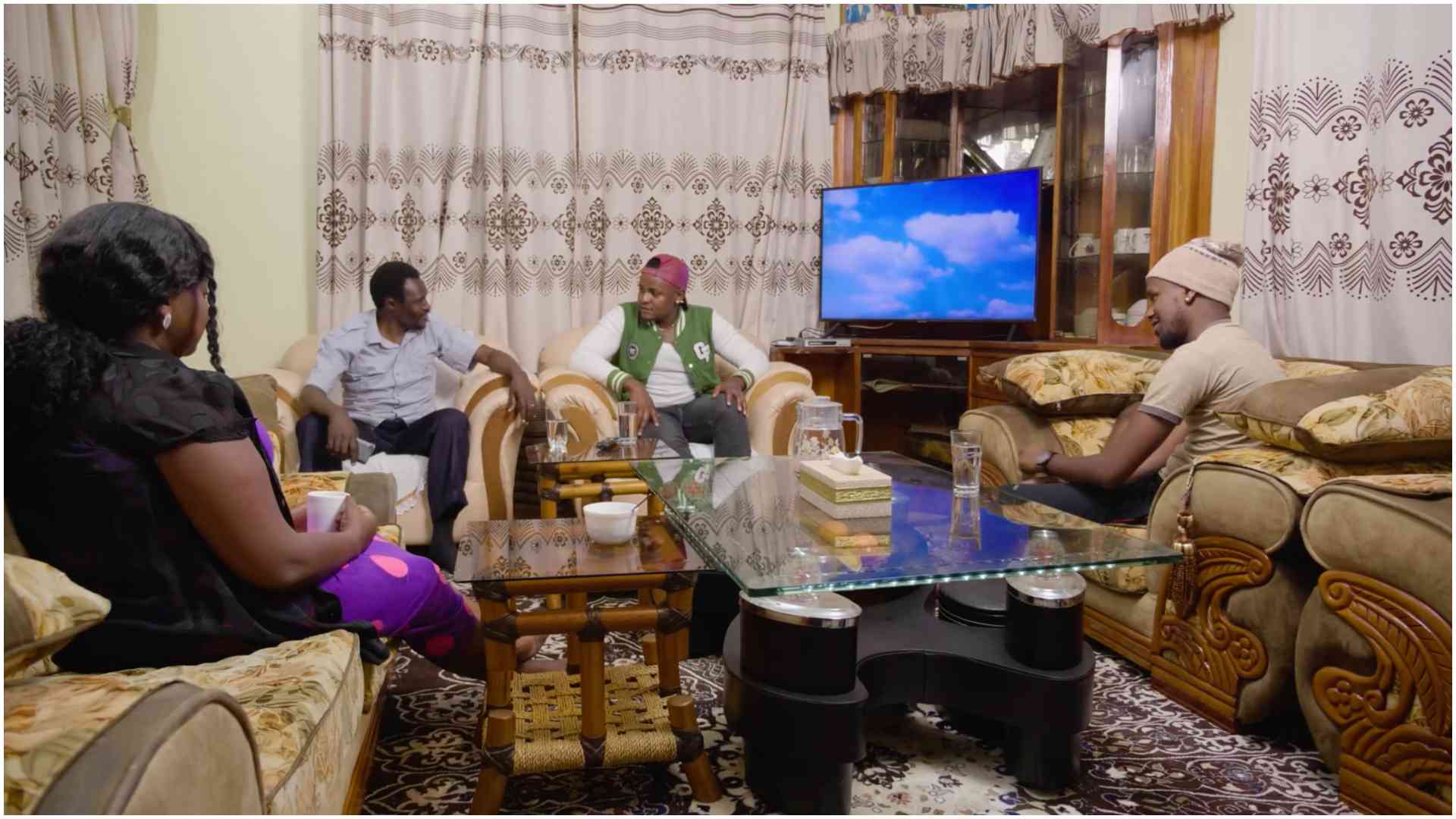
He says the characters are not fighting against their culture but are fighting within it. The firstborn who carries the weight of expectation isn’t rejecting his roots; he wants to define himself outside of his father’s legacy.
“He is trying to find out which parts of those roots are truly his and which were handed to him. Njenga, as much as he recognises hierarchy, seeks to stand on his own and be recognised,” he says.
In modern families, Murunyu says, there is still a compromise between tradition and personal freedom. Younger generations tend to question inherited norms while tied to them in subtle ways; therefore, it is not a clean break from tradition.
Inheritance, he notes, is one of those subjects that every Kikuyu family understands intimately, whether they speak openly about it or not. With it, the film reveals the theme of belonging. “The real inheritance being fought over is belonging. Who belongs to this family? Who does this family belong to?” he poses.
He says family is the first place where people encounter power dynamics on who holds it and who doesn’t, and how it is exercised.
While the story is based on the Kikuyu culture, he notes that land, inheritance, and firstborn pressure are not uniquely Kikuyu experiences.
Murunyu says a cultural story shouldn’t be diluted to appeal to every audience, as authentic storytelling would make it relatable.
Audiences, he says, are increasingly drawn to stories that reflect their lived experiences. When those stories are told with authenticity and care, they show up. The film also challenges the assumption that vernacular cinema is of low quality.
“We set out to challenge the idea that vernacular films must be within a limited scope. This film has cinematic quality while embracing the Kikuyu language and culture,” he says.
He envisions vernacular cinema one day not to be a niche but as central to the future of storytelling.
Directed by Murunyu and Macharia, the film was shot in 2020 during the Covid-19 pandemic in Kikuyu, Ruaraka and Ruiru. The pandemic restricted them from movement and interaction but gave the film a deeper sense of intentionality in every decision made on set.
“We wanted audiences to watch and find themselves in more than one person because in real Kikuyu families, we play multiple roles,” he says.
He continues: “We wanted them to feel that uncomfortable recognition. We wanted them to say that this is like their family or like their story. That is where the real conversation begins.”