



Audio By Vocalize
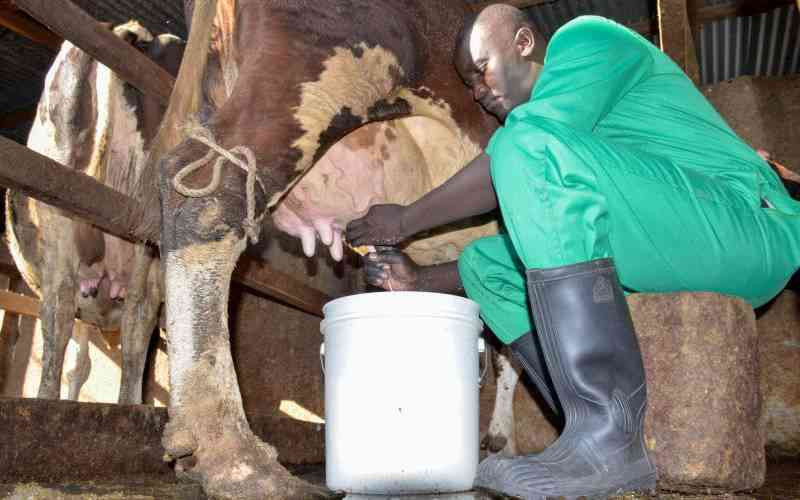
Cow’s milk, like that of all other mammals, provides a complete source of nutrition for their young and is a primary human food, processed into a variety of products.
Milk is a distinctive biological secretion whose composition varies across species, breeds, stages of lactation, feed consumed, and the season during which it is produced.
It is one of the most complete foods found in nature – for this reason, young ones can solely rely on milk for all their nutritional needs. Major constituents of cow’s milk are water, fat, protein, lactose, minerals and vitamins.
Water makes up 87 per cent of a cow’s milk by composition. Because of this, milk is effective at quenching thirst and serves as a hydrating food, thanks to its rich nutritional value.

Fat, proteins, minerals, and vitamins make up the remaining 13 per cent. The latter are either dissolved, dispersed, or emulsified in milk. These features also influence the processing methods milk undergoes to produce various products. Fat forms 3-4 per cent of milk by composition. This is the source of energy from milk. Milk is also rich in vitamins A, D, E and K. The fatty particles in milk are normally broken down and uniformly dispersed through the process of homogenisation to improve the texture of milk and also lengthen its shelf life. Cow’s milk contains about 3.4 per cent protein. The two groups of protein found in milk are caseins and whey. Lactose is the principal carbohydrate in milk, present at approximately 4.6-5 per cent in cow’s milk. Lactose contributes approximately 40 per cent of the total calories in whole cow’s milk and gives milk its mildly sweet taste.
Beyond energy provision, lactose has specific functional benefits. In infants, lactose passes into the colon, where it promotes the growth of beneficial lactic acid bacteria, supporting gastrointestinal health.
Does milk composition vary?
Lactose also assists in calcium absorption, which enhances its nutritional value beyond its role as a simple energy source. However, individuals who lack sufficient lactase enzyme experience lactose intolerance – a condition where undigested lactose ferments in the gut, causing gas, bloating, and discomfort. Lactose-free milk addresses this by adding lactase enzyme before packaging, breaking lactose down while retaining the full nutrient profile. Cow’s milk contains calcium, phosphorus, magnesium, sodium, zinc, iodine and selenium, which are crucial in bone formation, fertility, and maintaining the osmotic balance.
Yes, milk varies across species, breed, stage of lactation, feed and season during which it is produced. Farmers need to take note of this, as this determines the final taste of milk and will affect the market preferences. Milk composition is not fixed; it responds to a range of biological and environmental factors. The quantities of the main milk constituents can vary considerably depending on the individual animal, its breed, stage of lactation, age, and health status. Animal husbandry, feed quality, and seasonal changes also contribute to variations in milk composition. Contaminants like antibiotics and pesticides can also modify milk composition and affect its functional properties. The most variable milk constituent across breeds and individuals is fat, which is strongly influenced by genetics and diet. Beyond species, the breed also plays a key role. Holstein cows, for instance, produce higher milk volumes with lower fat content compared to Jerseys, which yield smaller quantities of milk that is richer in fat and total solids.
Human milk contains only 1.1 per cent protein and 7.0 per cent lactose, whereas cow’s milk provides 3.4 per cent protein and 4.6 per cent lactose. Buffalo milk has notably higher fat (around 6-8 per cent) and total solids compared to cow’s milk, making it particularly suitable for rich dairy products like paneer and ghee. Sheep milk has the highest protein and fat content, making it ideal for hard cheeses and yoghurt. Camel milk is richer in vitamin C than cow’s milk and contains higher levels of fats and B vitamins.
[Dr Othieno is a veterinary surgeon and currently the head of communications at the Food and Agriculture Organisation of the United Nations (FAO) Kenya. The views expressed here are not necessarily those of FAO but his own]
Support Independent Journalism
Stand With Bold Journalism.
Stand With The Standard.
Continue
→
Pay via
Secure Payment
Kenya’s most trusted newsroom since 1902
Follow The Standard
channel on WhatsApp
Cow’s milk
, like that of
all
other mammals, provides a complete source of nutrition for their young and is a primary human food, processed into a variety of products.
Milk
is a distinctive biological secretion whose composition varies across species, breeds, stages of lactation, feed consumed, and the season during which it is produced.
It is one of the most complete foods found in nature – for this reason, young ones can solely rely on
milk
for
all
their nutritional
needs
. Major constituents of
cow’s milk
are water, fat, protein, lactose, minerals and vitamins.
Water makes up 87 per cent of a
cow’s
milk
by composition. Because of this,
milk
is effective at quenching thirst and serves as a hydrating food, thanks to its rich nutritional value.
Fat, proteins, minerals, and vitamins make up the remaining 13 per cent. The latter are either dissolved, dispersed, or emulsified in
milk
. These features also influence the processing methods
milk
undergoes to produce various products. Fat forms 3-4 per cent of
milk
by composition. This is the source of energy from
milk
.
Milk
is also rich in vitamins A, D, E and K. The fatty particles in
milk
are normally broken down and uniformly dispersed through the process of homogenisation to improve the texture of
milk
and also lengthen its shelf life.
Cow’s
milk
contains
about
3.4 per cent protein. The two groups of protein found in
milk
are caseins and whey. Lactose is the principal carbohydrate in
milk
, present at approximately 4.6-5 per cent in
cow’s
milk
. Lactose contributes approximately 40 per cent of the total calories in whole
cow’s
milk
and gives
milk
its mildly sweet taste.
Beyond energy provision, lactose has specific functional benefits. In infants, lactose passes into the colon, where it promotes the growth of beneficial lactic acid bacteria, supporting gastrointestinal health.
Does milk composition vary?
Lactose also assists in calcium absorption, which enhances its nutritional value beyond its role as a simple energy source. However, individuals who lack sufficient lactase enzyme experience lactose intolerance – a condition where undigested lactose ferments in the gut, causing gas, bloating, and discomfort. Lactose-free
milk
addresses this by adding lactase enzyme before packaging, breaking lactose down while retaining the full nutrient profile.
Cow’s
milk
contains calcium, phosphorus, magnesium, sodium, zinc, iodine and selenium, which are crucial in bone formation, fertility, and maintaining the osmotic balance.
Yes,
milk
varies across species, breed, stage of lactation, feed and season during which it is produced. Farmers
need
to take note of this, as this determines the final taste of
milk
and will affect the market preferences.
Milk
composition is not fixed; it responds to a range of biological and environmental factors. The quantities of the main
milk
constituents can vary considerably depending on the individual animal, its breed, stage of lactation, age, and health status. Animal husbandry, feed quality, and seasonal changes also contribute to variations in
milk
composition. Contaminants like antibiotics and pesticides can also modify
milk
composition and affect its functional properties. The most variable
milk
constituent across breeds and individuals is fat, which is strongly influenced by genetics and diet. Beyond species, the breed also plays a key role. Holstein cows, for instance, produce higher
milk
volumes with lower fat content compared to Jerseys, which yield smaller quantities of
milk
that is richer in fat and total solids.
Human
milk
contains only 1.1 per cent protein and 7.0 per cent lactose, whereas
cow’s
milk
provides 3.4 per cent protein and 4.6 per cent lactose. Buffalo
milk
has notably higher fat (around 6-8 per cent) and total solids compared to
cow’s
milk
, making it particularly suitable for rich dairy products like paneer and ghee. Sheep
milk
has the highest protein and fat content, making it ideal for hard cheeses and yoghurt. Camel
milk
is richer in vitamin C than
cow’s
milk
and contains higher levels of fats and B vitamins.
[Dr Othieno is a veterinary surgeon and currently the head of communications at the Food and Agriculture Organisation of the United Nations (FAO) Kenya. The views expressed here are not necessarily those of FAO but his own]
Follow The Standard
channel on WhatsApp
By Dr Joseph Othieno