



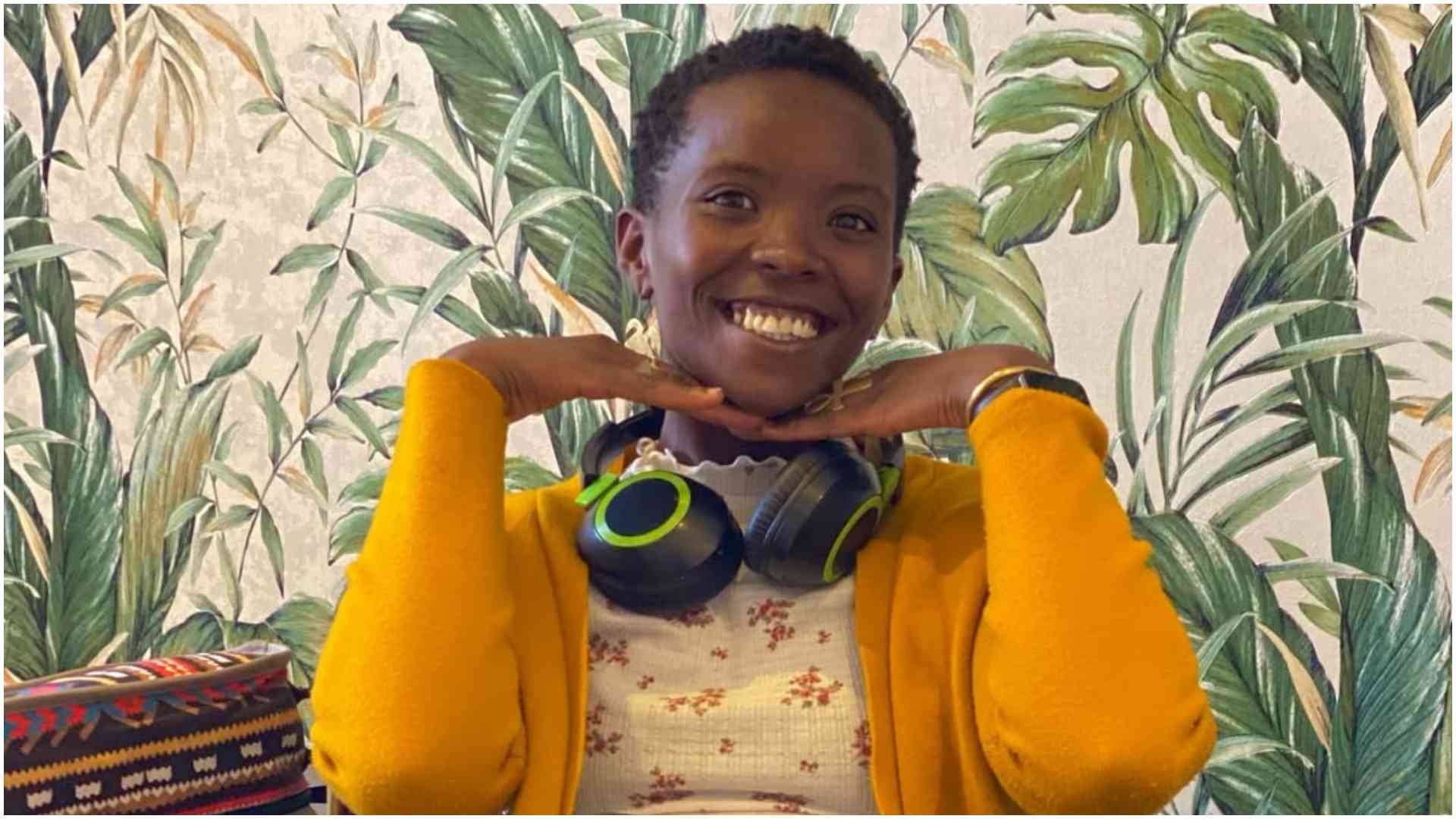
For many artistes, the realisation of talent arrives like a lightning bolt. For rising singer Muringi Matheri, however, the journey was more of a steady sunrise.
Growing up surrounded by a rich musical background and language, she initially saw her gift as something natural and everyday.
It was only when she noticed how deeply others connected to her expressions that she realised her voice was more than just a sound, it was a bridge.
“I grew up surrounded by culture, language, and music, so at first, it felt very natural. But over time, I started noticing how people connected to my voice and what I was expressing. It made me realise that it wasn’t just about singing. There was something deeper in it,” she says.
The true turning point came when she decided to embrace her roots fully.
By singing in Gikuyu, she found a way to link traditional culture with a modern, younger audience.
This choice transformed her music from a hobby into a life purpose. The Maya Mothe singer adds that her growth has not been a straight line; instead, it has come in layers of doubt and experimentation.
“Singing in my native language and still connecting with young people showed me that this was more than talent. It felt like purpose. My growth has come in layers. I have gone through phases of doubt, experimentation, and learning. I have had to unlearn perfection and choose honesty in my work. Every stage has shaped me into a more grounded and intentional artist,” she says.
Being a singer for years, she describes her creative voice as a blend of the old and the new.
While her work is deeply rooted in Gikuyu tradition, she shared that she expresses it in a way that feels current and relatable.
“My creative voice is rooted in culture but open. I draw a lot from traditional sounds, but I express them in a way that feels current and relatable. At the core of my work is connection. I create from a real place, and I want people to feel something honest when they listen,” she said.
The Ngukaira Jehova singer is also quick to challenge the idea that culturally rooted music is outdated, arguing instead that culture is a living, evolving force that gives her work its unique identity.
“A lot of people assume that culturally rooted music is limiting or outdated. I see it differently. Culture is not static. It grows and evolves. For me, it is one of the richest spaces to create from. It gives depth and identity to the work,” the Wendo Muthaka singer said.
Muringi Matheri is amongst six Kenyan musicians who were officially introduced as finalists for an intensive six-month program dubbed Base to Billboardz (B2B).
The other selected artistes include; Manasseh Shalom, Zawadi Mukami, Chris Barr, Peter Njuguna and Ras Amor. Unlike the brand’s previous singing competition, Tusker Project Fame, which focused on beginners, B2B is designed specifically for active musicians who already have an established following.
She points out the technical skill she was eager to overcome in the program saying, “I wanted to work on consistency and how I respond to difficulty. I realised that when something felt hard, I would sometimes pull back instead of pushing through. I wanted to build the discipline to stay present in the process, even when it is uncomfortable.”
She adds that her primary goal was to build the discipline to stay present during difficult moments rather than pulling back.
As one of only two women in a group of six artistes, she says that she had to learn to take up space without shrinking or overcompensating.
Looking ahead, the vision is about more than just fame. “After Base to Billboardz, I see myself performing on bigger stages, reaching more people, and building a strong brand that is still rooted in authenticity. I also want balance. To grow in my career while still being present in my life as a mother and as a person,” she says.