



Audio By Vocalize


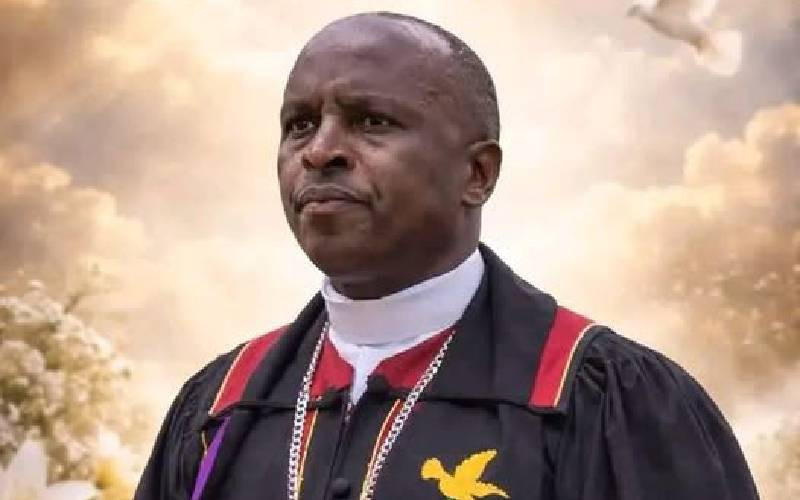
He was bound. Then killed. And it happened in the manse, the minister’s house. On the night of May 4, Reverend Julius Ngari Ndumia of Tabuga Parish in the Presbyterian Church of East Africa was murdered. But this is more than a crime story. It is a wound upon a sacred space, a national moment that demands far more than passing shock. It demands a reckoning.
The location of this murder matters as much as the murder itself. The manse is a house set apart, where a minister kneels in the dark and prays for people who may never know those prayers were offered, where sermons are wrestled with in silence before they are preached on Sunday, where one retreats into the shelter of family between the relentless demands of a calling. It is holy ground in the most ordinary sense.
When criminals enter that space, the trespass is not merely criminal. It is a desecration. It is a rejection of God conducted on consecrated ground. The nation that shrugs and moves on has not simply failed to protect a citizen. It has indicated what it thinks of the sacred. The question that history sharply asks is: what kind of nation kills those who kept it human, and then discovers too late that it has lost its own reflection?
When you murder a pastor, you murder a man. But you also murder a prophet, God’s mouthpiece to a people. The community becomes one where God has been silenced, or worse, one in which the only god still speaking is the one who agrees with the crowd.
A prophet represents a society’s living sense of the sacred, its insistence that there is a reality beyond the transactional, a standard beyond the convenient. Remove that voice, and you have not merely lost a preacher. You have removed a moral pressure point from the life of a nation and left a silence that the wrong voices will rush to fill.
There is something that refuses to lift about this particular crime: the killer’s wound was at the neck, the same neck that bore the clerical collar, that public mark of a life set apart, that announces to a community: this one belongs to God and to you.
John the Baptist was beheaded at a dinner party, not because of a dancing girl, but because he had said “it is not lawful,” and power cannot survive that sentence from a man it cannot buy.
Jesus himself named the pattern with devastating precision: “Jerusalem, Jerusalem, you who kill the prophets and stone those sent to you.” Prophet silencing is what a certain kind of society does when the sacred refuses to agree with it.
When a minister is murdered, the nation loses more than a man. It loses a function. Every society depends on those who stand between its brokenness and something higher, and plead. The minister is the community’s burden-bearer, the one to whom people bring what they cannot bring anywhere else: the weight of grief, the shame of failure, the confusion of suffering, the fear of death. He absorbs what the market cannot price and the state cannot process and returns it transformed as hope.
When that burden-bearer falls, the weight does not disappear. It simply returns to the shoulders of the many, unlifted, unshared.
The minister, in the prophetic function, speaks truth, whether that truth is welcome or not. He stands in the pulpit, which is a public square, not merely a religious platform, and calls a society to account.
Wherever a prophetic voice is murdered, the question must be asked, not only who held the weapon, but what the victim was saying that they needed to stop.
The minister is a society’s anchor to the sacred, the living argument that human existence is not exhausted by the visible, the measurable, or the transactional.
In a Kenya increasingly organised around money, survival, and the performance of success, the minister stands for a different ordering of life. His presence says: there is a dimension to your existence that cannot be bought, and it matters. His murder is not merely a crime. It is, symbolically, a declaration that the sacred can be violated with impunity. That even the space where a community brings its deepest longings is no longer safe.
We are quick, in the aftermath of such deaths, to ask what lessons we can learn. But lessons can be filed away, referenced occasionally, and forgotten. The deeper question is this: how do we take the vision this man carried, still warm, and extend it intentionally without reducing him to just another minister who died too soon?
The assignment of the called does not die with the man. It transfers to the community that received him, to the church that sent him, to the nation that benefited from his presence and now must decide whether it was paying attention.
The murder of a minister is a public event with public consequences. It demands more than a trial. It demands a national interrogation of what we have allowed to become normal, and what we are prepared to do to reverse it.
A state that cannot protect the prophets has already begun to lose the argument for its own legitimacy.
The blood of a priest is not a silencer. It is a summons. It does not shrink the living. It emboldens them. It does not send the church into hiding; it sends the church into the streets. When the Ugandan martyrs were burned on the hill of Namugongo, the flame that consumed them lit a fire across East Africa that has not gone out. You cannot kill a calling by killing the one who carries it.
This is, therefore, the moment for the church, not to mourn quietly behind closed doors, not to issue careful statements, not to wait for the state to act first. This is the moment to rise. To go to the streets, even join the Gen Z, in cassocks and robes, in collars and vestments, visibly and publicly, as the people of God who will not be intimidated into silence.
The collar that was torn from one neck must now appear on one thousand necks in the public square. The voice that was bound in one manse must now speak from every pulpit, every marketplace. When the church retreats in the face of violence against its own, it does not preserve itself. It surrenders the ground it was placed on earth to hold. And the ground, once surrendered, does not wait.
The blood of the martyrs has always been the seed of the church. Let the murder of a prophet become the making of a movement.
The darkness that silenced one light has no answer for what happens when every light that remains decides to burn brighter.
.std-banner-wrap {
max-width: 100%;
width: 100%;
position: relative;
margin: 2.5rem 0 2rem;
font-family: Georgia, ‘Times New Roman’, serif;
}
.std-top-rule {
display: flex;
height: 4px;
}
.std-top-rule .r1 {
background: #CC0000;
flex: 3;
}
.std-top-rule .r2 {
background: #C9A84C;
flex: 1;
}
.std-top-rule .r3 {
background: #0D0D0D;
flex: 6;
}
.std-banner {
background: #F9F5F0;
padding: 2rem 2.2rem 1.8rem;
position: relative;
overflow: hidden;
box-shadow: 0 4px 24px rgba(0, 0, 0, 0.10), 0 1px 0 #C9A84C;
border-left: 4px solid #CC0000;
}
.std-banner::before {
content: ‘S’;
position: absolute;
right: -1rem;
top: -2rem;
font-family: Georgia, serif;
font-size: 14rem;
font-weight: 900;
color: rgba(204, 0, 0, 0.04);
line-height: 1;
pointer-events: none;
user-select: none;
}
.std-eyebrow {
display: inline-flex;
align-items: center;
gap: 0.5rem;
font-size: 0.62rem;
font-weight: 700;
letter-spacing: 0.2em;
text-transform: uppercase;
color: #CC0000;
margin-bottom: 0.85rem;
font-family: Arial, sans-serif;
}
.std-eyebrow::before {
content: ”;
display: block;
width: 18px;
height: 1.5px;
background: #CC0000;
}
.std-banner-title {
font-family: Georgia, ‘Times New Roman’, serif;
font-size: clamp(1.3rem, 3.5vw, 1.75rem);
font-weight: 900;
color: #0D0D0D;
line-height: 1.2;
margin: 0 0 0.75rem;
letter-spacing: -0.02em;
}
.std-banner-title .std-hl {
color: #CC0000;
font-style: italic;
}
.std-divider {
display: flex;
align-items: center;
gap: 0.6rem;
margin-bottom: 0.9rem;
}
.std-divider::before,
.std-divider::after {
content: ”;
flex: 1;
height: 1px;
background: #d8d0c6;
}
.std-divider-dot {
width: 6px;
height: 6px;
border-radius: 50%;
background: #CC0000;
flex-shrink: 0;
}
.std-banner-body {
font-size: 0.97rem;
line-height: 1.7;
color: #2C2C2C;
font-weight: 400;
margin: 0 0 1.4rem;
font-family: Georgia, serif;
}
.std-banner-body strong {
font-weight: 700;
color: #0D0D0D;
}
.std-cta-row {
display: flex;
align-items: center;
gap: 1rem;
flex-wrap: wrap;
margin-bottom: 1.2rem;
}
.std-btn-subscribe {
display: inline-flex;
align-items: center;
gap: 0.6rem;
background: #CC0000;
color: #fff !important;
font-family: Arial, sans-serif;
font-size: 0.8rem;
font-weight: 700;
letter-spacing: 0.1em;
text-transform: uppercase;
padding: 0.72rem 1.5rem 0.72rem 1.3rem;
border: none;
cursor: pointer;
text-decoration: none !important;
border-bottom: none !important;
position: relative;
overflow: hidden;
transition: background 0.2s ease, transform 0.15s ease, box-shadow 0.2s ease;
box-shadow: 0 4px 16px rgba(204, 0, 0, 0.3);
clip-path: polygon(0 0, calc(100% – 10px) 0, 100% 50%, calc(100% – 10px) 100%, 0 100%);
padding-right: 1.8rem;
}
.std-btn-subscribe:hover,
.std-btn-subscribe:focus,
.std-btn-subscribe:visited,
.std-btn-subscribe:active {
background: #A00000 !important;
color: #fff !important;
transform: translateY(-1px);
box-shadow: 0 6px 22px rgba(204, 0, 0, 0.4);
text-decoration: none !important;
border-bottom: none !important;
outline: none;
}
.std-btn-subscribe:active {
transform: translateY(0);
}
.std-btn-arrow {
display: inline-block;
font-size: 1rem;
line-height: 1;
transition: transform 0.18s ease;
}
.std-btn-subscribe:hover .std-btn-arrow {
transform: translateX(3px);
}
.std-dismiss {
font-size: 0.75rem;
color: #999;
background: none;
border: none;
border-bottom: 1px dashed #ccc;
padding: 0 0 1px;
cursor: pointer;
font-family: Georgia, serif;
letter-spacing: 0.03em;
transition: color 0.2s;
}
.std-dismiss:hover {
color: #333;
border-bottom-color: #333;
}
/* Payment logos */
.std-payment-row {
display: flex;
align-items: center;
gap: 0.45rem;
flex-wrap: wrap;
padding-top: 1rem;
border-top: 1px solid #e0d9d0;
margin-bottom: 0.7rem;
}
.std-pay-label {
font-size: 0.6rem;
color: #aaa;
letter-spacing: 0.14em;
text-transform: uppercase;
font-family: Arial, sans-serif;
margin-right: 0.2rem;
white-space: nowrap;
}
.std-pay-badge {
display: inline-flex;
align-items: center;
justify-content: center;
height: 24px;
padding: 0 0.5rem;
border-radius: 3px;
border: 1px solid #e0d7ce;
background: #fff;
box-shadow: 0 1px 3px rgba(0, 0, 0, 0.05);
}
/* M-Pesa */
.std-mpesa-text {
font-family: Arial, sans-serif;
font-size: 0.7rem;
font-weight: 900;
}
.std-mpesa-m {
color: #39b74a;
}
.std-mpesa-dash {
color: #db3939;
}
.std-mpesa-p {
color: #39b74a;
}
/* Visa */
.std-visa-text {
font-family: ‘Times New Roman’, Times, serif;
font-size: 0.82rem;
font-weight: 900;
font-style: italic;
color: #1a1f71;
letter-spacing: -0.03em;
}
/* Mastercard */
.std-mc-wrap {
position: relative;
width: 28px;
height: 16px;
}
.std-mc-left {
width: 16px;
height: 16px;
border-radius: 50%;
background: #eb001b;
position: absolute;
left: 0;
top: 0;
}
.std-mc-right {
width: 16px;
height: 16px;
border-radius: 50%;
background: #f79e1b;
position: absolute;
right: 0;
top: 0;
mix-blend-mode: multiply;
}
/* Airtel Money */
.std-airtel-text {
font-family: Arial, sans-serif;
font-size: 0.64rem;
font-weight: 800;
}
.std-airtel-a {
color: #ec2427;
;
}
.std-airtel-m {
color: #dd3436;
font-weight: 600;
}
/* Equitel */
.std-equitel-text {
font-family: Arial, sans-serif;
font-size: 0.6rem;
font-weight: 700;
color: #003087;
letter-spacing: 0.02em;
}
.std-equitel-eq {
color: #e2001a;
}
/* Trust strip */
.std-trust-strip {
display: flex;
align-items: center;
gap: 0.45rem;
flex-wrap: wrap;
}
.std-trust-strip .std-shield {
width: 11px;
height: 11px;
fill: #C9A84C;
flex-shrink: 0;
}
.std-trust-strip span {
font-size: 0.67rem;
color: #aaa;
letter-spacing: 0.03em;
font-family: Arial, sans-serif;
}
.std-trust-strip .std-dot {
width: 3px;
height: 3px;
border-radius: 50%;
background: #ccc;
flex-shrink: 0;
}
/* Bottom rule */
.std-bottom-rule {
height: 2px;
background: linear-gradient(to right, #C9A84C, #CC0000, #0D0D0D);
}
/* Entrance animation */
@keyframes stdSlideUp {
from {
opacity: 0;
transform: translateY(20px);
}
to {
opacity: 1;
transform: translateY(0);
}
}
.std-banner-wrap {
animation: stdSlideUp 0.5s cubic-bezier(0.22, 1, 0.36, 1) both;
}
Support Independent Journalism
Stand With Bold Journalism.
Stand With The Standard.
Continue
→
Pay via
Secure Payment
Kenya’s most trusted newsroom since 1902
Follow The Standard on 

By Rev Edward Buri