



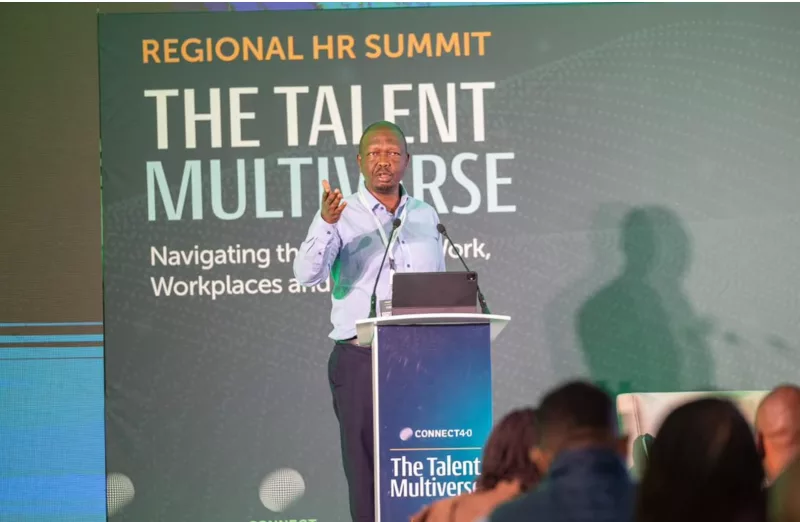
First Assurance Managing Director Stephen Lokonyo, during a forum in Nairobi
Employees have been urged to use employer-sponsored medical insurance
responsibly as unnecessary claims can increase the cost of workplace health
cover.
Stephen Lokonyo, managing director of First Assurance Company, said misuse
of medical insurance affects the wider pool of employees because workplace
policies are based on shared risk.
He said misuse does not always involve deliberate fraud and can include
everyday decisions such as using emergency departments for minor illnesses,
requesting unnecessary medicines or allowing another person to use a medical
card.
“Eventually, treating medical insurance like an unlimited buffet leaves
everyone at the table hungry,” Lokonyo said.
One example is consultation swapping, where an employee allows a friend or
relative who is not covered by the policy to use their medical card.
Employees may also choose expensive specialists or hospital emergency
departments for minor conditions that could be treated by a general
practitioner or through telemedicine.
Lokonyo also warned against pharmaceutical hoarding, including requesting
medicines that are not medically necessary, demanding brand-name drugs when
suitable generic alternatives are available or collecting more medication than
required.
Another concern is unnecessary diagnostic testing or inaccurate billing.
He said employees should be alert to cases where providers recommend tests
that may not be necessary or where medical bills contain charges for services
that were not provided.
When claims rise significantly, employers may face higher premiums when
renewing their medical insurance policies.
Companies may then respond by increasing employees’ co-payments, reducing
coverage limits or removing some additional benefits such as dental and optical
cover.
Higher insurance costs can also put pressure on other areas of company
spending, Lokonyo said.
He urged employees to think of medical insurance as a shared workplace
benefit rather than an unlimited source of healthcare.
This does not mean avoiding medical care when sick. Instead, employees
should use the appropriate level of care for their condition.
Minor illnesses can often be managed through primary healthcare facilities
or telemedicine, while emergency departments should be reserved for genuine
emergencies.
Employees should also check their medical statements and ask questions about
medicines, tests and other charges.
Where appropriate, they can ask healthcare providers about generic medicines
or less expensive treatment options.
Lokonyo also reminded employees that medical cards are issued to individuals
covered by a particular policy and should not be shared with people who are not
covered.
The aim, he said, should be to ensure that workplace medical insurance
remains available when employees face serious illness or other major healthcare
needs.