





University lecturers have rejected the proposed overhaul of tertiary education financing, warning it could shift the cost of running public universities from the Government to students and institutions.
The lecturers, through their union, the Universities Academic Staff Union (UASU), are demanding substantial amendments to the Tertiary Education, Placement and Funding Bill, 2026, rather than mere technical changes.
In submissions to Parliament, UASU says the Bill fails to clearly distinguish between student and institutional financing, potentially paving the way for public universities to shift from Parliamentary funding to student fees and loan proceeds.
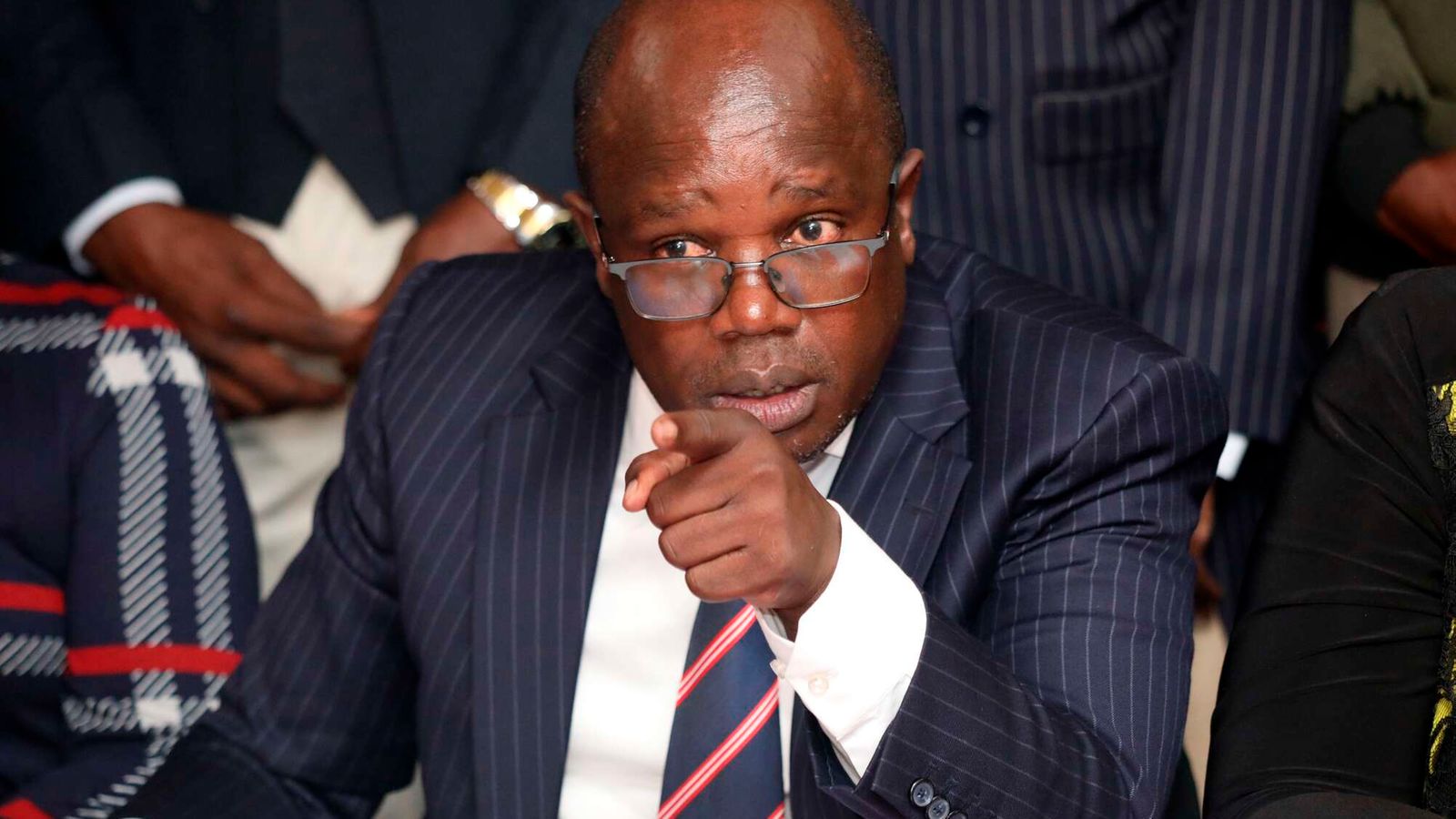
“UASU recommends the Bill be amended to ensure there is clear separation between student financing and institutional or university financing,” said UASU secretary general Constantine Wasonga in the written submissions before the National Assembly committee on Education.
UASU explained student financing and institutional financing are complementary but distinct components of financing the higher education system.
The union warned that a framework that provides financial assistance to students without guaranteeing adequate and predictable funding for universities risks undermining the quality of teaching, research and other services.
Also Read: How varsity funding model confusion has hit new students, parents
The Tertiary Education, Placement and Funding Bill proposes to establish the Tertiary Education Funding Authority (TEFA), bringing together functions currently performed by the Higher Education Loans Board (HELB), Universities Fund (UF) and TVET Funding Board.
The proposed legislation, one of six education reform Bills, also seeks to re-establish the Kenya Universities and Colleges Central Placement Service (KUCCPS) under the new law.
While the proposed legislation is intended to create a more predictable framework for financing students, it contains a major omission by failing to make a clear distinction between student financing and institutional financing.
The union is particularly concerned about references by senior Government officials to the “money follows the student” or student-centred university funding model (SCFM) as the basis for financing universities.
UASU says the model has also been cited by the Salaries and Remuneration Commission (SRC) and public university vice-chancellors in correspondence dated September 18 and 23, 2026, respectively, in explaining the National Treasury’s refusal to commit to financing the 2025-2029 collective bargaining agreements for public universities.
“This is despite the fact that there is no law or statutory instrument declaring the ‘student-centered university funding model (SCFM)’ as the lawful mechanism of funding public universities,” said Dr Wasonga.
The lecturers, who officially began their nationwide strike on Friday after talks with their employer Inter-Public Universities Councils Consultative Forum (IPUCCF) collapsed, argue that tuition and student support do not cover the full cost of providing university education.
Also Read: What next? Collapse of Ruto funding model fails students, varsities
To remedy this, the union demands that the proposed legislation expressly recognize that national collective bargaining obligations affecting public university academic staff are not student costs.
“Otherwise, every collective bargaining cycle will be directly linked to proposed student fees increment,” said Dr Wasonga.
As such, they insist universities require separate and predictable funding for academic staff, teaching, research, infrastructure maintenance and other public-service obligations, including clinical training and services provided by university facilities to public health institutions.
In its submissions, the union is also invoking the constitutional status of university lecturers in public institutions, maintaining they are public officers and should have their remunerations and benefits payable directly from the Consolidated Fund or money provided by Parliament.
The union is consequently asking lawmakers to ensure that a new student-financing architecture does not indirectly alter the status of university staff by transferring salary obligations to individual institutions.
It wants the proposed law to expressly provide that salaries, allowances, pensions, gratuities and collective bargaining agreement obligations of academic staff should not be financed from student fees, loan repayments, TEFA commercial borrowing, private capital or other market-based sources.
Instead, UASU wants a distinct statutory financing stream for public universities covering recurrent personnel costs, teaching, research, clinical training and services, infrastructure maintenance and other public-service obligations.
It also wants Parliament to guarantee funding for staff remuneration, collective bargaining agreements and pensions through Parliamentary appropriations and Exchequer disbursements.
“Without such safeguards, universities could be left to rely on uncertain revenue streams while being expected to maintain the quality and scale of services required by an expanding higher education system,” Dr Wasonga said.
The Union has asked for a full fiscal and institutional impact assessment before the law takes effect, covering the projected cost of student financing as well as the recurrent cost of running public universities.
The union further wants transitional provisions protecting existing students, loans, scholarships, university obligations and staff rights from being adversely affected by the proposed institutional changes.
It has called for any significant changes to university funding criteria to be subjected to transparent consultation, publication of the criteria, regulatory safeguards and parliamentary oversight.
Follow ourWhatsApp channel for breaking news updates and more stories like this.