



Audio By Vocalize
Canada is large in territorial size and small in population. In global power projection, it is a middle power just below the superpowers United States, China, and Russia, and stands higher than many ‘Third World’ countries. Like many in the Conceptual West, it is a ‘developed’ rather than a ‘developing’ country and qualifies as a ‘development partner’ to Kenya and other ‘developing’ countries.
These terms evolved to reflect geopolitical realities, starting in 1949 when US President Harry S. Truman launched his Point IV Programme to aid the “Under-developed” world in the same way that the Marshall Plan had aided Western Europe to escape communist attractions.
After Tom Mboya complained that the term “under-developed” was demeaning, it changed to “developing countries,” which continued to receive “aid”, as client states from master states initially baptised “donors” who later metamorphosed into “development partners”. At times, Canada tried to play mediator between master and client states.
Canada, a British dominion, is internally torn between English and French identities and has suffered mishandling from ‘allies’. Over time, American expansionists such as war-mongering US President Donald Trump behave as if Canada is an anomaly in North America to be absorbed into the United States.
They started the War of 1812 partly to snatch Canada from Britain and failed miserably gaining only in the emergence of a future national anthem and a war hero in Andrew Jackson, who later spread ‘democracy’ for white men. In the first decade of the 20th Century, Americans showed an appetite for Canadian fishing interests, only for Britain to sacrifice Canada to placate US President Theodore Roosevelt. More than a century later, Trump threatens Canada’s independence by referring to its prime minister as governor of the 51st state.
As a middle power, Canada knows how to navigate diplomatic crises. It was responsible for the evolution of the modern Commonwealth system as a club of mostly former British colonies. It helped to solve the dilemma caused by independent India’s desire to be in the Commonwealth without being a British dominion. The solution was for members to recognise the British monarch as head of the Commonwealth but not as head of their respective states. While US Western allies willingly accommodated Teddy Roosevelt’s bullish attitude, they appear reluctant to cave in to Trump’s demands. Canada’s Prime Minister, Mark Carney, seems to lead the resistance to Trump’s anti-establishment behaviour.
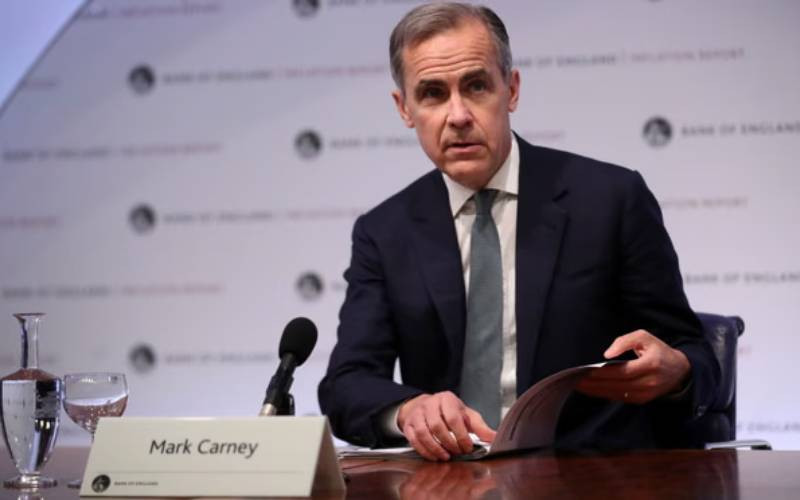
Carney, a former Bank of England Governor and a UN climate change official, is a man of the establishment confronting Trump as an establishment rebel. He had, in 2022, urged African states to forego industrialisation in order to receive carbon credit money from industrialised states who would supervise the operation. He was accused of promoting racist “green colonialism” whose effect was to ensure continuity of underdevelopment in Africa. As prime minister, Carney attracted attention because he upheld the Western establishments against Trump’s disruptions of the post-World War order. He appeared bold at Davos, admitting that some Western policies on the Global South were inappropriate, and also defended Western interests against the Trump ‘rebelliousness’.
Challenging Trump’s geopolitical waywardness which had caused “rupture” elevated Carney into a celebrity around whom the rest of the Conceptual West could rally. He showed others how to respond to Trump’s outrages in civil ways, and to reduce reliance on the United States in terms of defence.
Calling for Middle Powers to join hands to defend their values and attain ‘greater sovereignty’, Carney led the revolt of the Middle Powers against Trump’s rupture and emboldened the West. The European Union, EU, extended an invitation to Canada to become an associate member, Time Magazine considered him to be the person of the year 2026, and rumours spread that Carney was top candidate for the 2026 Nobel Peace Prize. Such an award would slap Trump in the face hard.
Support Independent Journalism
Stand With Bold Journalism.
Stand With The Standard.
Continue
→
Pay via
Secure Payment
Kenya’s most trusted newsroom since 1902
Canada is large in territorial size and small in population. In global power projection, it is a middle power just below the superpowers United States, China, and Russia, and stands higher than many ‘Third World’ countries. Like many in the Conceptual West, it is a ‘developed’ rather than a ‘developing’ country and qualifies as a ‘development partner’ to Kenya and other ‘developing’ countries.
These terms evolved to reflect geopolitical realities, starting in 1949 when US President Harry S. Truman launched his Point IV Programme to aid the “Under-developed” world in the same way that the Marshall Plan had aided Western Europe to escape communist attractions.
After Tom Mboya complained that the term “under-developed” was demeaning, it changed to “developing countries,” which continued to receive “aid”, as client states from master states initially baptised “donors” who later metamorphosed into “development partners”. At times, Canada tried to play mediator between master and client states.
Canada, a British dominion, is internally torn between English and French identities and has suffered mishandling from ‘allies’. Over time, American expansionists such as war-mongering US President Donald Trump behave as if Canada is an anomaly in North America to be absorbed into the United States.
They started the War of 1812 partly to snatch Canada from Britain and failed miserably gaining only in the emergence of a future national anthem and a war hero in Andrew Jackson, who later spread ‘democracy’ for white men. In the first decade of the 20th Century, Americans showed an appetite for Canadian fishing interests, only for Britain to sacrifice Canada to placate US President Theodore Roosevelt. More than a century later, Trump threatens Canada’s independence by referring to its prime minister as governor of the 51st state.
As a middle power, Canada knows how to navigate diplomatic crises. It was responsible for the evolution of the modern Commonwealth system as a club of mostly former British colonies. It helped to solve the dilemma caused by independent India’s desire to be in the Commonwealth without being a British dominion. The solution was for members to recognise the British monarch as head of the Commonwealth but not as head of their respective states. While US Western allies willingly accommodated Teddy Roosevelt’s bullish attitude, they appear reluctant to cave in to Trump’s demands. Canada’s Prime Minister, Mark Carney, seems to lead the resistance to Trump’s anti-establishment behaviour.
Carney, a former Bank of England Governor and a UN climate change official, is a man of the establishment confronting Trump as an establishment rebel. He had, in 2022, urged African states to forego industrialisation in order to receive carbon credit money from industrialised states who would supervise the operation. He was accused of promoting racist “green colonialism” whose effect was to ensure continuity of underdevelopment in Africa. As prime minister, Carney attracted attention because he upheld the Western establishments against Trump’s disruptions of the post-World War order. He appeared bold at Davos, admitting that some Western policies on the Global South were inappropriate, and also defended Western interests against the Trump ‘rebelliousness’.
Challenging Trump’s geopolitical waywardness which had caused “rupture” elevated Carney into a celebrity around whom the rest of the Conceptual West could rally. He showed others how to respond to Trump’s outrages in civil ways, and to reduce reliance on the United States in terms of defence.
Calling for Middle Powers to join hands to defend their values and attain ‘greater sovereignty’, Carney led the revolt of the Middle Powers against Trump’s rupture and emboldened the West. The European Union, EU, extended an invitation to Canada to become an associate member, Time Magazine considered him to be the person of the year 2026, and rumours spread that Carney was top candidate for the 2026 Nobel Peace Prize. Such an award would slap Trump in the face hard.
By Macharia Munene