



Audio By Vocalize
Kenya does not simply have a housing problem. It has an affordability and allocation problem. A house does not become affordable simply because the government calls it affordable.
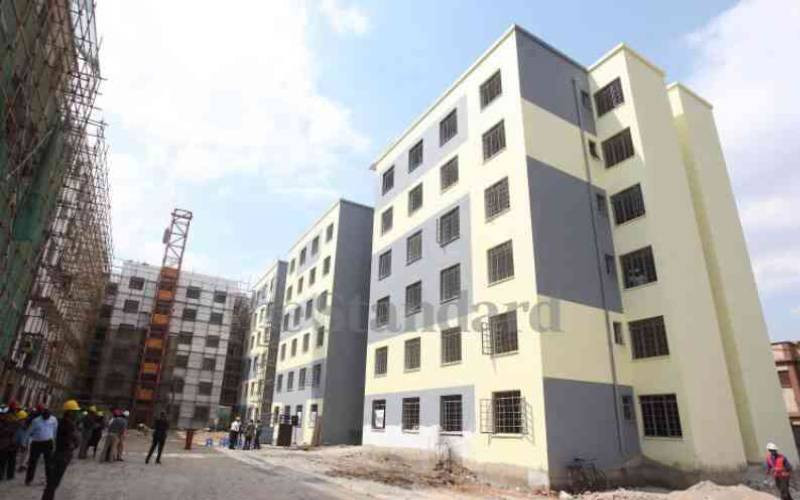
Kenya faces a substantial housing deficit, particularly in its urban areas, where millions continue to live in informal settlements and inadequate housing. The government has responded with an ambitious Affordable Housing Programme, the Affordable Housing Levy established under the Affordable Housing Act, and initiatives aimed at improving access to housing finance.
These are important interventions. But as Kenya builds thousands of homes, a more fundamental question remains: Who are these houses actually for?
The success of affordable housing should not be measured only by the number of units constructed. It should be measured by whether those units reach Kenyans who genuinely need them and whether they remain homes rather than speculative investments.
Singapore’s affordable housing model highlights an important principle: Public housing works best when treated as social policy, not simply as a property transaction.
Singapore’s system considers household circumstances, citizenship, income and property ownership, and heavily subsidised housing carries conditions ensuring it serves its social purpose.
The question for Kenya should therefore not be merely: Can this applicant afford the house?
It should also be: Does this applicant genuinely need the public subsidy?
That distinction matters. Consider two hypothetical applicants. Applicant A earns Sh80,000 a month, already owns a house and applies for a subsidised unit that could become an investment. Applicant B earns Sh50,000, rents a modest dwelling, has three children, owns no property and spends a substantial share of household income on rent and transport. Both may be eligible, but are they equally situated when competing for a publicly supported home?
Income alone may not adequately measure housing need. Household size, current housing conditions, existing property ownership, vulnerability and proximity to employment should also inform allocation.
There is another risk Kenya must confront early: Hoarding and speculation. A subsidised house represents a public investment. If public resources reduce the cost of acquiring a property and that property later appreciates substantially, the beneficiary may capture a significant private gain, creating an incentive to acquire a unit not primarily as a home, but as an asset. The risks include purchasing for investment, failing to occupy the property, using proxies to access multiple benefits, or selling once restrictions expire.
Kenya has already recognised this risk. The Affordable Housing Act restricts the sale of an affordable housing unit without the requisite approval, while the 2025 regulations impose further conditions on resale, including holding-period and eligibility requirements. But the question remains: Are these safeguards strong enough to prevent a public housing subsidy from becoming a private speculative opportunity?
This is not an argument against homeownership. It is an argument for protecting the purpose of the subsidy.
The Affordable Housing Programme has the potential to become one of the most transformative social and economic programmes in Kenya’s history. But the government should not allow its success to be undermined by unfair allocation, multiple ownership or speculation.
Success should not simply be measured by the number of keys handed over at a ceremony. It should be whether those keys went to families that genuinely need them, whether the homes remain affordable, and whether the public subsidy continues to serve a public purpose.
Kenya does not merely need more houses. It needs a housing system that can prove those houses are reaching the people they were built for.
Advocate of the High Court
Support Independent Journalism
Stand With Bold Journalism.
Stand With The Standard.
Continue
→
Pay via
Secure Payment
Kenya’s most trusted newsroom since 1902
Kenya does not simply have a housing problem. It has an affordability and allocation problem. A house does not become affordable simply because the government calls it affordable.
Kenya faces a substantial housing deficit, particularly in its urban areas, where millions continue to live in informal settlements and inadequate housing. The government has responded with an ambitious Affordable Housing Programme, the Affordable Housing Levy established under the Affordable Housing Act, and initiatives aimed at improving access to housing finance.
These are important interventions. But as Kenya builds thousands of homes, a more fundamental question remains: Who are these houses actually for?
The success of affordable housing should not be measured only by the number of units constructed. It should be measured by whether those units reach Kenyans who genuinely need them and whether they remain homes rather than speculative investments.
Singapore’s affordable housing model highlights an important principle: Public housing works best when treated as social policy, not simply as a property transaction.
Singapore’s system considers household circumstances, citizenship, income and property ownership, and heavily subsidised housing carries conditions ensuring it serves its social purpose.
The question for Kenya should therefore not be merely: Can this applicant afford the house?
It should also be: Does this applicant genuinely need the public subsidy?
That distinction matters. Consider two hypothetical applicants. Applicant A earns Sh80,000 a month, already owns a house and applies for a subsidised unit that could become an investment. Applicant B earns Sh50,000, rents a modest dwelling, has three children, owns no property and spends a substantial share of household income on rent and transport. Both may be eligible, but are they equally situated when competing for a publicly supported home?
Income alone may not adequately measure housing need. Household size, current housing conditions, existing property ownership, vulnerability and proximity to employment should also inform allocation.
There is another risk Kenya must confront early: Hoarding and speculation. A subsidised house represents a public investment. If public resources reduce the cost of acquiring a property and that property later appreciates substantially, the beneficiary may capture a significant private gain, creating an incentive to acquire a unit not primarily as a home, but as an asset. The risks include purchasing for investment, failing to occupy the property, using proxies to access multiple benefits, or selling once restrictions expire.
Kenya has already recognised this risk. The Affordable Housing Act restricts the sale of an affordable housing unit without the requisite approval, while the 2025 regulations impose further conditions on resale, including holding-period and eligibility requirements. But the question remains: Are these safeguards strong enough to prevent a public housing subsidy from becoming a private speculative opportunity?
This is not an argument against homeownership. It is an argument for protecting the purpose of the subsidy.
The Affordable Housing Programme has the potential to become one of the most transformative social and economic programmes in Kenya’s history. But the government should not allow its success to be undermined by unfair allocation, multiple ownership or speculation.
Success should not simply be measured by the number of keys handed over at a ceremony. It should be whether those keys went to families that genuinely need them, whether the homes remain affordable, and whether the public subsidy continues to serve a public purpose.
Stay informed. Subscribe to our newsletter
Kenya does not merely need more houses. It needs a housing system that can prove those houses are reaching the people they were built for.
Advocate of the High Court
By Doreen Okwiri