



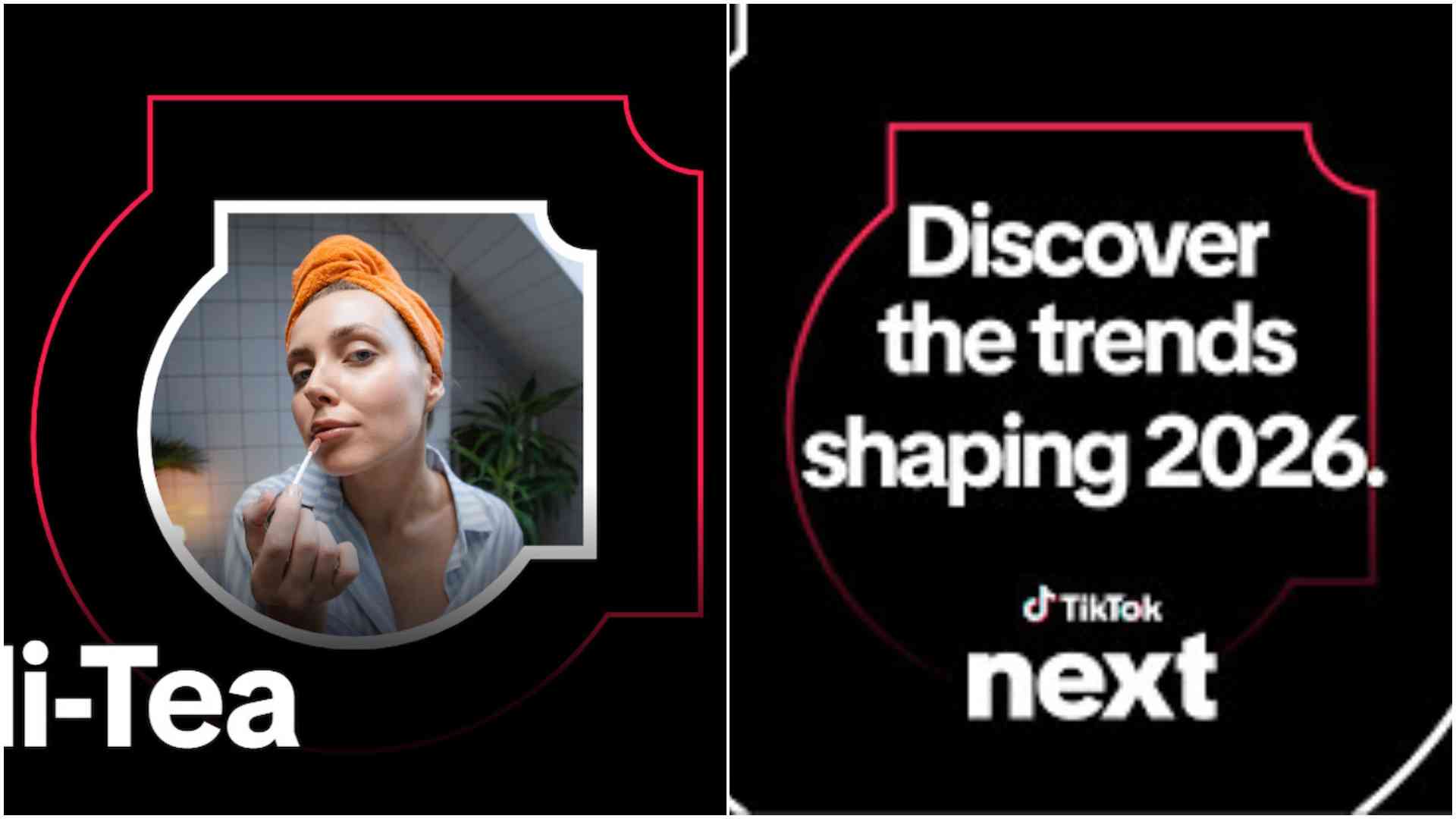
Forget lip-syncs and choreographed dances; TikTok is changing the game again. According to the TikTok 2026 Trend Report, the platform is pivoting away from glossy, aspirational content toward raw, real, and unfiltered human stories. Users no longer just scroll, they are on a hunt for authenticity, curiosity, and emotional connection, forcing brands and creators to rethink how they capture attention in a crowded digital world.
The report, released globally this month, warns that passive scrolling is over. Impulse purchases are fading, and audiences now demand context, proof, and purpose before they engage. For marketers and entertainers alike, the message is clear: polish will not cut it.
TikTok predicts that 2026 will belong to content that feels real, relatable and emotionally rewarding; a seismic shift that’s already shaking up creators and brands in Kenya.
The age of real
TikTok users are now gravitating toward raw, humorous, real-life content, favoring what the platform calls “messy authenticity.”
According to Sofia Hernandez, Global Head of Business Marketing for TikTok; “By 2026, users won’t just scroll—they’ll be in full-on discovery mode, following curiosity and expecting a return on the time they invest. Brands that combine human insight with smarter AI tools and richer data, creating content that feels relevant and genuinely worth engaging with, will win.”
The report groups this thinking into three trend pillars it believes will shape user behavior over the coming year.
First is Reali-TEA, a move away from curated perfection toward lived, recognisably human experiences. TikTok argues that audiences are increasingly sceptical of overly produced brand narratives.
Instead, the brands that resonate will be those willing to show the real work: behind-the-scenes moments, imperfect processes, and people as they actually are, rather than how they are styled for a campaign.
The second pillar, Curiosity Detours, reflects a growing appetite for the niche. As mainstream trends fragment, TikTok sees greater opportunity for brands that align themselves with smaller, more specific interests. Rather than chasing mass appeal, leaning into subcultures and unexpected intersections can create stronger relevance and more meaningful connections.
Finally, there is Emotional ROI. In a climate shaped by economic pressure and digital fatigue, TikTok suggests consumers are asking harder questions about value.
Brands are expected to be clearer not just about what they sell, but why it matters — emotionally as well as functionally — and how it fits into people’s lives.
Taken together, the report signals a cultural correction. After a year of “delulu” optimism and quiet disengagement, users are seeking grounding through honesty, shared experiences, and community.
TikTok predicts that 2026 will be dominated by unfiltered stories and behind-the-scenes content, with brands prioritizing real people and real processes over curated perfection.
Kenya’s TikTok scene reflects this global shift. Raymond Muthee, one of the country’s top-performing creators, focuses on behind-the-scenes videos showing what it takes to be a professional voice artist.
“When I first shared a video showing the behind-the-scenes of voice acting, my account blew up. Since then, I’ve continued getting jobs and requests directly from followers and new users on the platform,” Raymond tells Pulse.
Consistency, he explains, comes from understanding trends. “I use trending audios and monitor what’s popular to guide the direction of my content. This helps me engage users effectively.”
Social media managers like Selfa Kwayera of Standard Group echo this approach. Planning relevant content requires tracking popular hooks, music, and challenges while leveraging analytics to see what resonates.
“I measure success by shares, saves, watch time, follower growth and traffic to key points like profile visits,” Selfa explains.
TikTok in Kenya
TikTok entered Kenya in 2020, during the height of the Covid-19 pandemic, with about 1.5–2 million users.
By late 2025, the platform had grown to 18.4 million users aged 18+, reaching 56.1 per cent of that demographic and 78.5 per cent of internet users. Interestingly, while early adoption skewed female, the majority of users are now male.
From late 2024 to October 2025, TikTok grew by 4.72 million users (+34.6 per cent), with an additional 1.08 million (+6.3 per cent) between July and October. This fueled a 3.3 million rebound across social media, bringing Kenya’s total active accounts to 18.4 million, or 31.8 per cent of the population.
Kenya’s TikTok audience now skews male at 64.5 per cent, compared to 35.5 per cent female, driven by youthful urban adopters shaping content and commerce amid the country’s 43.7 million smartphones.
The Bottom Line
TikTok in Kenya is no longer just a platform for fun lip-syncs or fantasy trends. It has become a space for authenticity, curiosity, and emotional connection.
Brands, creators, and users alike are discovering that showing the real work, exploring niche passions, and providing meaningful value; not just flashy content, drives engagement.