



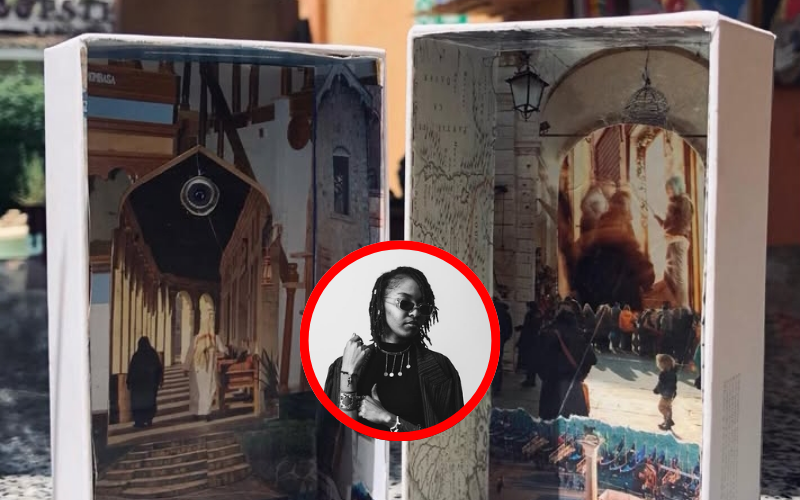
“I build cities in boxes,” Muthoni Mwangi plainly yet poetically describes her newest artistic approach.
The visual research artist travelled to Lamu last year, a place that drew her to its rich history and people. She is now recreating the town in collage pieces within boxes.
Previously, she painted, sculpted and did woodwork before settling on collage art. She then made collages of women on flat canvases; this is a new direction she is taking with her art.
The idea to use boxes came to her unexpectedly, through an ordinary experience of buying a phone charger that came in a small box.
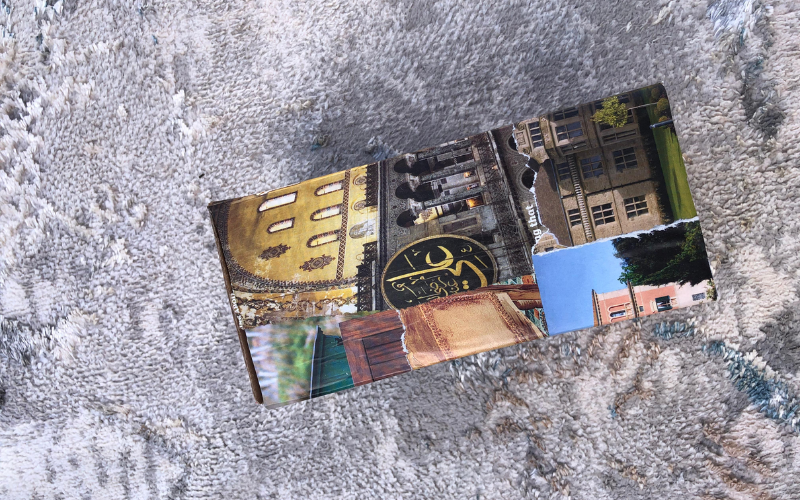

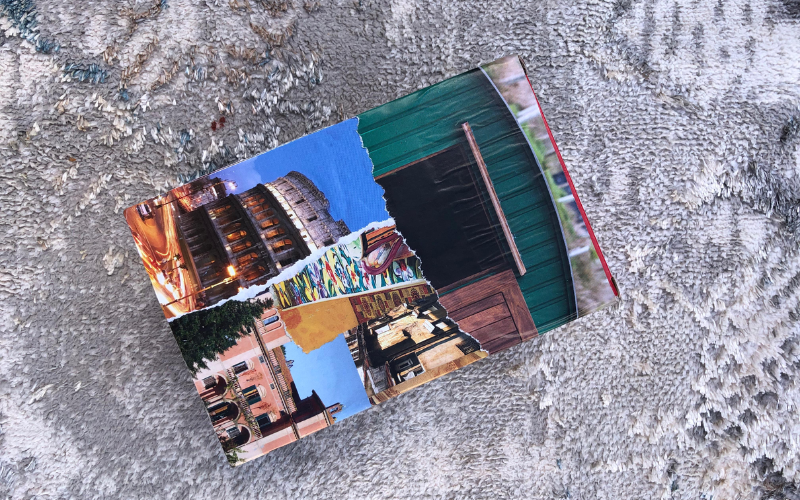
She thought to herself that she could make an artwork inside it, that she could build worlds inside boxes. It became the concept for her new collage series of miniature images of cities around the world inside enclosed spaces, titled Will We Work for Church?
The ongoing series, which represents her creative process as ceremonial and spiritual, is an entry point to her focus on cities. In this one, she shows global architecture, satellites, historic towns and nature.
This edition will follow an exclusive Lamu one that explores its colonisation and gentrification. By creating small, contained cities, Mwangi shows how colonisation claimed and confined these spaces.
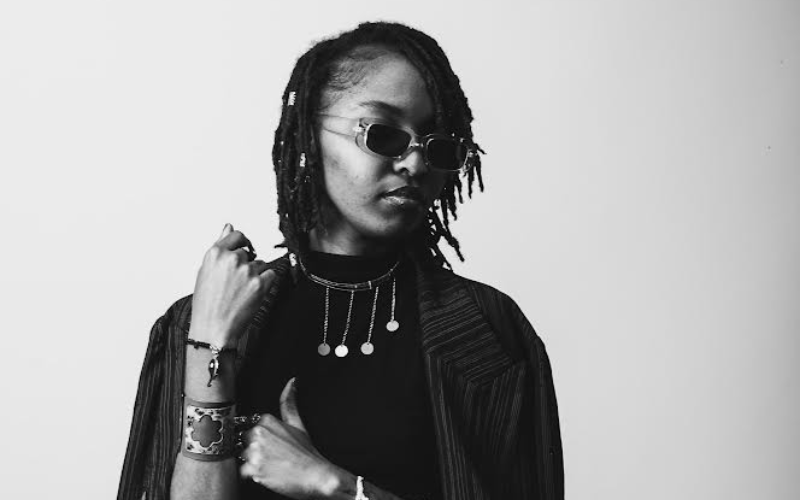
To document the present times, she has been engaging with the community since her first visit, which was a three-week residency with Kids Create Kenya under The African Arts Trust initiative.
Having visited many parts of the coastal town, she explains that her stay in Lamu was spiritual and perfectly timed, and says she is in awe of residents inhabiting their culture.
“They have embraced their culture, are affable and communal, and I feel safe as a woman there. I felt connected to the place on a personal level. I thought, Lamu can be a starting point for me in exploring cities,” she recalls.
Her research for the series was further informed by reading Swahili Origins by James de Vere Allen, who was a curator at Lamu Museum. The book traces the history of the Swahili language and people through eight centuries.
“We speak Swahili, but many of us don’t really know where it comes from, how it moved, or how it evolved. Now we are entering a place where we can learn without changing anything first, and then integrate through culture,” she says.
Her creative process for the series is integration and multidisciplinary community work. She is working closely with documentary filmmaker Mvuko Lewa, who is based in Lamu and documents communities that are not formally recognised by the government. While Lewa is capturing the photographs, Mwangi will make collages out of them inside boxes.
The work circles around time and trauma, themes that have been consistent throughout her practice. She is interested in what has happened through time, past, present and future, and how people are affected.
“Even when I’m talking about culture, the work is still about time and trauma. It is about how the effects of history move through people and how that affects them now,” she says.
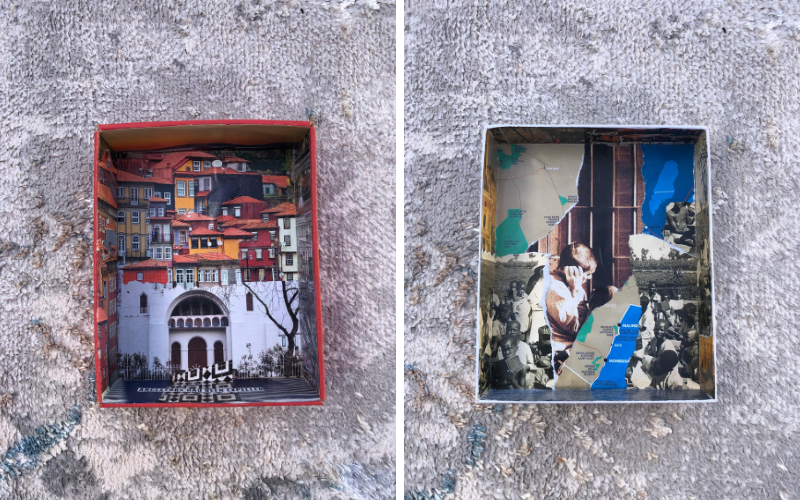
For the entry series, she has used local and international magazines to source images of cities and islands in different parts of the world. Describing herself as a student, she asked many creators to interpret these works in their own way. As she begins to delve into the Lamu edition, she does so with curiosity, letting the inhabitants tell their stories themselves.
Mwangi plans to exhibit in Lamu, secure funding for extended research, and then take the project around the world. She envisions staying there for between six months and a year and leading the research with Lewa.
“This story does not stop at Lamu. I will use the box in all of these cities to show the way histories are confined and told for us. I’m recreating contained worlds that ask how belief systems inhabit and influence space,” she says.