



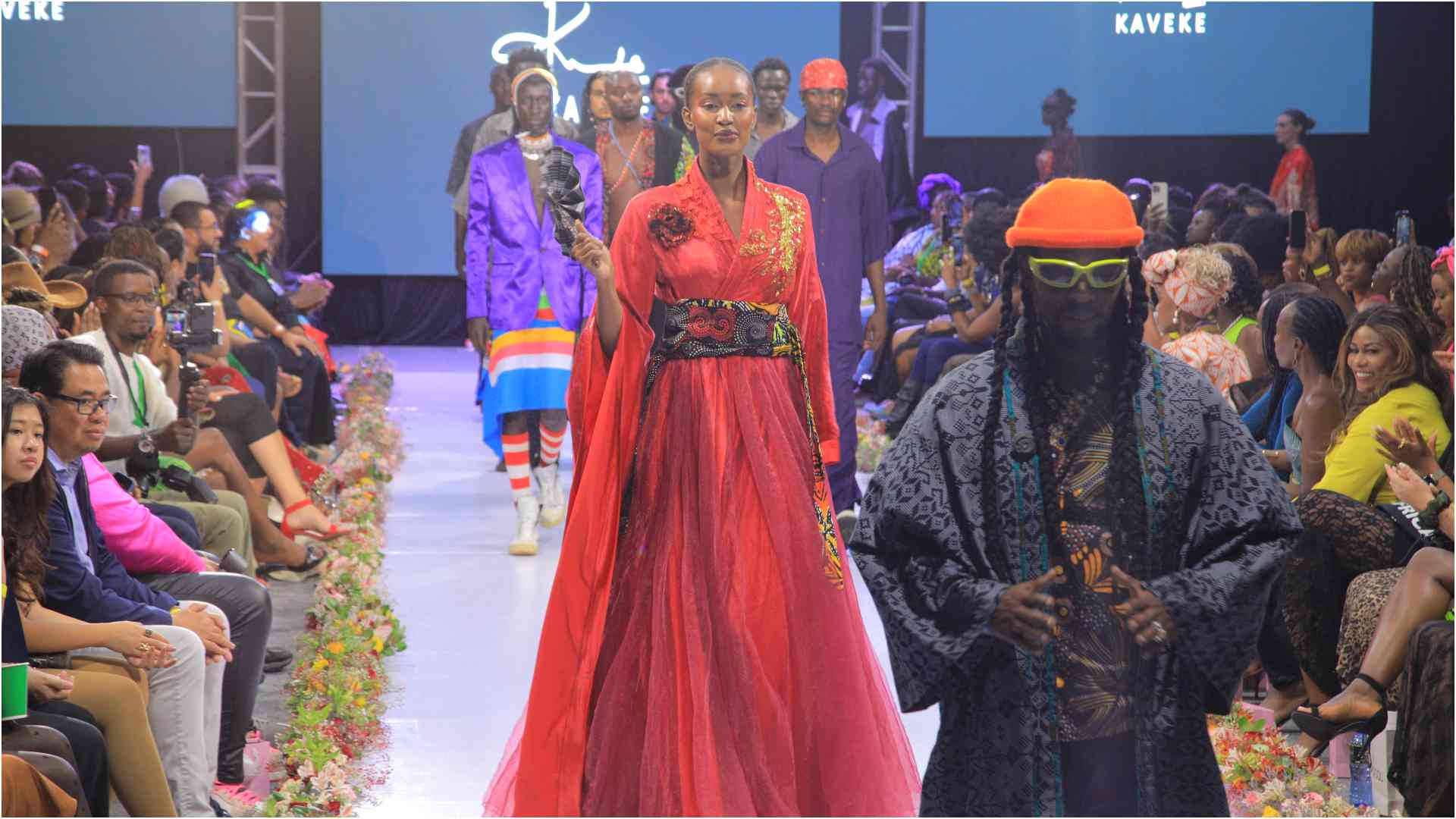
As the Nairobi sky softened into dusk this past weekend, Nairobi Fashion Week opened with a clear statement of intent: this was not just a clothes showcase, but a carefully curated conversation about glamour, sustainability, culture and identity.
The dress code alone signalled the tone of the evening. Guests arrived in bold, eccentric interpretations of “decarbonized” fashion, embracing both environmental consciousness and unapologetic self-expression. It was fashion as philosophy, worn confidently.
This season brought together 13 designers from across the world, transforming the runway into a global crossroads.
What unfolded was a rich cocktail of contrasts: softness and strength, luxury and rawness, restraint and excess. From velvets and linens to Ankara, denim, and upcycled materials, texture emerged as the true star of the night, anchoring each collection in tactile storytelling.
Wani Fuga delivered one of the evening’s most striking moments, quite literally transporting Lagos to Nairobi. The Nigerian brand presented a collection drenched in pinks, greens, and blues, punctuated with shimmers and feathers that felt both celebratory and timeless.

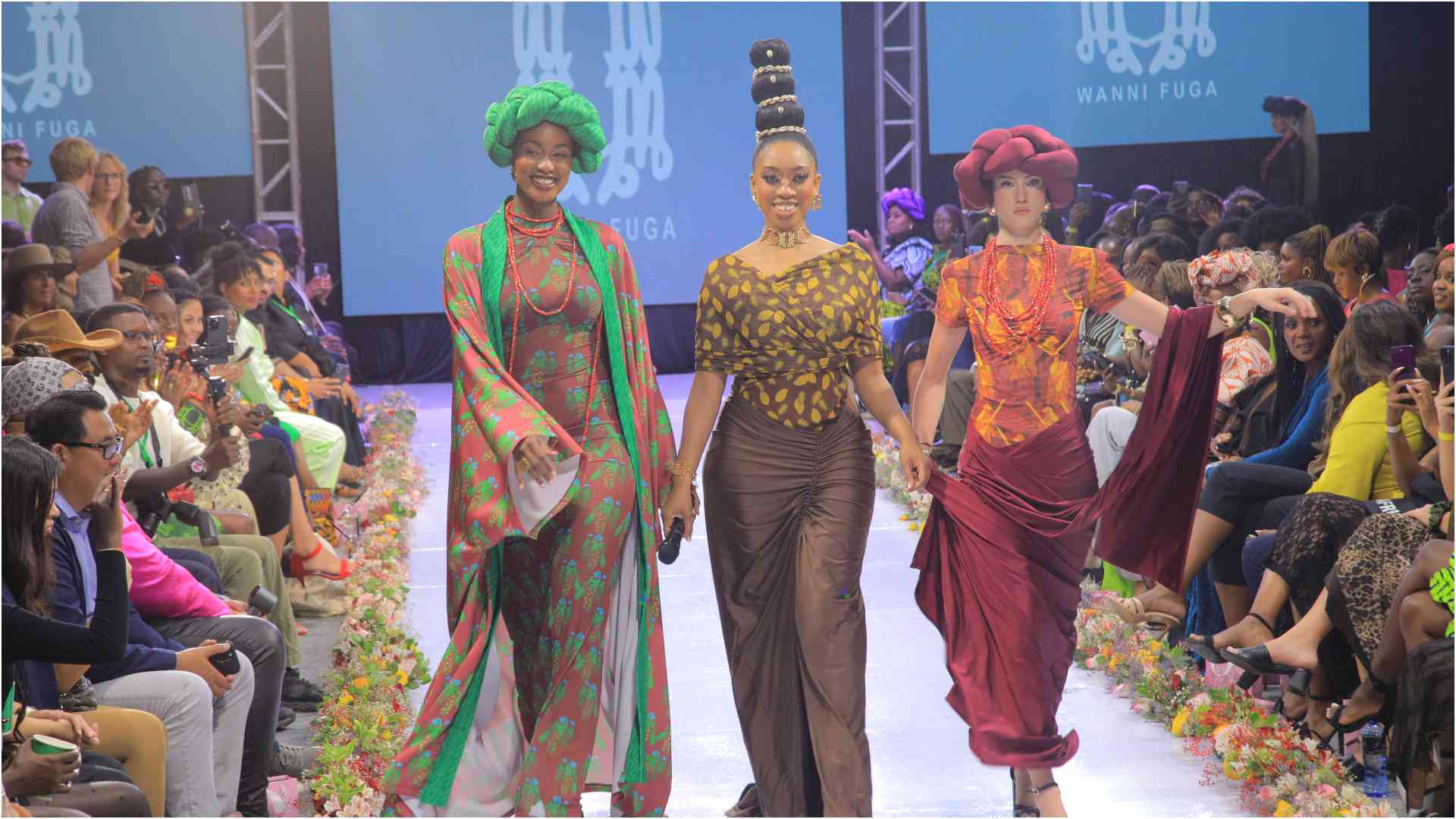
There was an unmistakable confidence in the silhouette’s fashion that did not ask for permission to be seen. Wannifuga’s work stood as a reminder that African luxury is expansive, expressive, and rooted in bold colour narratives.
From across the Atlantic, Acinod, a designer based in the United States, offered a sharp contrast with a day-to-day streetwear collection. Practical yet polished, the pieces spoke to modern urban life effortlessly, were wearable, and grounded.
In a lineup filled with drama and embellishment, Acinod’s restraint was refreshing, proving that simplicity, when done well, holds its own power on the runway.
Sustainability took on a deeply creative form through Upcycled Maisha by Nisra. Staying true to the fashion house’s signature, the collection explored size, texture, and materiality, weaving together denim and unexpected fabrics into a cohesive, colourful story.
This was upcycling elevated beyond concept, thoughtfully constructed, visually engaging, and proof that eco-conscious fashion can be both responsible and beautiful without sacrificing style.
Kitu Kidzo brought a breath of coastal calm, drawing inspiration from the softness of Kilifi. Flowing linens in gentle hues dominated the collection, complemented by accessories that subtly nodded to heritage.
Soft yellows, browns, and an abundance of white created a serene palette, evoking slow living and understated elegance. It was a reminder that fashion does not always need to shout to be impactful.
A Touch of Kenya celebrated craftsmanship through colour and beadwork, extending its artistry beyond garments into accessories. From duffle bags to sling bags and handbags, the collection highlighted how fashion can seamlessly merge utility with tradition.
The beaded details felt deliberate, honouring Kenyan artistry while positioning it firmly within contemporary design spaces.
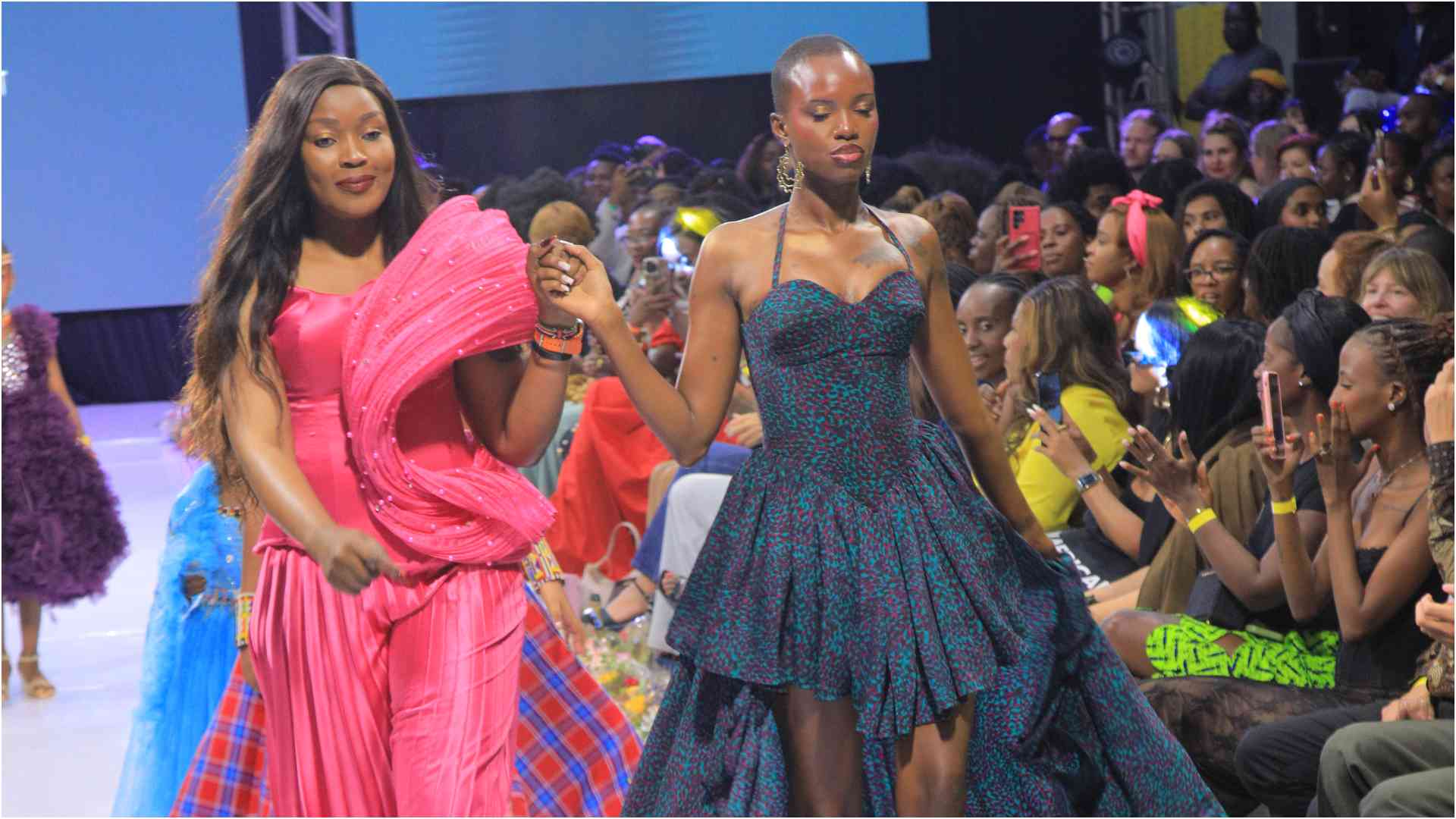
Cultural storytelling continued with Yevanna, whose collection leaned heavily into culture-inspired outfits. Each piece felt intentional, layered with meaning, and reflective of fashion’s ability to act as a visual archive of identity and heritage.
Rialto embraced rough edges literally and metaphorically. As an eco-conscious brand, it explored earthy browns through soft velvets and suede-like materials. The collection balanced raw textures with refined construction, proving that sustainability and sophistication are not mutually exclusive but can coexist harmoniously.
Then came Kaveke, an undisputed original in the Kenyan fashion scene. Fusing Japanese culture with Samburu influences, Kaveke sent kimonos down the runway, reimagined through a distinctly African lens.
It was one of the most intellectually engaging collections of the night, bold in concept, confident in execution, and a testament to the designer’s enduring relevance and innovation.
Ultimately, what made this season of Nairobi Fashion Week particularly compelling was its emphasis on materiality. Velvets, Ankara, denims, and linens were not merely fabrics; they were storytelling tools. Each designer used texture to communicate the values of sustainability, culture, luxury, and everyday wearability.
The 8th season did more than showcase fashion. It reflected a maturing industry unafraid to interrogate itself, celebrate its roots, and engage with global conversations. Nairobi Fashion Week once again proved that the city is not just participating in the global fashion dialogue, it is actively shaping it.