



Audio By Vocalize
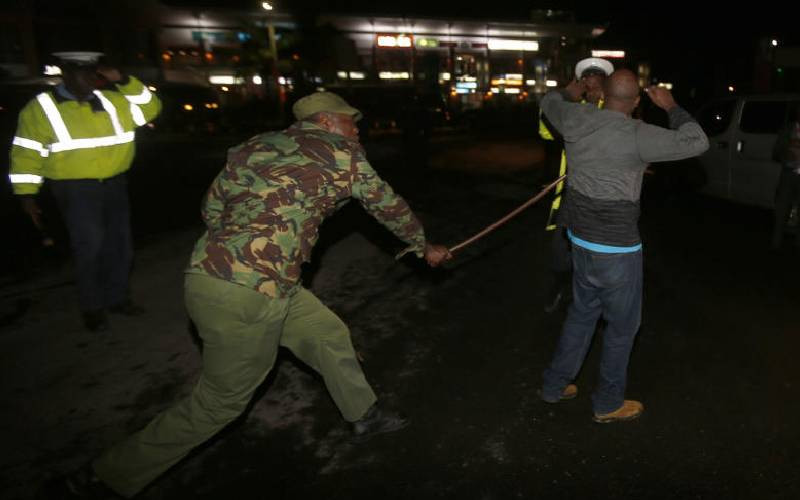
Cases of ruthless police brutality have been rampant in the country for a long time and are considered part and parcel of the history of the Kenya Police Service. In Africa, this vice can be traced to the colonial times when the police were used by the colonial governments to enforce repressive laws, taxes and forced labour on the locals. However, its persistence in Kenya can be attributed to a plethora of factors.
In most cases, police brutality is fuelled by competing political interests. This explains why many cases of brutality occur during heightened political activities. From independence, Kenyan politicians always wanted to have in place a police service they can control and use as a lethal tool to oppress and suppress their political rivals, real or imagined.
It is, therefore, not strange to find politicians who condoned police brutality on their opponents, only to cry foul about the same when out of power. To ensure that they have full control over the police, in 201,5 the political actors amended the legal frameworks that guaranteed independence of police oversight authority and safeguarded police service neutrality under the 2010 Constitution.
The amended sections had insulated the appointment of the Inspector General of Police and the deputies against executive influence. Therefore, to ensure that the police remain apolitical and non-partisan, these amendments should be reversed to professionalise the service and limit politically instigated brutality.
Ineffective oversight is another factor that has exacerbated police brutality. While the Independent Policing Oversight Authority, a creation of the 2010 constitution, and the Police Internal Affairs Unit are mandated to investigate and take action against police misconduct, they lack the requisite authority, autonomy and resources to effectively deal with the officers who engage in brutality.
Delays in concluding the court cases against the police, lack of witnesses’ protection, and malpractices within the Judiciary and police impunity encourage police brutality. Consequently, to minimise the vice, police oversight institutions should be empowered. In addition, court cases related to police brutality need to be expedited as victims and witness protected to enhance the delivery of justice.
It has been observed that police training in Kenya concentrates more on inculcating military skills and tactics, which nurturesan authoritarian mindset at the expense of soft skills. There is also much emphasis on obedience to commands, which makes the officers liable to obey illegal orders from their bosses and politicians. These two training elements are likely to make the police ready tools of brutal oppression at the expense of professionalism.
There is therefore an urgent need for the officers to be trained more on respect for human rights, ethics, communication and negotiation skills, conflict resolution, and civilised engagement with the citizens as partners in security management. Excessive militarisation of the police during training contributes to unnecessary use of force and violence during protests and public riots.
That aside, more attention should be paid to the police recruitment process. Heightened background analysis that goes beyond a certificate of good conduct should be conducted on potential recruits to ascertain that they are individuals of desirable character and personality within learning institutions and in their communities. This will disallow disobedient characters from joining the noble profession.
Poor working conditions and low morale also have a role in police brutality. Officers working under poor conditions, characterised by, among others, inadequate pay, poor housing, insufficient equipment, long working hours and limited psychological support, are usually stressed, frustrated, demoralised and aggressive. Such individuals are time bombs waiting to explode into violence at the slightest provocation, common in riot situations and during other tense encounters with the public.
Improvement of police terms and conditions of work should be a priority for the government. Moreover, the stressful work of police officers requires that they have unlimited access to mental health services to manage stress and trauma. Further, the many cases of reckless use of live bullets by some police officers, even when their life is not at risk, raise mental health concerns.
Periodic mental health assessments, counselling therapies and resilience training should be mandatory for all officers. The government should prevent police officers from projecting their frustrations through violence on the public.
Lastly, the Kenyan police actions seem to mirror the general behaviour of the populace. It is an undeniable fact that Kenyans have become generally violent. The highly vicious demonstrators, endless femicides, and burning of cars by boda boda riders, among others, are evidence of a public quite ready to spill blood.
Could the police be imitating the public behaviour? Do Kenyans have in place the police they deserve? Police officers who expect violence from the public resort to violence to protect themselves during riots and demonstrations.
Follow The Standard
channel
on WhatsApp
Cases of ruthless police brutality have been rampant in the country for a long time and are considered part and parcel of the history of the Kenya Police Service. In Africa, this vice can be traced to the colonial times when the police were used by the colonial governments to enforce repressive laws, taxes and forced labour on the locals. However, its persistence in Kenya can be attributed to a plethora of factors.
In most cases, police brutality is fuelled by competing political interests. This explains why many cases of brutality occur during heightened political activities. From independence, Kenyan politicians always wanted to have in place a police service they can control and use as a lethal tool to oppress and suppress their political rivals, real or imagined.
It is, therefore, not strange to find politicians who condoned police brutality on their opponents, only to cry foul about the same when out of power. To ensure that they have full control over the police, in 201,5 the political actors amended the legal frameworks that guaranteed independence of police oversight authority and safeguarded police service neutrality under the 2010 Constitution.
The amended sections had insulated the appointment of the Inspector General of Police and the deputies against executive influence. Therefore, to ensure that the police remain apolitical and non-partisan, these amendments should be reversed to professionalise the service and limit politically instigated brutality.
Ineffective oversight is another factor that has exacerbated police brutality. While the Independent Policing Oversight Authority, a creation of the 2010 constitution, and the Police Internal Affairs Unit are mandated to investigate and take action against police misconduct, they lack the requisite authority, autonomy and resources to effectively deal with the officers who engage in brutality.
Delays in concluding the court cases against the police, lack of witnesses’ protection, and malpractices within the Judiciary and police impunity encourage police brutality. Consequently, to minimise the vice, police oversight institutions should be empowered. In addition, court cases related to police brutality need to be expedited as victims and witness protected to enhance the delivery of justice.
It has been observed that police training in Kenya concentrates more on inculcating military skills and tactics, which nurturesan authoritarian mindset at the expense of soft skills. There is also much emphasis on obedience to commands, which makes the officers liable to obey illegal orders from their bosses and politicians. These two training elements are likely to make the police ready tools of brutal oppression at the expense of professionalism.
There is therefore an urgent need for the officers to be trained more on respect for human rights, ethics, communication and negotiation skills, conflict resolution, and civilised engagement with the citizens as partners in security management. Excessive militarisation of the police during training contributes to unnecessary use of force and violence during protests and public riots.
That aside, more attention should be paid to the police recruitment process. Heightened background analysis that goes beyond a certificate of good conduct should be conducted on potential recruits to ascertain that they are individuals of desirable character and personality within learning institutions and in their communities. This will disallow disobedient characters from joining the noble profession.
Poor working conditions and low morale also have a role in police brutality. Officers working under poor conditions, characterised by, among others, inadequate pay, poor housing, insufficient equipment, long working hours and limited psychological support, are usually stressed, frustrated, demoralised and aggressive. Such individuals are time bombs waiting to explode into violence at the slightest provocation, common in riot situations and during other tense encounters with the public.
Improvement of police terms and conditions of work should be a priority for the government. Moreover, the stressful work of police officers requires that they have unlimited access to mental health services to manage stress and trauma. Further, the many cases of reckless use of live bullets by some police officers, even when their life is not at risk, raise mental health concerns.
Periodic mental health assessments, counselling therapies and resilience training should be mandatory for all officers. The government should prevent police officers from projecting their frustrations through violence on the public.
Lastly, the Kenyan police actions seem to mirror the general behaviour of the populace. It is an undeniable fact that Kenyans have become generally violent. The highly vicious demonstrators, endless femicides, and burning of cars by boda boda riders, among others, are evidence of a public quite ready to spill blood.
Could the police be imitating the public behaviour? Do Kenyans have in place the police they deserve? Police officers who expect violence from the public resort to violence to protect themselves during riots and demonstrations.
Stay informed. Subscribe to our newsletter
Follow The Standard
channel
on WhatsApp
By John Onyango Omboto