



Audio By Vocalize
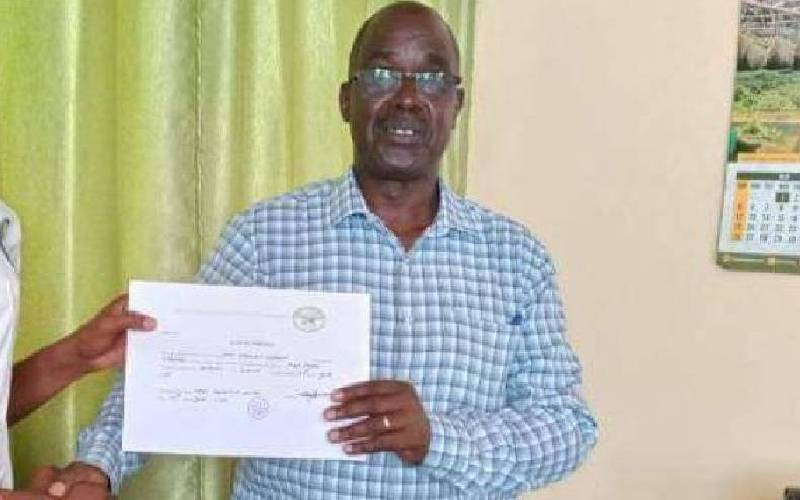
The High Court in Kericho has ruled that John Chebochok, who was prominently featured in the ‘Sex for Work: The True Taste of Our Tea’ documentary before becoming a director at Toror Tea Factory under the Kenya Tea Development Agency (KTDA), is unfit for public office.
In a landmark decision, Justice Joseph Sergon determined that Chebochok fails to meet Kenya’s constitutional standards for holding public office.
The court highlighted his alleged role in the sexual exploitation of female workers during his time at James Finlay Kenya.

This ruling comes as Chebochok was preparing to run for the Ainamoi Parliamentary seat in the 2027 General Election, having attended a United Democratic Alliance (UDA) aspirants’ meeting at State House on February 3, 2026.
The petition was filed by five organisations: Usikimye CBO, Wangu Kanja Foundation, Oxfam, The African Gender and Media Initiative Trust, and Flone Initiative.
Defendants in the case included Chebochok, Tegat Tea Factory Limited, the Kenya Tea Development Agency, the Tea Board of Kenya, and the Independent Electoral and Boundaries Commission.
During court proceedings, petitioners representing civil society and women’s rights groups argued that Chebochok’s election as a KTDA director was morally unjustifiable and undermined efforts to promote accountability and protect vulnerable tea workers.
Lead lawyer Amazon Koech stated that the court’s concern extended beyond removing an individual; it also addressed flaws in the vetting process for KTDA director elections and the enforcement of Chapter Six of the Constitution, which emphasizes leadership and integrity.
Koech emphasized that despite KTDA being a private entity, it still must adhere to constitutional principles, including safeguarding women from violence and discrimination.
Emanuel Yegon from the Medical Legal Unit stressed that Chebochok did not meet constitutional standards of leadership and integrity, citing allegations of misconduct involving over 100 women.
Yegon urged the court to prevent his confirmation immediately.
Scolastica Nderi, representing the Law Society of Kenya, urged the court to establish a clear legal precedent to guide future elections of KTDA factory directors.
She expressed hope that the ruling would send a strong message that no one is above accountability.
Nyokabi Njogu of KELIN called on both public and private institutions to improve mechanisms to prevent and respond to sexual violence.
She urged that the judgment recognize the importance of thorough investigations, prosecutions, and survivor remedies.
In social media comments, the Wangu Kanja Foundation hailed the ruling as a major victory for survivors in tea plantation communities whose voices are often marginalized.
The organization said the ruling is a step toward acknowledgment, validation, and restoring dignity after long fights for justice.
The decision is expected to impact leadership vetting in KTDA-managed factories and strengthen constitutional standards of integrity and accountability across public and semi-public institutions.
Follow The Standard
channel
on WhatsApp
The High Court in Kericho has ruled that John Chebochok, who was prominently featured in the ‘Sex for Work: The True Taste of Our Tea’ documentary before becoming a director at Toror Tea Factory under the Kenya Tea Development Agency (KTDA), is unfit for public office.
In a landmark decision, Justice Joseph Sergon determined that Chebochok fails to meet Kenya’s constitutional standards for holding public office.
The court highlighted his alleged role in the sexual exploitation of female workers during his time at James Finlay Kenya.
This ruling comes as Chebochok was preparing to run for the Ainamoi Parliamentary seat in the 2027 General Election, having attended a United Democratic Alliance (UDA) aspirants’ meeting at State House on February 3, 2026.
The petition was filed by five organisations: Usikimye CBO, Wangu Kanja Foundation, Oxfam, The African Gender and Media Initiative Trust, and Flone Initiative.
Defendants in the case included Chebochok, Tegat Tea Factory Limited, the Kenya Tea Development Agency, the Tea Board of Kenya, and the Independent Electoral and Boundaries Commission.
During court proceedings, petitioners representing civil society and women’s rights groups argued that Chebochok’s election as a KTDA director was
morally unjustifiable
and undermined efforts to promote accountability and protect vulnerable tea workers.
Lead lawyer Amazon Koech stated that the court’s concern extended beyond removing an individual; it also addressed flaws in the vetting process for KTDA director elections and the enforcement of Chapter Six of the Constitution, which emphasizes leadership and integrity.
Koech emphasized that despite KTDA being a private entity, it still must adhere to constitutional principles, including safeguarding women from violence and discrimination.
Emanuel Yegon from the Medical Legal Unit stressed that Chebochok did not meet constitutional standards of leadership and integrity, citing allegations of misconduct involving over 100 women.
Yegon urged the court to prevent his confirmation immediately.
Scolastica Nderi, representing the Law Society of Kenya, urged the court to establish a clear legal precedent to guide future elections of KTDA factory directors.
She expressed hope that the ruling would send a strong message that no one is above accountability.
Nyokabi Njogu of KELIN called on both public and private institutions to improve mechanisms to prevent and respond to sexual violence.
Stay informed. Subscribe to our newsletter
She urged that the judgment recognize the importance of thorough investigations, prosecutions, and survivor remedies.
In social media comments, the Wangu Kanja Foundation hailed the ruling as a major victory for survivors in tea plantation communities whose voices are often marginalized.
The organization said the ruling is a step toward acknowledgment, validation, and
restoring dignity
after long fights for justice.
The decision is expected to impact leadership vetting in KTDA-managed factories and strengthen constitutional standards of integrity and accountability across public and semi-public institutions.
Follow The Standard
channel
on WhatsApp
By Nikko Tanui