

Audio By Vocalize
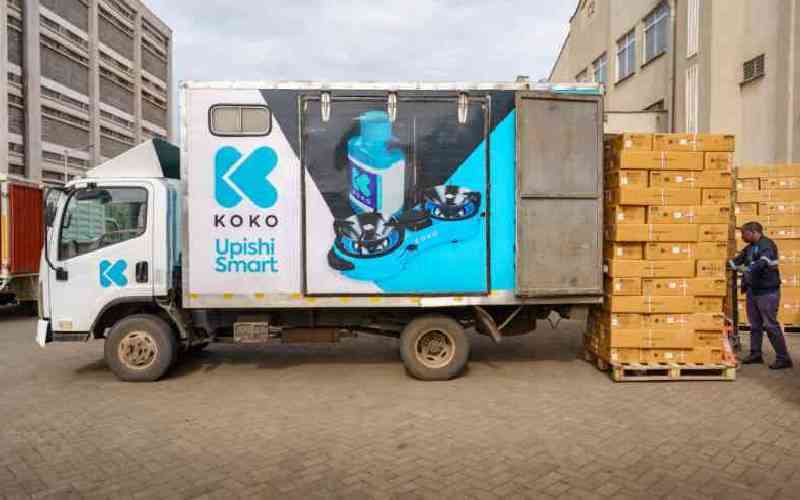
Koko’s model depended heavily on carbon finance. By selling cookstove credits abroad, the company subsidised bioethanol fuel at home, making it cheaper than charcoal and kerosene. [Koko Networks]
PricewaterhouseCoopers (PwC) has launched a search for buyers to acquire the business or assets of the collapsed clean-energy startup Koko Networks Ltd, as administrators move to recover value for creditors following a regulatory dispute with the government.
Joint administrators Muniu Thoithi and George Weru issued a formal request for expressions of interest (EOI) on Thursday, inviting potential investors to submit bids for the company’s nationwide fuel distribution infrastructure, intellectual property, and motor vehicle fleet.
The deadline for submissions is February 26 this year. Koko, which served about 1.3 million low-income households with subsidised bioethanol cooking fuel, was placed under administration on February 1 this year after failing to secure government authorisation to sell carbon credits into lucrative international compliance markets.
The company had invested more than $300 million (Sh38.7 billion) in building one of Africa’s most extensive clean-cooking distribution networks.
The assets now on offer include Koko’s network of smart fuel dispensing machines, tanker systems, depot infrastructure, and motor vehicles comprising trucks and motorbikes.
The company’s software platforms and intellectual property, essential for managing its operational and customer data, are also available for acquisition. “Significant capital will be required to resolve the insolvency of the company sustainably,” the administrators said in the notice.
“The administrators intend to run an investor or transaction process to explore credible options to either implement a going concern acquisition of the business and assets of KOKO or for the acquisition of specific assets”.
The collapse followed an eight-month deadlock with environment ministry officials who declined to issue final letters of authorisation required under Article 6 of the Paris Agreement, blocking Koko’s ability to sell carbon credits to airlines under the Corsia scheme, where prices average $20 (Sh2,600) per tonne, roughly 10 times voluntary market rates.
The regulatory impasse has exposed Kenyan taxpayers to potential liability of up to Sh23 billion through a political risk guarantee issued by the World Bank, which insures against government breach of contract. Koko is expected to file a claim under the policy.
Interested parties must submit detailed proposals, including company profiles, strategic rationale for investment, and evidence of financial capability. Only shortlisted candidates will be invited to conduct due diligence after signing non-disclosure agreements.
The administration marks the end of an 11-year journey for Koko, which had expanded to operate more than 3,000 automated fuel points across Kenya and Rwanda.
The shutdown has rendered over 700 employees jobless and disrupted clean-fuel access for households now forced to return to charcoal and kerosene.
PwC said the administration process aims to explore rescue options where feasible, or achieve better outcomes for creditors than would result from immediate liquidation. Creditors have 14 days from the appointment date to submit claims for verification.
Follow The Standard
channel
on WhatsApp
Koko’s model depended heavily on carbon finance. By selling cooksto
ve cr
edits abroad, the company subs
idised bioethanol fuel at home, making it cheaper than charcoal and kerosene.
[Koko Networks]
PricewaterhouseCoopers (PwC) has launched a search for buyers to acquire the business or assets of the collapsed clean-energy startup Koko Networks Ltd, as administrators move to recover value for creditors following a regulatory dispute with the government.
Joint administrators Muniu Thoithi and George Weru issued a formal request for expressions of interest (EOI) on Thursday, inviting potential investors to submit bids for the company’s nationwide fuel distribution infrastructure, intellectual property, and motor vehicle fleet.
The deadline for submissions is February 26 this year. Koko, which served about 1.3 million low-income households with subsidised bioethanol cooking fuel, was placed under administration on February 1 this year after failing to secure government authorisation to sell carbon credits into lucrative international compliance markets.
The company had invested more than $300 million (Sh38.7 billion) in building one of Africa’s most extensive clean-cooking distribution networks.
The assets now on offer include Koko’s network of smart fuel dispensing machines, tanker systems, depot infrastructure, and motor vehicles comprising trucks and motorbikes.
The company’s software platforms and intellectual property, essential for managing its operational and customer data, are also available for acquisition. “Significant capital will be required to resolve the insolvency of the company sustainably,” the administrators said in the notice.
“The administrators intend to run an investor or transaction process to
explore credible options
to either implement a going concern acquisition of the business and assets of KOKO or for the acquisition of specific assets”.
The collapse followed an eight-month deadlock with environment ministry officials who declined to issue final letters of authorisation required under Article 6 of the Paris Agreement, blocking Koko’s ability to sell carbon credits to airlines under the Corsia scheme, where prices average $20 (Sh2,600) per tonne, roughly 10 times voluntary market rates.
The regulatory impasse has exposed Kenyan taxpayers to potential liability of up to Sh23 billion through a political risk guarantee issued by the World Bank, which insures against government breach of contract. Koko is expected to file a claim under the policy.
Interested parties must submit detailed proposals, including company profiles, strategic rationale for investment, and evidence of financial capability. Only shortlisted candidates will be invited to conduct due diligence after signing non-disclosure agreements.
The administration marks the end of an 11-year journey for Koko, which had expanded to operate more than 3,000 automated fuel points across Kenya and Rwanda.
The shutdown has rendered over 700 employees jobless and disrupted clean-fuel access for households now forced to
return to charcoal and kerosene.
PwC said the administration process aims to explore rescue options where feasible, or achieve better outcomes for creditors than would result from immediate liquidation. Creditors have 14 days from the appointment date to submit claims for verification.
Stay informed. Subscribe to our newsletter
Follow The Standard
channel
on WhatsApp
By Brian Ngugi