



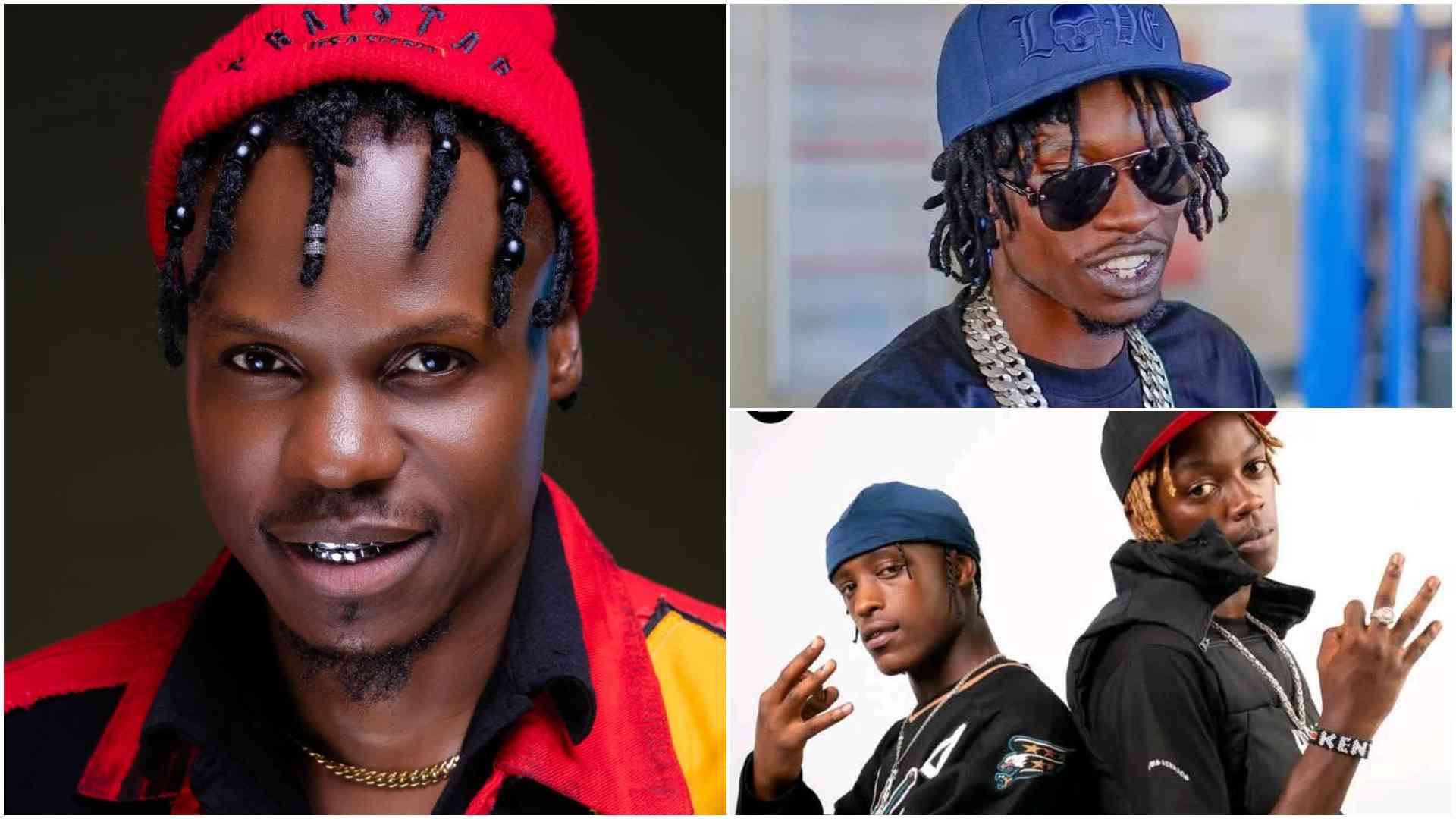
Kenya’s hip hop scene is once again in the spotlight as the simmering beef between drill collective Buruklyn Boyz and rapper Toxic Lyrikali escalates, prompting industry veteran Eko Dydda to step in with a passionate plea for peace.
As fans traded barbs online and tensions spilled into the streets, Eko Dydda took to social media to remind artistes that hip hop was never meant to self-destruct.
“HIP-HOP NI CULTURE YA LOVE. Tunajua hizi vita zilianza hivi na ikakula 2Pac na Biggie, hivi ndio Mavado na Vybes Kartel walifanya vijanaa wamalizane kwa streets. Siwezi watch tuki haribu industry, the fight is never good for business. Poverty ndio our biggest enemy kwa streets, kama uko na creativity toa mistari za kuchanua streets vile wata make their lives better si kuwa divide,” he posted.
In an accompanying video, the gospel rapper doubled down, warning against glorifying violence in music.
“Wacha tukuwe honest, hakuna vile unaeza make a living kama msee wa ghetto out of nonsensical music. Go check out what happened in Jamaica, violence is not healthy for the game. Why is it that black music promotes violence? Ask yourself that question. So we won’t encourage that in this country, but not here. Promoting drugs, crime and violence won’t be accepted to mislead our kids,” he stated.
His reference to the infamous rivalry between 2Pac and The Notorious B.I.G.; a feud that ended in tragedy — as well as the long-running Jamaican clashes in the dancehall world, underscored his warning: rap beef can easily spiral beyond the studio.
The genesis of the current conflict dates back to early February 2026, when Toxic Lyrikali, who fancies himself the “King of Kayole” — went live on Instagram in a raw and emotional session.
During the livestream, he accused Buruklyn Boyz of imitating his signature flow and street aesthetic in a bid to ride on his hard-earned success.
The accusations quickly ignited online debate, with fans picking sides and dissecting lyrics for subliminal shots.
Matters took a worrying turn after a recent confrontation in Donholm allegedly involving supporters from both camps, raising fears that the lyrical sparring could morph into physical altercations.
In response, Toxic Lyrikali later issued a formal statement distancing himself from street violence and urging a return to music-based competition.