



Audio By Vocalize
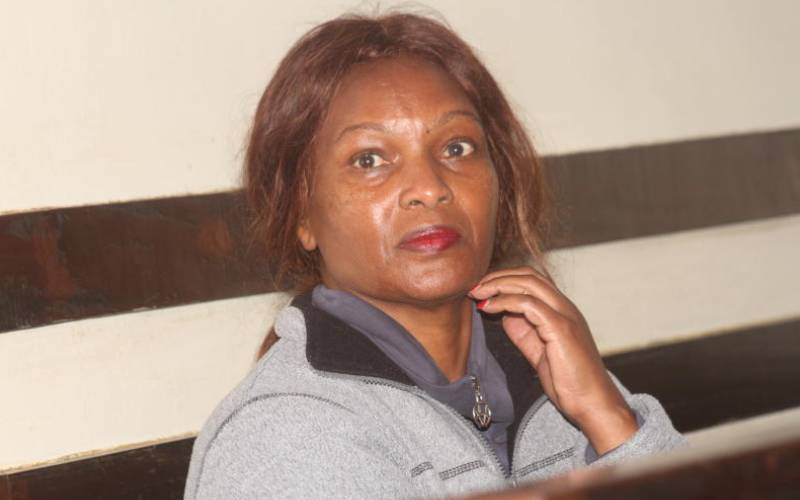
Sarah Wairimu, the widow of Tob Cohen, at a Kibera court on January 29,2025. [Collins Kweyu, Standard]
Sarah Wairimu, widow of slain Dutch businessman Tob Cohen, suffered a major blow on Thursday after the Kibera High Court rejected her bid to nullify her ongoing murder trial and restart the case afresh before a different judge.
Justice Diana Kavedza dismissed two applications in which Wairimu had sought to have the proceedings declared a mistrial, expunge key documents from the court record, vacate all rulings made so far, and have the matter reassigned to another judge over allegations of bias
The judge held that Wairimu had failed to demonstrate that the court was prejudiced or incapable of conducting a fair trial.

“Having carefully considered the application and the grounds advanced, I am not persuaded that there exists any bias in this matter,” Justice Kavedza ruled.
Wairimu is charged with the murder of her late Dutch billionaire husband, whose decomposed body was discovered in a septic tank at their Kitisuru home in September 2019, weeks after he was reported missing.
Cohen was last seen on July 19, 2019. The gruesome discovery triggered Wairimu’s arrest, followed by a protracted legal battle that included a constitutional review application, which eventually led to the withdrawal of the original charges.
In January 2025, detectives re-arrested Wairimu after the Office of the Director of Public Prosecutions reviewed the murder file and approved fresh charges.
The DPP said a review of the evidence had revealed sufficient grounds to prosecute her for murder.
In the applications dismissed on Thursday, Wairimu, through her advocate, challenged several aspects of the ongoing proceedings against her.
She argued that the prosecution had unlawfully uploaded parts of the committal bundle onto the court’s digital filing platform, allegedly exposing the trial court to evidence it should not yet have seen and irreparably compromising the fairness of the trial.
Wairimu also questioned the handling of her court-ordered mental assessment and the manner in which she was escorted to the hospital for evaluation, arguing that the process violated her constitutional rights.
The defence asked the court to expunge certain documents from the record, vacate all prior rulings, and order the case to start afresh before a different judge.
Justice Kavedza, however, held that the High Court, sitting as a trial court, lacked the legal authority to overturn its own rulings or nullify proceedings already conducted.
“If a party believes that constitutional violations have occurred in the course of trial, the remedy lies in the appellate process,” she ruled, firmly establishing that a trial court cannot review or set aside its own decisions in the manner sought by the defence.
On the question of judicial bias, the centrepiece of the second application, the court was equally firm.
Justice Kavedza held that Wairimu had failed to present any credible evidence to support her claims.
“The burden of proof lies with the applicant to establish bias. Mere allegations, without proof, are insufficient to warrant the recusal of a judicial officer. I am not persuaded that there exists any bias in this matter,” the judge ruled.
Although Wairimu stated formally that she was not seeking the judge’s recusal, Justice Kavedza noted that the arguments raised touched directly on issues commonly associated with allegations of partiality.
The court addressed this squarely, cautioning against the misuse of such applications.
“Recusal is intended to safeguard the integrity of the judicial process, not to facilitate forum shopping,” the judge stated, emphasising that claims of bias must be supported by clear and demonstrable proof.
The prosecution had vigorously opposed both applications for the judge to disqualify herself and have the case declared a mistrial.
State Counsel Vincent Monda told the court that due process had been followed at every turn, that the judiciary’s digital filing system does not constitute a procedural irregularity, and that the mental assessment and hospital escort were conducted lawfully and without prejudice to the accused.
Monda further argued that what the defence had dressed up as a constitutional application was, in reality, a disguised appeal, an impermissible attempt to relitigate matters the court had already decided.
Justice Kavedza agreed with the prosecution on all fronts.
She found no evidence to support the suggestion that she was biased, and rejected the defence’s characterisation of the digital filing process as prejudicial.
The court also confirmed that the mental health assessment and related escort orders were handled in accordance with the law and did not infringe on the accused’s rights.
With both applications dismissed, the murder trial will continue before the same judge.
The matter is scheduled to resume on May 19, 2025, when three prosecution witnesses are expected to take the stand.
The dismissal marks the latest setback for Wairimu in a case that has wound through the courts for nearly six years.
Follow The Standard
channel
on WhatsApp
Sarah Wairimu, the widow of Tob Cohen, at a Kibera court on January 29,2025.
[Collins Kweyu, Standard]
Sarah Wairimu,
widow of slain Dutch businessman Tob Cohen, suffered a major blow on Thursday after the Kibera High Court rejected her bid to nullify her ongoing murder trial and restart the case afresh before a different judge.
Justice Diana Kavedza dismissed two applications in which Wairimu had sought to have the proceedings declared a mistrial, expunge key documents from the court record, vacate all rulings made so far, and have the matter reassigned to another judge over allegations of bias
The judge held that Wairimu had failed to demonstrate that the court was prejudiced or incapable of conducting a fair trial.
“Having carefully considered the application and the grounds advanced, I am not persuaded that there exists any bias in this matter,” Justice Kavedza ruled.
Wairimu is charged with the murder of her late Dutch billionaire husband, whose decomposed body was discovered in a septic tank at their Kitisuru home in September 2019, weeks after he was reported missing.
Cohen was last seen on July 19, 2019. The gruesome discovery triggered Wairimu’s arrest, followed by a protracted legal battle that included a constitutional review application, which eventually led to the withdrawal of the original charges.
In January 2025, detectives re-arrested Wairimu after the Office of the Director of Public Prosecutions reviewed the murder file and approved fresh charges.
The DPP said a review of the evidence had revealed sufficient grounds to prosecute her for murder.
In the applications dismissed on Thursday, Wairimu, through her advocate, challenged several aspects of the ongoing proceedings against her.
She argued that the prosecution had unlawfully uploaded parts of the committal bundle onto the court’s digital filing platform, allegedly exposing the trial court to evidence it should not yet have seen and irreparably compromising the fairness of the trial.
Wairimu also questioned the handling of her court-ordered mental assessment and the manner in which she was escorted to the hospital for evaluation, arguing that the process violated her constitutional rights.
The defence asked the court to expunge certain documents from the record, vacate all prior rulings, and order the case to start afresh before a different judge.
Justice Kavedza, however, held that the High Court, sitting as a trial court, lacked the legal authority to overturn its own rulings or nullify proceedings already conducted.
Stay informed. Subscribe to our newsletter
“If a party believes that constitutional violations have occurred in the course of trial, the remedy lies in the appellate process,” she ruled, firmly establishing that a trial court cannot review or set aside its own decisions in the manner sought by the defence.
On the question of judicial bias, the centrepiece of the second application, the court was equally firm.
Justice Kavedza held that Wairimu had failed to present any credible evidence to support her claims.
“The burden of proof lies with the applicant to establish bias. Mere allegations, without proof, are insufficient to warrant the recusal of a judicial officer. I am not persuaded that there exists any bias in this matter,” the judge ruled.
Although Wairimu stated formally that she was not seeking the judge’s recusal, Justice Kavedza noted that the arguments raised touched directly on issues commonly associated with allegations of partiality.
The court addressed this squarely, cautioning against the misuse of such applications.
“Recusal is intended to safeguard the integrity of the
judicial process
, not to facilitate forum shopping,” the judge stated, emphasising that claims of bias must be supported by clear and demonstrable proof.
The prosecution had vigorously opposed both applications for the judge to disqualify herself and have the case declared a mistrial.
State Counsel Vincent Monda told the court that due process had been followed at every turn, that the judiciary’s digital filing system does not constitute a procedural irregularity, and that the mental assessment and hospital escort were conducted lawfully and without prejudice to the accused.
Monda further argued that what the defence had dressed up as a constitutional application was, in reality, a disguised appeal, an impermissible attempt to relitigate matters the court had already decided.
Justice Kavedza agreed with the prosecution on all fronts.
She found no evidence to support the suggestion that she was biased, and rejected the defence’s characterisation of the digital filing process as prejudicial.
The court also confirmed that the mental health assessment and related escort orders were handled in accordance with the law and did not infringe on the accused’s rights.
With both applications dismissed, the murder trial will continue before the same judge.
The matter is scheduled to resume on May 19, 2025, when three
prosecution witnesses
are expected to take the stand.
The dismissal marks the latest setback for Wairimu in a case that has wound through the courts for nearly six years.
Follow The Standard
channel
on WhatsApp
By Nancy Gitonga