

Audio By Vocalize
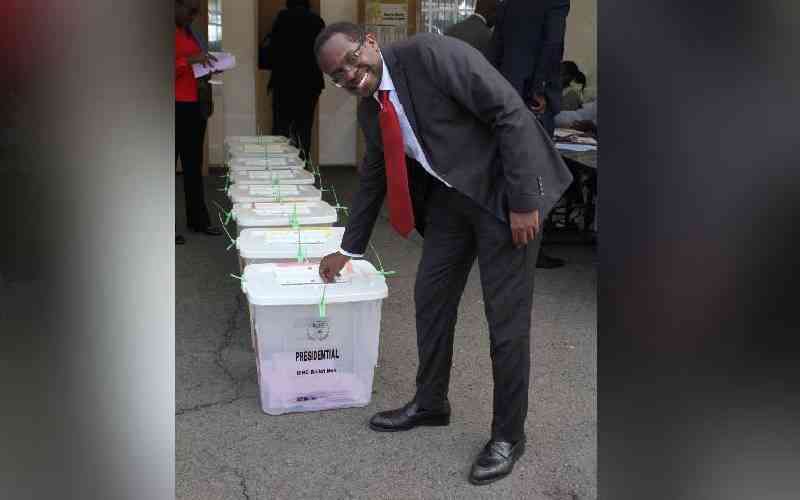
The election of a new President of the Law Society of Kenya comes at a pivotal constitutional moment. As the country moves steadily toward another election cycle, the need for a strong, independent and assertive bar cannot be overstated. The office he now occupies is not ceremonial. It carries a constitutional and moral duty to defend the rule of law without fear, favour, or hesitation.
Public commentary surrounding Charles Kanjama’s election has been varied. Some within the profession have described him as conservative; others have questioned whether he will take firm positions when the moment demands it.
His past opposition to aspects of the current Constitution has also resurfaced in public debate. These concerns are not accusations; they are reflections of the seriousness with which Kenyans view this office. Leadership of the bar requires visible independence, especially when constitutional rights are tested.
Of immediate concern is the protection of freedom of expression under Article 33. In recent months, Kenyans have faced arrests and prosecutions over publications critical of government policy and leadership. Whether these cases ultimately succeed in court is secondary.
The process itself, arrest, arraignment, bail conditions, and drawn-out litigation can operate as punishment. When citizens begin to fear lawful expression, constitutional democracy is weakened.
Equally troubling is the increasing reliance on Strategic Litigation Against Public Participation (SLAPP) suits. These suits are often framed as defamation or reputational claims, but are structured in a manner that burdens critics with costly, prolonged legal battles. Their purpose is rarely to win on merit; it is to exhaust, intimidate and silence. When institutions, including media houses, civil society organisations and watchdog bodies are met with sweeping injunctions and gag orders, the chilling effect extends far beyond the parties named in court.
The LSK must be unequivocal on this point – litigation must never be weaponised to stifle lawful dissent. The bar has both a professional and constitutional responsibility to resist practices that undermine public participation. Where court processes are used to curtail legitimate scrutiny, the Society should intervene, speak, and, where appropriate, litigate in defence of constitutional freedoms.
The same vigilance must apply to the right to assemble, demonstrate and picket under Article 37. Kenya’s recent protest cycles have tested the resilience of our institutions. The previous LSK leadership was visible and vocal during moments of unrest, often providing rapid legal response and public accountability. Many Kenyans now openly call upon the new President to maintain, if not strengthen, that posture, particularly amid concerns about arrests and enforced disappearances.
This is not a call for confrontation. It is a call for consistency. The bar must serve its members while simultaneously safeguarding the broader constitutional order. These duties are not mutually exclusive. An advocate’s professional welfare and a citizen’s civil liberty are intertwined within the same constitutional framework.
The LSK must remain independent, principled and firm. It must protect institutions from being gagged, resist the misuse of court processes, and stand resolutely in defence of speech and peaceful protest. The legal community and the country will be watching not for rhetoric, but for action.
Kavutha Mutua is a Human Rights practitioner.
Follow The Standard
channel
on WhatsApp
The election of a new President of the Law Society of Kenya comes at a pivotal constitutional moment. As the country moves steadily toward another election cycle, the need for a strong, independent and assertive bar cannot be overstated. The office he now occupies is not ceremonial. It carries a constitutional and moral duty to defend the rule of law without fear, favour, or hesitation.
Public commentary surrounding Charles Kanjama’s election has been varied. Some within the profession have described him as conservative; others have questioned whether he will take firm positions when the moment demands it.
His past opposition to aspects of the current Constitution has also resurfaced in public debate. These concerns are not accusations; they are reflections of the seriousness with which Kenyans view this office. Leadership of the bar requires visible independence, especially when constitutional rights are tested.
Of immediate concern is the protection of freedom of expression under Article 33. In recent months, Kenyans have faced arrests and prosecutions over publications critical of government policy and leadership. Whether these cases ultimately succeed in court is secondary.
The process itself, arrest, arraignment, bail conditions, and drawn-out litigation can operate as punishment. When citizens begin to fear lawful expression, constitutional democracy is weakened.
Equally troubling is the increasing reliance on Strategic Litigation Against Public Participation (SLAPP) suits. These suits are often framed as defamation or reputational claims, but are structured in a manner that burdens critics with costly, prolonged legal battles. Their purpose is rarely to win on merit; it is to exhaust, intimidate and silence. When institutions, including media houses, civil society organisations and watchdog bodies are met with sweeping injunctions and gag orders, the chilling effect extends far beyond the parties named in court.
The LSK must be unequivocal on this point – litigation must never be weaponised to stifle lawful dissent. The bar has both a professional and constitutional responsibility to resist practices that undermine public participation. Where court processes are used to curtail legitimate scrutiny, the Society should intervene, speak, and, where appropriate, litigate in defence of constitutional freedoms.
The same vigilance must apply to the right to assemble, demonstrate and picket under Article 37. Kenya’s recent protest cycles have tested the resilience of our institutions. The previous LSK leadership was visible and vocal during moments of unrest, often providing rapid legal response and public accountability. Many Kenyans now openly call upon the new President to maintain, if not strengthen, that posture, particularly amid concerns about arrests and enforced disappearances.
This is not a call for confrontation. It is a call for consistency. The bar must serve its members while simultaneously safeguarding the broader constitutional order. These duties are not mutually exclusive. An advocate’s professional welfare and a citizen’s civil liberty are intertwined within the same constitutional framework.
The LSK must remain independent, principled and firm. It must protect institutions from being gagged, resist the misuse of court processes, and stand resolutely in defence of speech and peaceful protest. The legal community and the country will be watching not for rhetoric, but for action.
Kavutha Mutua is a Human Rights practitioner.
Follow The Standard
channel
on WhatsApp
By Kavutha Mutua