



Audio By Vocalize
The United States authorised the departure of non-emergency embassy staff from Israel on Friday, as it threatened strikes on Iran and pressed its biggest military build-up in the Middle East in decades.
The move came a day after a round of Oman-mediated talks between Iran and the US seen as a last-ditch bid to avert war, though initial optimism was tempered by Tehran warning Washington must drop “excessive demands” to reach a deal.
As the world’s largest aircraft carrier, the USS Gerald R. Ford, was due to arrive off the coast of ally Israel, the US embassy there announced it was allowing non-emergency government personnel and family members to leave “due to safety risks”.
“Persons may wish to consider leaving Israel while commercial flights are available,” the embassy said on its website.
The New York Times reported that US Ambassador to Israel Mike Huckabee sent an email to embassy staff on Friday morning saying that those wishing to leave “should do so TODAY”.
US Secretary of State Marco Rubio will hold talks Monday in Israel on Iran, the State Department announced.
Growing fears of conflict spurred China to join other countries in warning its citizens to leave Iran “as soon as possible”. Britain too withdrew its embassy staff from Iran.
‘Our right’
Iranian and Omani officials presented Thursday’s talks in Geneva as positive, but the United States has not publically commented on their outcome.
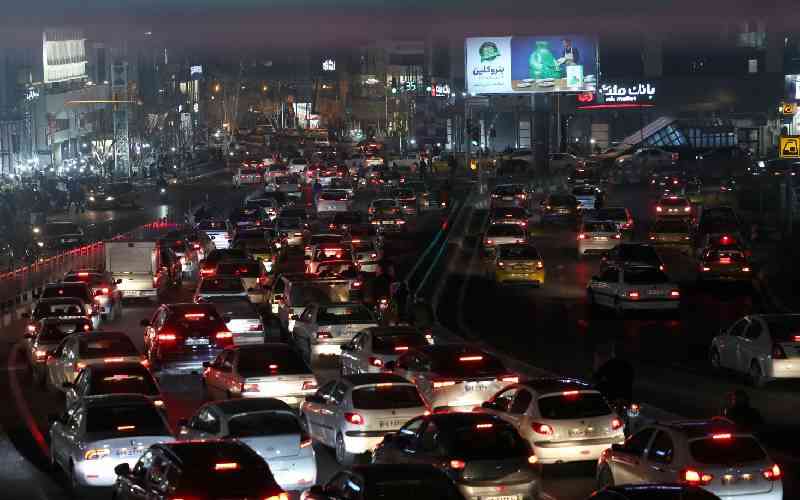
In their capital Tehran, ordinary Iranians expressed distrust of the United States and hoped negotiations would lead to economic reprieve for their sanctions-hit nation.
The high cost of living had sparked protests in December that rocked Iran’s clerical leadership, leading to a crackdown that killed thousands of people according to rights groups.
“Whatever the outcome of the negotiations… it should lead to some improvement in people’s economic situation. Not just a little — it is our right,” Ali Bagheri, 34, told AFP.
Hamid Beiranvand, 42, said Iran should “not give any concessions” as Washington “breaks promises”, but that “everyone prefers that a war doesn’t happen”.
Talks to continue
Trump on February 19 gave Iran 15 days to reach a deal. While Iran has insisted discussions focus solely on nuclear issues, Washington wants Tehran’s missile programme and its support for militant groups curtailed.
Without specifying what demands he was referring to, Iran’s Foreign Minister Abbas Araghchi said on Friday that “success in this path requires seriousness and realism from the other side and avoidance of any miscalculation and excessive demands”.
Following the talks, Araghchi told state TV the negotiations “made very good progress and entered into the elements of an agreement very seriously, both in the nuclear field and in the sanctions field”.
He said the next round would take place in “perhaps less than a week”, with technical talks at the IAEA to begin in Vienna on Monday.
Omani Foreign Minister Badr Albusaidi also cited “significant progress” in the talks on X.
The IAEA confirmed the technical discussions and called on Iran to cooperate with it “constructively”, stressing “the utmost urgency” of its request to verify all its nuclear material, according to a confidential report seen by AFP.
‘Extremely alarmed’
Trump said in his State of the Union address this week that Iran was working on missiles that could reach the United States and accused Iran of “pursuing sinister nuclear ambitions”.
Iran has always insisted its nuclear programme was peaceful and called the claims “big lies”.
Trump’s accusations were delivered in the same forum in which then-president George W. Bush laid out the case for the invasion of Iraq in 2003.
Washington already had more than a dozen warships in the Middle East, including another aircraft carrier, before deploying the Gerald R. Ford.
A previous attempt at negotiations collapsed when Israel launched strikes on Iran last June, beginning a 12-day war that the US briefly joined to bomb Iranian nuclear sites.
The UN rights chief Volker Turk said he was “extremely alarmed” at the risk of a regional escalation around Iran and raised concerns over domestic issues in Iran, where protests have resumed.
“I hope the voice of reason prevails,” he said.
Follow The Standard
channel
on WhatsApp
The United States authorised the departure of non-emergency embassy staff from Israel on Friday, as it threatened strikes on Iran and pressed its biggest military build-up in the Middle East in decades.
The move came a day after a round of Oman-mediated talks between Iran and the US seen as a last-ditch bid to avert war, though initial optimism was tempered by Tehran warning Washington must drop “excessive demands” to reach a deal.
As the world’s largest aircraft carrier, the USS Gerald R. Ford, was due to arrive off the coast of ally Israel, the US embassy there announced it was allowing non-emergency government personnel and family members to leave “due to safety risks”.
“Persons may wish to consider leaving Israel while commercial flights are available,” the embassy said on its website.
The New York Times reported that US Ambassador to Israel Mike Huckabee sent an email to embassy staff on Friday morning saying that those wishing to leave “should do so TODAY”.
US Secretary of State Marco Rubio will hold talks Monday in Israel on Iran, the State Department announced.
Growing fears of conflict spurred China to join other countries in warning its citizens to leave Iran “as soon as possible”. Britain too withdrew its embassy staff from Iran.
‘Our right’
Iranian and Omani officials presented Thursday’s talks in Geneva as positive, but the United States has not publically commented on their outcome.
In their capital Tehran, ordinary Iranians expressed distrust of the United States and hoped negotiations would lead to economic reprieve for their sanctions-hit nation.
The high cost of living had sparked protests in December that rocked Iran’s clerical leadership, leading to a crackdown that killed thousands of people according to rights groups.
“Whatever the outcome of the negotiations… it should lead to some improvement in people’s economic situation. Not just a little — it is our right,” Ali Bagheri, 34, told AFP.
Hamid Beiranvand, 42, said Iran should “not give any concessions” as Washington “breaks promises”, but that “everyone prefers that a war doesn’t happen”.
Talks to continue
Trump on February 19 gave Iran 15 days to reach a deal. While Iran has insisted discussions focus solely on nuclear issues, Washington wants Tehran’s missile programme and its support for militant groups curtailed.
Stay informed. Subscribe to our newsletter
Without specifying what demands he was referring to, Iran’s Foreign Minister Abbas Araghchi said on Friday that “success in this path requires seriousness and realism from the other side and avoidance of any miscalculation and excessive demands”.
Following the talks, Araghchi told state TV the negotiations “made very good progress and entered into the elements of an agreement very seriously, both in the nuclear field and in the sanctions field”.
He said the next round would take place in “perhaps less than a week”, with technical talks at the IAEA to begin in Vienna on Monday.
Omani Foreign Minister Badr Albusaidi also cited “significant progress” in the talks on X.
The IAEA confirmed the technical discussions and called on Iran to cooperate with it “constructively”, stressing “the utmost urgency” of its request to verify all its nuclear material, according to a confidential report seen by AFP.
‘Extremely alarmed’
Trump said in his State of the Union address this week that Iran was working on missiles that could reach the United States and accused Iran of “pursuing sinister nuclear ambitions”.
Iran has always insisted its nuclear programme was peaceful and called the claims “big lies”.
Trump’s accusations were delivered in the same forum in which then-president George W. Bush laid out the case for the invasion of Iraq in 2003.
Washington already had more than a dozen warships in the Middle East, including another aircraft carrier, before deploying the Gerald R. Ford.
A previous attempt at negotiations collapsed when Israel launched strikes on Iran last June, beginning a 12-day war that the US briefly joined to bomb Iranian nuclear sites.
The UN rights chief Volker Turk said he was “extremely alarmed” at the risk of a regional escalation around Iran and raised concerns over domestic issues in Iran, where protests have resumed.
“I hope the voice of reason prevails,” he said.
Follow The Standard
channel
on WhatsApp
By AFP