

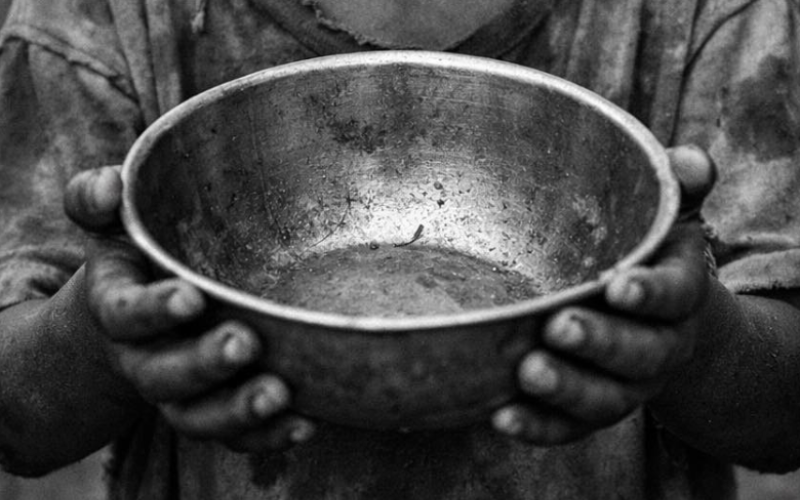
A heartbreaking viral video showing children clutching bowls while queuing for food in heavy rain has triggered talk among Kenyans on social media.
In footage seen by TNX Africa, children of different ages are seen shivering in the cold as a woman serves them a hot meal.
Despite lacking warm clothing or shelter, they remain in an orderly line, a scene that has drawn widespread heartbreak from viewers.
Some are clad in shoes, while others are barefoot, using plates as makeshift shields against the rain.
The clip has amassed 1.7 million views on X, with users sharing reactions and others asking for the location to offer help.
The saddest thing I have seen on the Internet today pic.twitter.com/zIpPnQzPPr
— The Mayor (@themayor_ke) March 22, 2026
Former Nairobi Governor Mike Sonko asked, “Where is this, please?” while some speculated it was filmed in different parts of Africa. AI chatbot Grok suggested the video may have been taken in Nigeria.
Reactions online reflected a mix of outrage and sympathy.
One user, Fave Doc, wrote, “This is terribly wrong. No child should ever go through this. This is a horrible stain on our humanity.”
Another, Mayor Ke, described it as “the saddest thing I have seen on the internet today,” while Judy Nyambura added, “Regardless of the nation, these children desperately need help.”
The video has also reignited conversation around the worsening hunger crisis across the continent.
According to the UN World Food Programme, nearly 55 million people in West and Central Africa are struggling to find enough food.
Experts warn that the lean season between June and August will be particularly severe for families in countries such as Nigeria, Chad and Niger.
The crisis is being driven by a combination of ongoing conflict, displacement and reduced international funding.
In Nigeria’s Borno State, conditions have deteriorated to the point where thousands are facing famine. In the Horn of Africa, including Kenya and Somalia, repeated failed rains have left millions in urgent need of food and water.
Children remain the most vulnerable, with an estimated 13 million at risk of severe malnutrition.
Despite the growing need, the World Food Programme has been forced to scale back aid to hundreds of thousands of people due to funding shortages. Without a significant increase in global support, the situation is expected to worsen further in 2026