



Audio By Vocalize


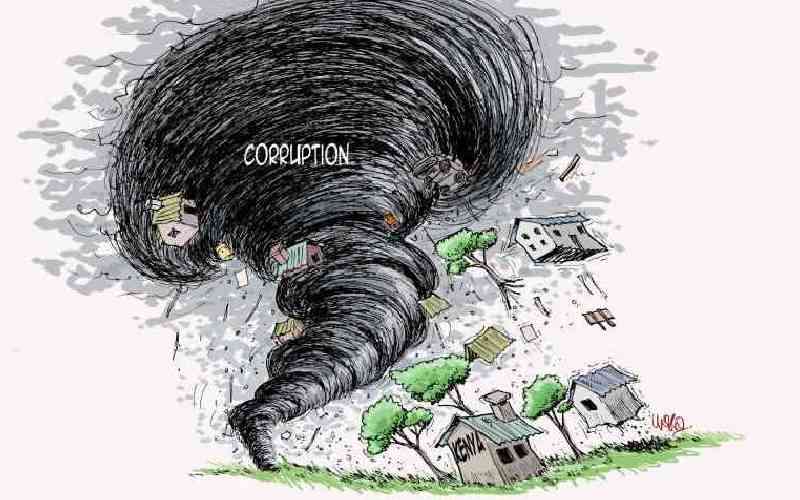
There is a particular kind of suffering that comes not from poverty alone, nor from violence alone, but from the persistent gap between what a nation professes and what it practises. Kenya does not merely have problems. Kenya has deep, structured, morally scandalous contradictions that have solidified into the ordinary furniture of public life. To name them is not pessimism. It is prophecy. And prophecy, in the biblical tradition, is always the first act of repair.
Amos did not come to Israel with statistics. He came with images of the merchant who falsifies the scales, the judge who takes bribes at the gate, the worshipper who sings loudly on the Sabbath, and defrauds the poor on Monday. The prophet’s method is not abstraction; it is the naming of the specific contradiction. In that spirit, I offer seven.
The thief arrests other thieves
Kenya’s anti-corruption architecture is among the most elaborate on the continent. We have commissions, task forces, declarations, and pledges. What we lack is the moral credibility to enforce them. For the loudest voices against corruption have too often been its architects. The one who loots the public purse in one season leads the anti-corruption crusade in the next. Accountability has been weaponised into a tool of political elimination rather than principled justice.
This is a deep-rooted distortion. When those who need to be held accountable control the mechanism of accountability, the mechanism becomes theatre. Kenya has mastered the performance of accountability while perfecting the practice of impunity.
The oppressors are religious
This contradiction cuts deep. Kenya is one of the most visibly religious nations on earth. Prayer opens every cabinet meeting, every parliamentary session, every public ceremony. The language of faith, of redemption, of divine favour, saturates public discourse from State House to the county ward.
And yet the same hands lifted in worship on Sunday sign documents that impoverish on Monday. This is treating the grace of God cheaply – forgiveness without discipleship, confession without transformation. The gospel has been domesticated into a mood rather than a mandate.
The poor are the song of the rich
Every election cycle, poverty becomes poetry. The hustler, the mama mboga, the boda boda rider are quoted, photographed, and wept over. Their suffering becomes the most eloquent material in every manifesto.
Then elections pass, budgets are drawn, and the poor discover once again they were means, not ends, routes to power, not reasons for it.
The system does not fail the poor; it requires them. Their poverty is not a problem to be solved but a resource to be exploited. Their votes are easily accessible, their expectations manageable, and their gratitude for small gains dependable. This is not an accident of governance; it is its logic.
They fight for national unity while practising tribalism
Unity is the republic’s official creed. Yet appointments, tenders, deployments, and promotions flow along entrenched ethnic lines that have become nearly geographic.
What makes this contradiction most corrosive is that it is expressed in the language of its opposite. Tribal appointments are announced in national rhetoric, while ethnic exclusion is dressed in constitutional procedure. The nation is urged to celebrate inclusion even as it experiences exclusion and then told to doubt its own reality. This is more than hypocrisy.
Constitution celebrated, yet constantly undermined
The Constitution of Kenya is a remarkable document, born of struggle, debate, and decades of democratic yearning. It enshrines devolution, a Bill of Rights, independent institutions, and a vision of a republic accountable to its citizens. Its promulgation was met with nationwide celebration, joy that was deeply deserved.
And yet those who swore upon it have become its most creative circumventors. Independent offices are captured. Budgetary processes are manipulated. Judicial decisions are treated as negotiating positions rather than binding conclusions. The letter of the constitution is invoked to frustrate its spirit, and the spirit is dismissed whenever the letter proves inconvenient.
Free to express yourself, yet abducted for it
The Constitution guarantees freedom of expression. It is categorical, explicit, and firmly enshrined as a fundamental right. Yet it is this very right whose exercise has made some Kenyans disappear. The abductions of activists, bloggers, and critics, young people armed only with a phone and conscience, point to something darker than ordinary state brutality.
They reflect a deliberate decision to punish the exercise of a right that the state has formally guaranteed.
Youth: the future shut out of the present
No phrase is more abused in Kenyan politics. Youth are invoked in speeches but absent from decisions. They are praised when building businesses or creating content, but dismissed or criminalised when demanding accountability. Even youth-led voter drives are treated with suspicion.
The Gen Z protests of 2024, young Kenyans who filled streets with constitutional arguments rather than tribal slogans, exposed this gap with unusual clarity. A generation promised the future discovered, in real time, that the present had no space for it. The response was not dialogue but force. A nation that fears its youth ultimately fears its future.
A word to the Church and the nation
These contradictions are not only political; they are moral. The Church cannot stand aside and offer comfort alone. Comfort in the face of structured injustice becomes complicity.
The prophetic tradition distinguishes care from courage: the pastor tends wounds, but the prophet names their cause. Kenya needs both, but urgently the latter.
Naming a contradiction is the first step toward ending it. What is unnamed can be denied; what is named must be answered.
.std-banner-wrap {
max-width: 100%;
width: 100%;
position: relative;
margin: 2.5rem 0 2rem;
font-family: Georgia, ‘Times New Roman’, serif;
}
.std-top-rule {
display: flex;
height: 4px;
}
.std-top-rule .r1 {
background: #CC0000;
flex: 3;
}
.std-top-rule .r2 {
background: #C9A84C;
flex: 1;
}
.std-top-rule .r3 {
background: #0D0D0D;
flex: 6;
}
.std-banner {
background: #F9F5F0;
padding: 2rem 2.2rem 1.8rem;
position: relative;
overflow: hidden;
box-shadow: 0 4px 24px rgba(0, 0, 0, 0.10), 0 1px 0 #C9A84C;
border-left: 4px solid #CC0000;
}
.std-banner::before {
content: ‘S’;
position: absolute;
right: -1rem;
top: -2rem;
font-family: Georgia, serif;
font-size: 14rem;
font-weight: 900;
color: rgba(204, 0, 0, 0.04);
line-height: 1;
pointer-events: none;
user-select: none;
}
.std-eyebrow {
display: inline-flex;
align-items: center;
gap: 0.5rem;
font-size: 0.62rem;
font-weight: 700;
letter-spacing: 0.2em;
text-transform: uppercase;
color: #CC0000;
margin-bottom: 0.85rem;
font-family: Arial, sans-serif;
}
.std-eyebrow::before {
content: ”;
display: block;
width: 18px;
height: 1.5px;
background: #CC0000;
}
.std-banner-title {
font-family: Georgia, ‘Times New Roman’, serif;
font-size: clamp(1.3rem, 3.5vw, 1.75rem);
font-weight: 900;
color: #0D0D0D;
line-height: 1.2;
margin: 0 0 0.75rem;
letter-spacing: -0.02em;
}
.std-banner-title .std-hl {
color: #CC0000;
font-style: italic;
}
.std-divider {
display: flex;
align-items: center;
gap: 0.6rem;
margin-bottom: 0.9rem;
}
.std-divider::before,
.std-divider::after {
content: ”;
flex: 1;
height: 1px;
background: #d8d0c6;
}
.std-divider-dot {
width: 6px;
height: 6px;
border-radius: 50%;
background: #CC0000;
flex-shrink: 0;
}
.std-banner-body {
font-size: 0.97rem;
line-height: 1.7;
color: #2C2C2C;
font-weight: 400;
margin: 0 0 1.4rem;
font-family: Georgia, serif;
}
.std-banner-body strong {
font-weight: 700;
color: #0D0D0D;
}
.std-cta-row {
display: flex;
align-items: center;
gap: 1rem;
flex-wrap: wrap;
margin-bottom: 1.2rem;
}
.std-btn-subscribe {
display: inline-flex;
align-items: center;
gap: 0.6rem;
background: #CC0000;
color: #fff !important;
font-family: Arial, sans-serif;
font-size: 0.8rem;
font-weight: 700;
letter-spacing: 0.1em;
text-transform: uppercase;
padding: 0.72rem 1.5rem 0.72rem 1.3rem;
border: none;
cursor: pointer;
text-decoration: none !important;
border-bottom: none !important;
position: relative;
overflow: hidden;
transition: background 0.2s ease, transform 0.15s ease, box-shadow 0.2s ease;
box-shadow: 0 4px 16px rgba(204, 0, 0, 0.3);
clip-path: polygon(0 0, calc(100% – 10px) 0, 100% 50%, calc(100% – 10px) 100%, 0 100%);
padding-right: 1.8rem;
}
.std-btn-subscribe:hover,
.std-btn-subscribe:focus,
.std-btn-subscribe:visited,
.std-btn-subscribe:active {
background: #A00000 !important;
color: #fff !important;
transform: translateY(-1px);
box-shadow: 0 6px 22px rgba(204, 0, 0, 0.4);
text-decoration: none !important;
border-bottom: none !important;
outline: none;
}
.std-btn-subscribe:active {
transform: translateY(0);
}
.std-btn-arrow {
display: inline-block;
font-size: 1rem;
line-height: 1;
transition: transform 0.18s ease;
}
.std-btn-subscribe:hover .std-btn-arrow {
transform: translateX(3px);
}
.std-dismiss {
font-size: 0.75rem;
color: #999;
background: none;
border: none;
border-bottom: 1px dashed #ccc;
padding: 0 0 1px;
cursor: pointer;
font-family: Georgia, serif;
letter-spacing: 0.03em;
transition: color 0.2s;
}
.std-dismiss:hover {
color: #333;
border-bottom-color: #333;
}
/* Payment logos */
.std-payment-row {
display: flex;
align-items: center;
gap: 0.45rem;
flex-wrap: wrap;
padding-top: 1rem;
border-top: 1px solid #e0d9d0;
margin-bottom: 0.7rem;
}
.std-pay-label {
font-size: 0.6rem;
color: #aaa;
letter-spacing: 0.14em;
text-transform: uppercase;
font-family: Arial, sans-serif;
margin-right: 0.2rem;
white-space: nowrap;
}
.std-pay-badge {
display: inline-flex;
align-items: center;
justify-content: center;
height: 24px;
padding: 0 0.5rem;
border-radius: 3px;
border: 1px solid #e0d7ce;
background: #fff;
box-shadow: 0 1px 3px rgba(0, 0, 0, 0.05);
}
/* M-Pesa */
.std-mpesa-text {
font-family: Arial, sans-serif;
font-size: 0.7rem;
font-weight: 900;
}
.std-mpesa-m {
color: #39b74a;
}
.std-mpesa-dash {
color: #db3939;
}
.std-mpesa-p {
color: #39b74a;
}
/* Visa */
.std-visa-text {
font-family: ‘Times New Roman’, Times, serif;
font-size: 0.82rem;
font-weight: 900;
font-style: italic;
color: #1a1f71;
letter-spacing: -0.03em;
}
/* Mastercard */
.std-mc-wrap {
position: relative;
width: 28px;
height: 16px;
}
.std-mc-left {
width: 16px;
height: 16px;
border-radius: 50%;
background: #eb001b;
position: absolute;
left: 0;
top: 0;
}
.std-mc-right {
width: 16px;
height: 16px;
border-radius: 50%;
background: #f79e1b;
position: absolute;
right: 0;
top: 0;
mix-blend-mode: multiply;
}
/* Airtel Money */
.std-airtel-text {
font-family: Arial, sans-serif;
font-size: 0.64rem;
font-weight: 800;
}
.std-airtel-a {
color: #ec2427;
;
}
.std-airtel-m {
color: #dd3436;
font-weight: 600;
}
/* Equitel */
.std-equitel-text {
font-family: Arial, sans-serif;
font-size: 0.6rem;
font-weight: 700;
color: #003087;
letter-spacing: 0.02em;
}
.std-equitel-eq {
color: #e2001a;
}
/* Trust strip */
.std-trust-strip {
display: flex;
align-items: center;
gap: 0.45rem;
flex-wrap: wrap;
}
.std-trust-strip .std-shield {
width: 11px;
height: 11px;
fill: #C9A84C;
flex-shrink: 0;
}
.std-trust-strip span {
font-size: 0.67rem;
color: #aaa;
letter-spacing: 0.03em;
font-family: Arial, sans-serif;
}
.std-trust-strip .std-dot {
width: 3px;
height: 3px;
border-radius: 50%;
background: #ccc;
flex-shrink: 0;
}
/* Bottom rule */
.std-bottom-rule {
height: 2px;
background: linear-gradient(to right, #C9A84C, #CC0000, #0D0D0D);
}
/* Entrance animation */
@keyframes stdSlideUp {
from {
opacity: 0;
transform: translateY(20px);
}
to {
opacity: 1;
transform: translateY(0);
}
}
.std-banner-wrap {
animation: stdSlideUp 0.5s cubic-bezier(0.22, 1, 0.36, 1) both;
}
Support Independent Journalism
Stand With Bold Journalism.
Stand With The Standard.
Continue
→
Pay via
Secure Payment
Kenya’s most trusted newsroom since 1902
Follow The Standard
channel on WhatsApp
By Edward Buri