



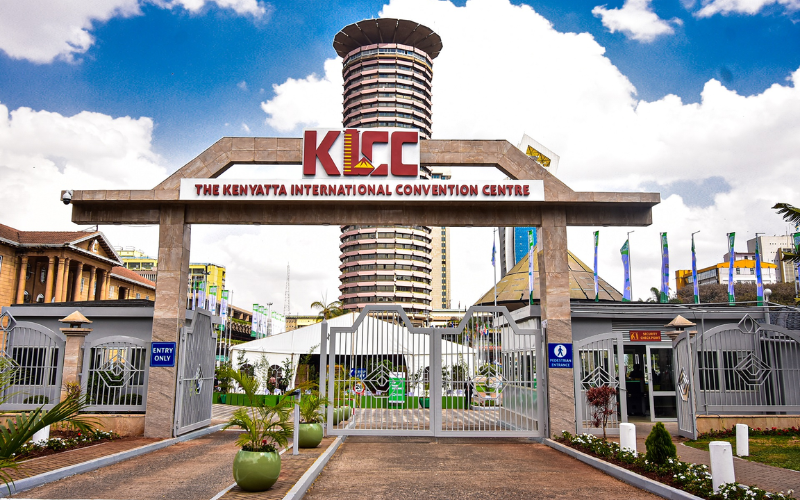
Nairobi is set to host the inaugural Pan-African Architecture Biennale (PAB) in September under the theme Shifting the Centre: From Fragility to Resilience.
Running from September 1 to 7 at the Kenya International Convention Centre, it presents as an exhibition and a forum where work is shown and ideas about authorship, identity, and the future of cities are discussed, with a focus on African perspectives and a push against ideas from outside that have dictated how Africa builds.
The opening week will feature exhibitions, national pavilions, dialogues, and public events in Nairobi. It also includes panels and national representations that show architectural work from vernacular design to large-scale urban projects.
In the curatorial statement, organisers describe PAB, the first architecture biennale of its kind on the continent, as a chance to place Africa more firmly in global architectural conversations.
“The PAB represents an unprecedented opportunity to reclaim Africa’s architectural narrative, reasserting the continent’s role as a global leader in urban resilience, sustainability, and cultural expression,” they stated.
The statement highlights the biennale as a meeting point for architects, designers, urban planners, and policymakers to engage with urbanisation, climate change, and economic change in African cities.
Kenya’s role as host is presented in historical and political terms, with Nairobi depicting what is happening in the continent. The curatorial text explains that its urban condition, where informality and regulation, colonial inheritance and local adaptation coexist, makes it a place where the biennale’s questions can be explored. They add that these complexities are experiences that African cities relate to.
“Nairobi becomes, therefore, not just a host but a mirror, one that reflects the very questions the biennale seeks to confront: Who gets to design? What histories do we build upon? How can architecture express resilience, belonging, and transformation?” organisers said.
The theme references fragility as a condition built by histories of colonisation, displacement, economic extraction, and environmental pressure. The statement links this to resilience through vernacular practices, cultural continuity, and adaptive urban life across the continent.
“This Biennale asks, ‘How can we design through fragility?'”
They also call for change in architectural practice, moving away from inherited standards and towards indigenous and diasporic knowledge. Decolonisation is described as a practical process tied to rethinking design, history, and value.
The statement also highlights the role of the diaspora, noting the importance of remittances and their influence on development, cultural production, and architecture.
Organisers say the aim is to present the range of architecture in the continent and broaden how it is understood globally.
“The Western world loves African architecture, as long as it is a safari lodge,” they said.
The biennale is organised as a non-profit initiative registered in Kigali, Rwanda, and brings together practitioners, thinkers, and communities from Africa and the diaspora. It will take place every two years, with each edition hosted in a different country across the continent.