



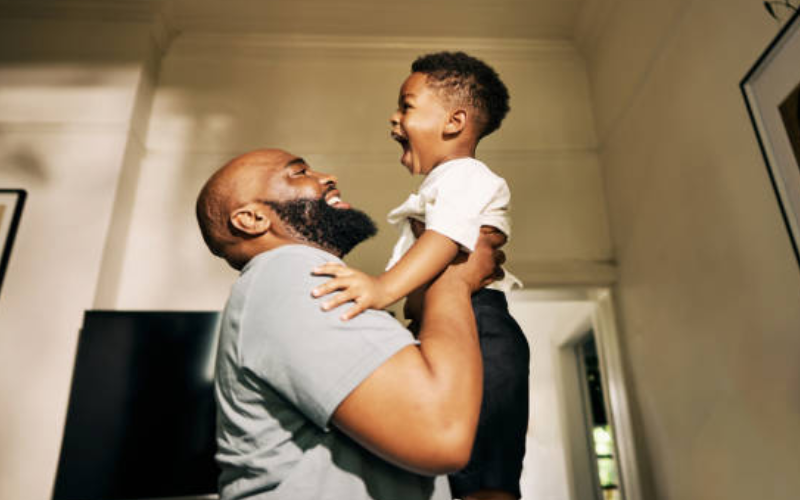
Midway through the holiday season, a quiet shift is unfolding; fathers are choosing presence, and sons are noticing.
On a cold morning at Ngong Hills, fathers and sons gather for a sunrise hike. Fourteen-year-old Taye Pkot stands beside his father, Peter, who took time off work just for this. “We needed this reset,” he says.
Around them, others laugh and stretch; it’s more than a hike; it’s a return to connection.
Across Kenya, school holidays are becoming moments of reconnection. In homes, churches, and communities, fathers are showing up, not just as providers, but as present, emotionally available figures in their sons’ lives.
Reclaiming fatherhood
“For years, the African father has been seen as distant, providing from the outside. That’s changing, as boys aged 7 to 17 form their identity in critical ways,” says Reverend Justus Munene, who convenes father–son bonding sessions.
He says boys are asking: “Who am I? What does it mean to be a man?” answers often shaped by a father’s presence. When fathers are physically and emotionally present, boys feel seen, building confidence, trust and safety.
Spaces for father–son connection are growing, through church retreats, school mentorships, and community groups.
In Kisumu, one church held a service where fathers shared personal stories. “It was emotional,” says Pastor Joel Otieno. “Men opened up, and the boys listened differently; it became a moment of healing.”
For 16-year-old Lenny Lemayian from Kiserian, it changed everything: “I didn’t know fathers also have fears. After that, I felt closer to him.”
Why these years matter
According to psychologist Stephen Mutuma, the ages between seven and 17 are a defining window in a boy’s development.
“At seven to 10, boys are still seeking approval and connection, and at 11 to 14, they begin to test boundaries and look outward for role models. By 15 to 17, they are exploring independence, but they still need guidance, even if it is quiet,” he explained.
Without this consistent father figures, he warns, boys may turn elsewhere for direction as peers, social media, or popular culture can begin to shape their understanding of masculinity, which is sometimes healthy.”
For many fathers, showing up today is also about healing yesterday.
“I never had this kind of relationship with my father,” says Pastor Otieno, now a father of two teenage boys. “We only spoke when I was in trouble, and decided I wanted something different for my sons.”
He now creates small, intentional rituals, Saturday breakfasts, evening conversations, monthly bonding nights. “It may look simple, but that’s when they open up, that’s when we laugh, and that’s when trust grows,” he says.
Family counsellor Lisa Wanjiro says that even fathers who live apart are finding ways to stay connected. “A phone call, a voice note, a simple check-in, are the things that matter, while consistency builds presence, even across distance,” she says.
Not all boys grow up with present fathers, and where that gap exists, experts warn, the effects can be significant.
A 2023 study by the Kenya Institute of Development Studies found that boys without engaged father figures were more likely to struggle with school, emotional regulation, and risky behaviours.
“The father-son relationship acts as a buffer, and it helps boys process emotion, resolve conflict, and understand respect,” explains child development specialist Florence Machio.
Without it, she says, many boys are left to piece together their identity alone. When community steps in, the response is often collective. In many Kenyan communities, where fathers are absent, other men step forward.
In Nyeri, the Shujaa Mtaani mentorship pairs boys with male mentors during school holidays, offering guidance through storytelling, practical skills, and shared experience.
“They taught me how to fix a tyre, and I ask questions without feeling stupid,” says 12-year-old Caleb Mwenyesi, smiling. Caleb lost his father at the age of three.
However, in these spaces, he is still learning what it means to grow into manhood.
The moments that stay
Back at Ngong Hills, the hike begins, fathers and sons walking, talking, laughing, or simply sharing the silence. It’s not about distance, but time together.
In the end, it’s the small moments that stay: a walk, a meal, a quiet “I’m proud of you.” As one 17-year-old from Malindi said, “He just sat with me and asked about my dreams; that was the first time I felt seen.”
A quiet call to fathers: this holiday season is more than rest, it’s a chance to be present, to listen, and to shape futures.
“Because boys are always watching, and what they carry from these years does not end with childhood. It becomes the kind of men they grow into,” says Prof Rebecca Wambua, and educationist, counsellor and author to parenting guide books.