

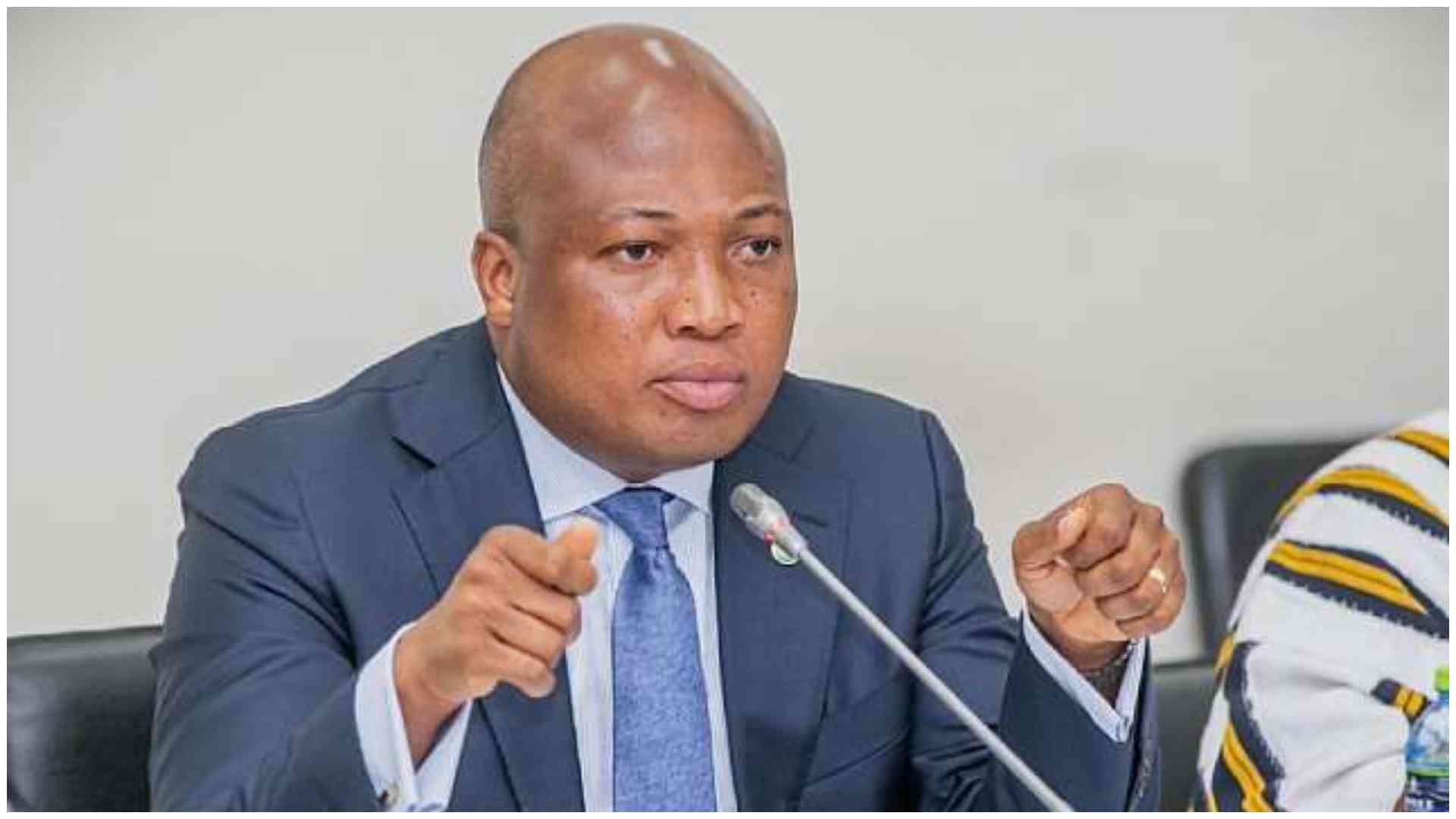
Ghana through its Ministry for Foreign Affairs, has announced plans to relocate Emmanuel Asamoah, a Ghanaian national who became the face of a xenophobic attack in South Africa, back to Ghana.
“The Government of Ghana is relocating Mr. Emmanuel Asamoah, the Ghanaian legally living in South Africa who came under unwarranted xenophobic attack from a fringe vigilante group. I have spoken to Mr. Asamoah directly and he is doing well despite the incessant threats. We are taking him out of South Africa. We shall continue to make the protection of Ghanaians home and abroad our utmost priority. No Ghanaian will be abandoned in harm’s way” stated Samuel Okudzeto Ablakwa, Ghana’s Minister for Foreign affairs on his official X page.
The move, funded entirely by the Ghanaian government, is part of efforts to protect Asamoah, from further threats and harassment following a viral video that exposed his identity and triggered online abuse.
As I announced on TV3 a while ago, the Government of Ghana is relocating Mr. Emmanuel Asamoah, the Ghanaian legally living in South Africa who came under unwarranted xenophobic attack from a fringe vigilante group.
I have spoken to Mr. Asamoah directly and he is doing well…
— Sam Okudzeto Ablakwa (@S_OkudzetoAblak) April 25, 2026
Asamoah featured in a widely shared video in which a group of South Africans confronted and assaulted him, demanding that he leave the country.
The incident, which took place in South Africa, drew national and international uproar towards the persistence of xenophobic violence especially in South Africa.
Despite him confirming his legality in the country he was still attacked, thus the Ghanaian Government’s swift decision to bring him back home.
The relocation will cover both travel and resettlement arrangements, with Ghana’s High Commissioner to South Africa, Benjamin Quashie meeting Asamoah to assure him of his safety.
Officials have emphasized that he will be resettled in a secure environment, though the exact location within Ghana will not be disclosed to prevent further targeting.
The case has reignited public debate about the risks faced by African nationals in other African countries and the need for stronger diplomatic protection and regional cooperation to combat xenophobia.
Asamoah has since described the attack as deeply traumatic.