

Audio By Vocalize

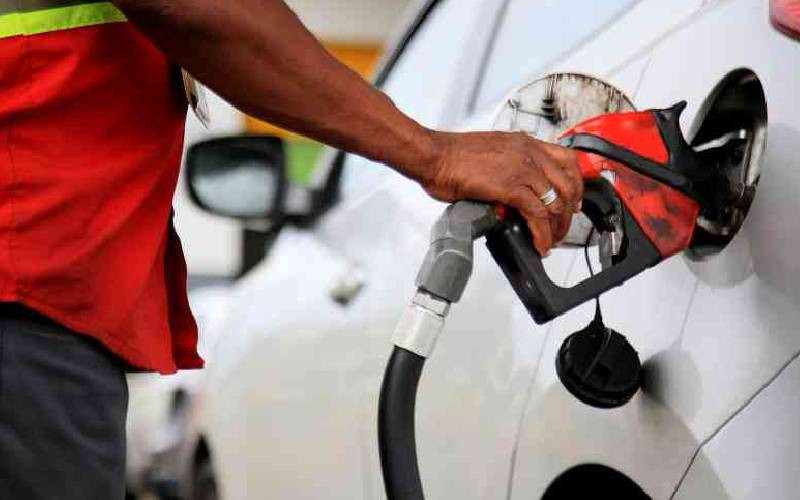
Last week, EPRA raised the prices of petrol and diesel to levels not witnessed before. Although fuel price increases were expected, arising from the US-Iran war, the more than 25 per cent hike came as a shock.
Anecdotal evidence indicates fuel sales went down by almost 50 per cent, a reality notable from the jam-free roads in the increment week. Prices of commodities are predictably headed to unbearable increases.
This level of fuel crises has become painfully familiar. A global shock hits, pump prices jump, queues form, and Kenya scrambles to calm the market and avoid strife.
Clearly, Kenya remains dangerously exposed to shocks it does not control. This crisis has several lessons for Kenya. The first lesson is that we cannot continue treating fuel crises as short-term emergencies only.
When the country depends exclusively on imported petroleum from one region, every war scare, shipping disruption, or price spike becomes a domestic political and economic crisis.
A country that relies on fuel for transport, food distribution, electricity back-up, and industry cannot afford to live month to month. Kenya needs a long-term resilience strategy, not another round of panic management.
The most urgent reform is the creation of genuine strategic petroleum reserves. Kenya’s own 2025 National Petroleum Policy acknowledges inadequate strategic stocks. It expressly commits the government to “establish and maintain strategic stocks of petroleum products in the country.”
This commitment must move from paper to reality. While Kenya Pipeline Company operates a substantial network of 1,342 kilometres with an annual handling capacity of about 14 billion litres, the issue is not only the overall size.
The question is whether Kenya has enough redundancy, inland storage, and buffer capacity to withstand shocks without immediate shortages and panic buying. A resilient fuel system is not built only at the port; it is built across the whole supply chain. Kenya needs emergency reserves dedicated to national security and essential services, with clear rules on when they can be released and how they are replenished.
The second lesson is the need for diversification of supply. Kenya should not design its fuel security around one corridor, one region, or one procurement model. The current shocks reveal how vulnerable the country is when Gulf-linked supplies are disrupted.
Kenya must widen its options so that a crisis in one region does not paralyse the economy. That includes broader sourcing, more flexible contract structures, and regional contingency planning with neighbouring states. Resilience begins with reducing dependence on a single external route.
For instance, Kenya should increasingly leverage on Aloki Dangote’s refinery, now producing a daily production of 650,000 litres, and avoid contentious supply routes. Thirdly, Kenya needs a more credible and transparent price-stabilisation framework. Understandably, the government uses VAT reductions and stabilisation reserves when prices spike, but ad hoc cushioning is not a strategy.
Citizens and businesses need predictability. If taxes or levies are to be adjusted during crises, the rules should be known in advance. If a stabilisation fund is to be used, the trigger should be transparent. Otherwise, every shock becomes fertile ground for speculation, hoarding, and public distrust. A fuel market can survive high prices more easily than it can survive uncertainty.
Finally, we must recognise that the deepest long-term answer for Kenya’s energy security lies beyond petroleum itself. Kenya will never fully secure itself against fuel crises if it remains structurally dependent on fossil fuels.
The 2025 National Energy Policy proposes a better path by supporting electric mobility and wider energy efficiency measures. Kenya is fortunate to have strong renewable electricity potential and substantial geothermal generation. That gives it an advantage that many countries do not have.
Over time, shifting buses, motorcycles, urban fleets, and parts of freight toward electricity would reduce not only emissions but also exposure to foreign oil shocks. Kenya, therefore, faces a simple choice. It can continue reacting to every fuel shock with emergency statements and temporary tax relief, or it can build a system that is harder to shake in the first place.
Strategic reserves, diversified sourcing, stronger infrastructure, predictable price management, better crisis governance, and faster transport electrification are not glamorous reforms. They are the reforms that will make the next fuel crisis, which remains predictable in today’s unstable world, less damaging than the last.
-The writer is an advocate of the High Court
.std-banner-wrap {
max-width: 100%;
width: 100%;
position: relative;
margin: 2.5rem 0 2rem;
font-family: Georgia, ‘Times New Roman’, serif;
}
.std-top-rule {
display: flex;
height: 4px;
}
.std-top-rule .r1 {
background: #CC0000;
flex: 3;
}
.std-top-rule .r2 {
background: #C9A84C;
flex: 1;
}
.std-top-rule .r3 {
background: #0D0D0D;
flex: 6;
}
.std-banner {
background: #F9F5F0;
padding: 2rem 2.2rem 1.8rem;
position: relative;
overflow: hidden;
box-shadow: 0 4px 24px rgba(0, 0, 0, 0.10), 0 1px 0 #C9A84C;
border-left: 4px solid #CC0000;
}
.std-banner::before {
content: ‘S’;
position: absolute;
right: -1rem;
top: -2rem;
font-family: Georgia, serif;
font-size: 14rem;
font-weight: 900;
color: rgba(204, 0, 0, 0.04);
line-height: 1;
pointer-events: none;
user-select: none;
}
.std-eyebrow {
display: inline-flex;
align-items: center;
gap: 0.5rem;
font-size: 0.62rem;
font-weight: 700;
letter-spacing: 0.2em;
text-transform: uppercase;
color: #CC0000;
margin-bottom: 0.85rem;
font-family: Arial, sans-serif;
}
.std-eyebrow::before {
content: ”;
display: block;
width: 18px;
height: 1.5px;
background: #CC0000;
}
.std-banner-title {
font-family: Georgia, ‘Times New Roman’, serif;
font-size: clamp(1.3rem, 3.5vw, 1.75rem);
font-weight: 900;
color: #0D0D0D;
line-height: 1.2;
margin: 0 0 0.75rem;
letter-spacing: -0.02em;
}
.std-banner-title .std-hl {
color: #CC0000;
font-style: italic;
}
.std-divider {
display: flex;
align-items: center;
gap: 0.6rem;
margin-bottom: 0.9rem;
}
.std-divider::before,
.std-divider::after {
content: ”;
flex: 1;
height: 1px;
background: #d8d0c6;
}
.std-divider-dot {
width: 6px;
height: 6px;
border-radius: 50%;
background: #CC0000;
flex-shrink: 0;
}
.std-banner-body {
font-size: 0.97rem;
line-height: 1.7;
color: #2C2C2C;
font-weight: 400;
margin: 0 0 1.4rem;
font-family: Georgia, serif;
}
.std-banner-body strong {
font-weight: 700;
color: #0D0D0D;
}
.std-cta-row {
display: flex;
align-items: center;
gap: 1rem;
flex-wrap: wrap;
margin-bottom: 1.2rem;
}
.std-btn-subscribe {
display: inline-flex;
align-items: center;
gap: 0.6rem;
background: #CC0000;
color: #fff !important;
font-family: Arial, sans-serif;
font-size: 0.8rem;
font-weight: 700;
letter-spacing: 0.1em;
text-transform: uppercase;
padding: 0.72rem 1.5rem 0.72rem 1.3rem;
border: none;
cursor: pointer;
text-decoration: none !important;
border-bottom: none !important;
position: relative;
overflow: hidden;
transition: background 0.2s ease, transform 0.15s ease, box-shadow 0.2s ease;
box-shadow: 0 4px 16px rgba(204, 0, 0, 0.3);
clip-path: polygon(0 0, calc(100% – 10px) 0, 100% 50%, calc(100% – 10px) 100%, 0 100%);
padding-right: 1.8rem;
}
.std-btn-subscribe:hover,
.std-btn-subscribe:focus,
.std-btn-subscribe:visited,
.std-btn-subscribe:active {
background: #A00000 !important;
color: #fff !important;
transform: translateY(-1px);
box-shadow: 0 6px 22px rgba(204, 0, 0, 0.4);
text-decoration: none !important;
border-bottom: none !important;
outline: none;
}
.std-btn-subscribe:active {
transform: translateY(0);
}
.std-btn-arrow {
display: inline-block;
font-size: 1rem;
line-height: 1;
transition: transform 0.18s ease;
}
.std-btn-subscribe:hover .std-btn-arrow {
transform: translateX(3px);
}
.std-dismiss {
font-size: 0.75rem;
color: #999;
background: none;
border: none;
border-bottom: 1px dashed #ccc;
padding: 0 0 1px;
cursor: pointer;
font-family: Georgia, serif;
letter-spacing: 0.03em;
transition: color 0.2s;
}
.std-dismiss:hover {
color: #333;
border-bottom-color: #333;
}
/* Payment logos */
.std-payment-row {
display: flex;
align-items: center;
gap: 0.45rem;
flex-wrap: wrap;
padding-top: 1rem;
border-top: 1px solid #e0d9d0;
margin-bottom: 0.7rem;
}
.std-pay-label {
font-size: 0.6rem;
color: #aaa;
letter-spacing: 0.14em;
text-transform: uppercase;
font-family: Arial, sans-serif;
margin-right: 0.2rem;
white-space: nowrap;
}
.std-pay-badge {
display: inline-flex;
align-items: center;
justify-content: center;
height: 24px;
padding: 0 0.5rem;
border-radius: 3px;
border: 1px solid #e0d7ce;
background: #fff;
box-shadow: 0 1px 3px rgba(0, 0, 0, 0.05);
}
/* M-Pesa */
.std-mpesa-text {
font-family: Arial, sans-serif;
font-size: 0.7rem;
font-weight: 900;
}
.std-mpesa-m {
color: #39b74a;
}
.std-mpesa-dash {
color: #db3939;
}
.std-mpesa-p {
color: #39b74a;
}
/* Visa */
.std-visa-text {
font-family: ‘Times New Roman’, Times, serif;
font-size: 0.82rem;
font-weight: 900;
font-style: italic;
color: #1a1f71;
letter-spacing: -0.03em;
}
/* Mastercard */
.std-mc-wrap {
position: relative;
width: 28px;
height: 16px;
}
.std-mc-left {
width: 16px;
height: 16px;
border-radius: 50%;
background: #eb001b;
position: absolute;
left: 0;
top: 0;
}
.std-mc-right {
width: 16px;
height: 16px;
border-radius: 50%;
background: #f79e1b;
position: absolute;
right: 0;
top: 0;
mix-blend-mode: multiply;
}
/* Airtel Money */
.std-airtel-text {
font-family: Arial, sans-serif;
font-size: 0.64rem;
font-weight: 800;
}
.std-airtel-a {
color: #ec2427;
;
}
.std-airtel-m {
color: #dd3436;
font-weight: 600;
}
/* Equitel */
.std-equitel-text {
font-family: Arial, sans-serif;
font-size: 0.6rem;
font-weight: 700;
color: #003087;
letter-spacing: 0.02em;
}
.std-equitel-eq {
color: #e2001a;
}
/* Trust strip */
.std-trust-strip {
display: flex;
align-items: center;
gap: 0.45rem;
flex-wrap: wrap;
}
.std-trust-strip .std-shield {
width: 11px;
height: 11px;
fill: #C9A84C;
flex-shrink: 0;
}
.std-trust-strip span {
font-size: 0.67rem;
color: #aaa;
letter-spacing: 0.03em;
font-family: Arial, sans-serif;
}
.std-trust-strip .std-dot {
width: 3px;
height: 3px;
border-radius: 50%;
background: #ccc;
flex-shrink: 0;
}
/* Bottom rule */
.std-bottom-rule {
height: 2px;
background: linear-gradient(to right, #C9A84C, #CC0000, #0D0D0D);
}
/* Entrance animation */
@keyframes stdSlideUp {
from {
opacity: 0;
transform: translateY(20px);
}
to {
opacity: 1;
transform: translateY(0);
}
}
.std-banner-wrap {
animation: stdSlideUp 0.5s cubic-bezier(0.22, 1, 0.36, 1) both;
}
Support Independent Journalism
Stand With Bold Journalism.
Stand With The Standard.
Continue
→
Pay via
Secure Payment
Kenya’s most trusted newsroom since 1902
Follow The Standard on 
By Kamotho Waiganjo