

Audio By Vocalize
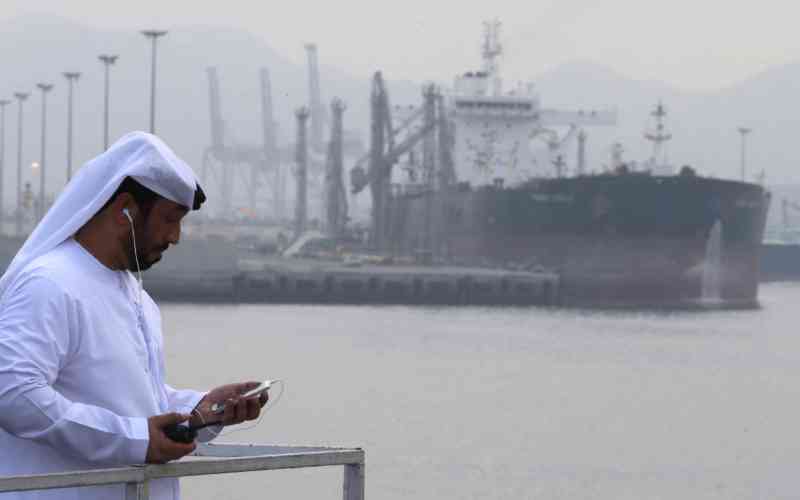
An Emirati man stands at the oil terminal of Fujairah during the inauguration ceremony of a dock for supertankers on September 21, 2016. [AFP]
The exit of the UAE from OPEC and OPEC+ starting in May has cast doubts over the Saudi-led cartel’s future after losing its fourth largest producer and further strains ties between the two Gulf rivals.
While the United Arab Emirates is not the first country to leave OPEC, it is by far the biggest oil producer to do so — dealing a massive blow to the group’s hegemony and its ability to regulate oil prices and absorb shocks.
What was the UAE’s role in OPEC?
Before Iran’s blockade of Hormuz disrupted oil flows, the UAE was OPEC+’s fourth largest producer and accounted for nearly 13 percent of OPEC production.
Others, including Qatar and Angola, have already left the group, but the UAE’s departure is by far OPEC’s most important loss.
In February, it pumped 3.6 million barrels per day — making it a key asset for the cartel.
Why did the UAE leave?
The UAE has long been frustrated with the Saudi-led OPEC’s quotas, which sought to cap Emirati production at 3.4 million barrels a day.
Abu Dhabi seeks to expand its production capacity to five million barrels a day by 2027.
Iran’s Hormuz blockade gave the UAE an opportunity to leave OPEC without impacting prices while positioning itself to take market share once the Strait opens, said Neil Quilliam, an energy and geopolitics expert at Chatham House.
“The decision to leave was taken a long while go, so it was just a matter of timing,” said Quilliam.
The UAE did not want to be constrained by quotas once the Hormuz crisis ends, a source close to the UAE energy ministry told AFP.
This reflects clashing strategies between the UAE and Saudi Arabia. The UAE’s already-diversified economy is better suited to weather lower oil prices, while Saudi Arabia relies heavily upon oil for the government’s operating revenue and to fund diversification.
The UAE’s “optimal strategy for extracting maximum value from the energy transition requires production freedom, carbon premium capture, and geopolitical independence from price politics, none of which OPEC’s architecture permits,” said Nadim Koteich, a Lebanese-Emirati commentator who previously headed UAE broadcaster Sky News Arabia.
The added revenue would allow the UAE to step up its investments in artificial intelligence and other high-tech sectors.
What about UAE-Saudi ties?
The UAE’s decision to exit the Saudi-led cartel puts added strain on Saudi-Emirati ties, analysts said, which have soured since a public falling out in December over Yemen.
The pair is at odds over foreign policy, oil output and the Middle East war.
The Emirates have signalled disappointment in traditional Arab allies over the war, including the Cairo-based Arab League but also the Riyadh-headquartered Gulf Cooperation Council.
Its rift with Saudi Arabia has extended to divergences over Iran, with the UAE taking a more hawkish stance while Saudi Arabia has backed Pakistan’s mediation efforts.
UAE Energy Minister Suhail Al Mazrouei has insisted the decision was “not political”.
But analysts warned it would fuel their rivalry.
“No doubt this will further sour ties between Riyadh and Abu Dhabi. It will not only intensify the competition for influence between them in the Red Sea but also in energy markets,” Chatham House’s Quilliam said.
In an essay penned days before the OPEC exit, Tareq Alotaiba, a former UAE official and Harvard fellow, lambasted the “hollowness of Arab solidarity,” which he warned could push Abu Dhabi out of OPEC or other Arab-led institutions.
A UAE official told AFP that the country was “revising the relevance and utility of its role and contribution” in multilateral organisations but that is was “not considering any withdrawals”.
What impact on the market?
The UAE currently has a production capacity of 4.3 million barrels a day, according to Francis Perrin, an energy expert at the French Institute for International and Strategic Affairs.
If it flooded the market with all of this oil after the war ends it could sharply lower prices.
With the UAE out of OPEC, Saudi Arabia now holds nearly all of the cartel’s spare production capacity and must bear the burden of managing supply and limiting shocks, said Jorge Leon of Rystad Energy.
“Saudi Arabia is now left doing more of the heavy lifting on price stability, and the market loses one of the few shock absorbers it had left,” he said.
Could others follow suit?
Kremlin spokesman Dmitry Peskov told reporters Russia hoped the UAE’s departure does not signal the end of OPEC.
Iraq and Kazakhastan have been exceeding OPEC+ production quotas, but said they would not leave the group.
If they were to exit, “that would raise alarm bells,” Perrin said.
Support Independent Journalism
Stand With Bold Journalism.
Stand With The Standard.
Continue
→
Pay via
Secure Payment
Kenya’s most trusted newsroom since 1902
Follow The Standard on
An Emirati man stands at the oil terminal of Fujairah during the inauguration ceremony of a dock for supertankers on September 21, 2016.
[AFP]
The exit of the UAE from OPEC and OPEC+ starting in May has cast doubts over the Saudi-led cartel’s future after losing its fourth largest producer and further strains ties between the two Gulf rivals.
While the United Arab Emirates is not the first country to leave OPEC, it is by far the biggest oil producer to do so — dealing a massive blow to the group’s hegemony and its ability to regulate oil prices and absorb shocks.
What was the UAE’s role in OPEC?
Before Iran’s blockade of Hormuz disrupted oil flows, the UAE was OPEC+’s
fourth largest producer
and accounted for nearly 13 percent of OPEC production.
Others, including Qatar and Angola, have already left the group, but the UAE’s departure is by far OPEC’s most important loss.
In February, it pumped 3.6 million barrels per day — making it a key asset for the cartel.
Why did the UAE leave?
The UAE has long been frustrated with the Saudi-led OPEC’s quotas, which sought to cap Emirati production at 3.4 million barrels a day.
Abu Dhabi seeks to expand its production capacity to five million barrels a day by 2027.
Iran’s Hormuz blockade gave the UAE an opportunity to leave OPEC without impacting prices while positioning itself to
take market share
once the Strait opens, said Neil Quilliam, an energy and geopolitics expert at Chatham House.
“The decision to leave was taken a long while go, so it was just a matter of timing,” said Quilliam.
The UAE did not want to be constrained by quotas once the Hormuz crisis ends, a source close to the UAE energy ministry told AFP.
This reflects clashing strategies between the UAE and Saudi Arabia. The UAE’s already-diversified economy is better suited to weather lower oil prices, while Saudi Arabia relies heavily upon oil for the government’s operating revenue and to fund diversification.
The UAE’s “optimal strategy for extracting maximum value from the energy transition requires production freedom, carbon premium capture, and geopolitical independence from price politics, none of which OPEC’s architecture permits,” said Nadim Koteich, a Lebanese-Emirati commentator who previously headed UAE broadcaster Sky News Arabia.
Stay informed. Subscribe to our newsletter
The added revenue would allow the UAE to step up its investments in artificial intelligence and other high-tech sectors.
What about UAE-Saudi ties?
The UAE’s decision to exit the Saudi-led cartel puts added strain on Saudi-Emirati ties, analysts said, which have soured since a public falling out in December over Yemen.
The pair is at odds over foreign policy, oil output and the Middle East war.
The Emirates have signalled disappointment in traditional Arab allies over the war, including the Cairo-based Arab League but also the Riyadh-headquartered Gulf Cooperation Council.
Its rift with Saudi Arabia has extended to divergences over Iran, with the UAE taking a more hawkish stance while Saudi Arabia has backed Pakistan’s mediation efforts.
UAE Energy Minister Suhail Al Mazrouei has insisted the decision was “not political”.
But analysts warned it would fuel their rivalry.
“No doubt this will further sour ties between Riyadh and Abu Dhabi. It will not only intensify the competition for influence between them in the Red Sea but also in energy markets,” Chatham House’s Quilliam said.
In an essay penned days before the OPEC exit, Tareq Alotaiba, a former UAE official and Harvard fellow, lambasted the “hollowness of Arab solidarity,” which he warned could push Abu Dhabi out of OPEC or other Arab-led institutions.
A UAE official told AFP that the country was “revising the relevance and utility of its role and contribution” in multilateral organisations but that is was “not considering any withdrawals”.
What impact on the market?
The UAE currently has a production capacity of 4.3 million barrels a day, according to Francis Perrin, an energy expert at the French Institute for International and Strategic Affairs.
If it flooded the market with all of this oil after the war ends it could sharply lower prices.
With the UAE out of OPEC, Saudi Arabia now holds nearly all of the cartel’s spare production capacity and must bear the burden of managing supply and limiting shocks, said Jorge Leon of Rystad Energy.
“Saudi Arabia is now left doing more of the heavy lifting on price stability, and the market loses one of the few shock absorbers it had left,” he said.
Could others follow suit?
Kremlin spokesman Dmitry Peskov told reporters Russia hoped the UAE’s departure does not signal the end of OPEC.
Iraq and Kazakhastan have been exceeding OPEC+ production quotas, but said they would not leave the group.
If they were to exit, “that would raise alarm bells,” Perrin said.
By AFP