



Audio By Vocalize


Obesity in Kenya is still often spoken about as a character flaw. A question of discipline. Even gluttony. Yet science and patient experience now point in a different direction.
The WHO describes obesity as a chronic disease requiring long-term, structured care. It affects more than one billion people worldwide and is associated with an estimated 3.7 million deaths from noncommunicable diseases in 2024 alone.
The uncomfortable truth is this. Kenya is trying to manage a modern chronic disease with outdated moral language. That gap is now shaping stigma, treatment access, misinformation, and the rise of unsafe black markets for medicines such as GLP-1 therapies.
For decades, “fat” people have been portrayed in media and popular culture as comedic figures, undisciplined individuals, or objects of pity. Research on TV representation shows that overweight characters are more likely to be framed negatively than their thinner counterparts. These portrayals matter because they shape social attitudes negatively.
Studies in healthcare settings show that even clinicians can hold biases, sometimes associating obesity with laziness or poor compliance. This shames the patients. Shame does not reduce obesity.
If it did, global rates would be falling. Instead, stigma increases stress, worsens emotional eating, and discourages people from seeking care. Bullying is not treatment. It is a barrier to treatment.
The second reality is biological and environmental complexity. Obesity is not simply about eating too much or moving too little. It involves hormonal systems such as ghrelin and GLP-1, which regulate hunger and satiety, as well as genetic predisposition, sleep disruption, stress, and metabolic adaptation.
It is also shaped by the environment. Many people live in places where food is expensive, processed foods dominate, and safe spaces for physical activity are limited. In such conditions, reducing obesity to willpower is scientifically incomplete.
Psychological experience also matters. Many patients describe persistent “food noise”, intrusive and constant thoughts about eating that feel overwhelming. This is not a lack of discipline. It reflects neurobiological pathways that modern medicine is now beginning to understand and target.
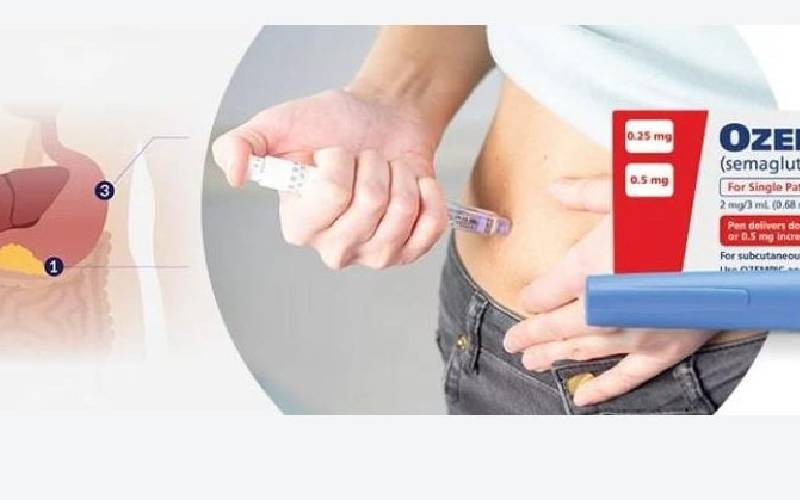
This leads to a third shift: GLP-1 medicines such as semaglutide and tirzepatide. Originally developed for type 2 diabetes, they have shown strong effects on appetite regulation, weight loss, and metabolic health.
Their impact has been significant enough that the WHO now recognizes GLP-1 therapies as part of long-term obesity treatment in adults, alongside behavioral and lifestyle support.
Yet access in Kenya is sharply unequal. Reports indicate that a single injection can cost up to Sh50,000 in some settings. For most patients, this is out of reach. The result is a divided system. Those who can afford private care have access to regulated treatment. Those who cannot are pushed toward informal markets, social media sellers, and unverified claims.
The fourth issue is communication. Government messaging around GLP-1 medicines in Kenya has largely focused on warnings about misuse and safety risks. Regulation is necessary.
Off-label use, counterfeit products, and unsafe distribution are real dangers. But regulation without public education creates a vacuum. That vacuum is quickly filled by TikTok influencers and marketers.
The strongest argument against wider GLP-1 use is cost, uncertainty, and safety. These medicines are expensive, require long-term use, and still have ongoing research on long-term outcomes. WHO itself classifies its recommendations as conditional due to affordability, system readiness, and limited long-term data
These concerns are real and must not be ignored. They require structured regulation, clinical supervision, and fair access systems. The WHO has already placed semaglutide on its Model List of Essential Medicines for priority groups, signaling that the debate is not whether these drugs matter, but how they should be delivered safely and equitably.
A more credible approach is emerging globally. It includes early diagnosis, patient-centred care, multidisciplinary treatment, and communication grounded in science rather than stigma.
Writer comments on topical issues
.std-banner-wrap {
max-width: 100%;
width: 100%;
position: relative;
margin: 2.5rem 0 2rem;
font-family: Georgia, ‘Times New Roman’, serif;
}
.std-top-rule {
display: flex;
height: 4px;
}
.std-top-rule .r1 {
background: #CC0000;
flex: 3;
}
.std-top-rule .r2 {
background: #C9A84C;
flex: 1;
}
.std-top-rule .r3 {
background: #0D0D0D;
flex: 6;
}
.std-banner {
background: #F9F5F0;
padding: 2rem 2.2rem 1.8rem;
position: relative;
overflow: hidden;
box-shadow: 0 4px 24px rgba(0, 0, 0, 0.10), 0 1px 0 #C9A84C;
border-left: 4px solid #CC0000;
}
.std-banner::before {
content: ‘S’;
position: absolute;
right: -1rem;
top: -2rem;
font-family: Georgia, serif;
font-size: 14rem;
font-weight: 900;
color: rgba(204, 0, 0, 0.04);
line-height: 1;
pointer-events: none;
user-select: none;
}
.std-eyebrow {
display: inline-flex;
align-items: center;
gap: 0.5rem;
font-size: 0.62rem;
font-weight: 700;
letter-spacing: 0.2em;
text-transform: uppercase;
color: #CC0000;
margin-bottom: 0.85rem;
font-family: Arial, sans-serif;
}
.std-eyebrow::before {
content: ”;
display: block;
width: 18px;
height: 1.5px;
background: #CC0000;
}
.std-banner-title {
font-family: Georgia, ‘Times New Roman’, serif;
font-size: clamp(1.3rem, 3.5vw, 1.75rem);
font-weight: 900;
color: #0D0D0D;
line-height: 1.2;
margin: 0 0 0.75rem;
letter-spacing: -0.02em;
}
.std-banner-title .std-hl {
color: #CC0000;
font-style: italic;
}
.std-divider {
display: flex;
align-items: center;
gap: 0.6rem;
margin-bottom: 0.9rem;
}
.std-divider::before,
.std-divider::after {
content: ”;
flex: 1;
height: 1px;
background: #d8d0c6;
}
.std-divider-dot {
width: 6px;
height: 6px;
border-radius: 50%;
background: #CC0000;
flex-shrink: 0;
}
.std-banner-body {
font-size: 0.97rem;
line-height: 1.7;
color: #2C2C2C;
font-weight: 400;
margin: 0 0 1.4rem;
font-family: Georgia, serif;
}
.std-banner-body strong {
font-weight: 700;
color: #0D0D0D;
}
.std-cta-row {
display: flex;
align-items: center;
gap: 1rem;
flex-wrap: wrap;
margin-bottom: 1.2rem;
}
.std-btn-subscribe {
display: inline-flex;
align-items: center;
gap: 0.6rem;
background: #CC0000;
color: #fff !important;
font-family: Arial, sans-serif;
font-size: 0.8rem;
font-weight: 700;
letter-spacing: 0.1em;
text-transform: uppercase;
padding: 0.72rem 1.5rem 0.72rem 1.3rem;
border: none;
cursor: pointer;
text-decoration: none !important;
border-bottom: none !important;
position: relative;
overflow: hidden;
transition: background 0.2s ease, transform 0.15s ease, box-shadow 0.2s ease;
box-shadow: 0 4px 16px rgba(204, 0, 0, 0.3);
clip-path: polygon(0 0, calc(100% – 10px) 0, 100% 50%, calc(100% – 10px) 100%, 0 100%);
padding-right: 1.8rem;
}
.std-btn-subscribe:hover,
.std-btn-subscribe:focus,
.std-btn-subscribe:visited,
.std-btn-subscribe:active {
background: #A00000 !important;
color: #fff !important;
transform: translateY(-1px);
box-shadow: 0 6px 22px rgba(204, 0, 0, 0.4);
text-decoration: none !important;
border-bottom: none !important;
outline: none;
}
.std-btn-subscribe:active {
transform: translateY(0);
}
.std-btn-arrow {
display: inline-block;
font-size: 1rem;
line-height: 1;
transition: transform 0.18s ease;
}
.std-btn-subscribe:hover .std-btn-arrow {
transform: translateX(3px);
}
.std-dismiss {
font-size: 0.75rem;
color: #999;
background: none;
border: none;
border-bottom: 1px dashed #ccc;
padding: 0 0 1px;
cursor: pointer;
font-family: Georgia, serif;
letter-spacing: 0.03em;
transition: color 0.2s;
}
.std-dismiss:hover {
color: #333;
border-bottom-color: #333;
}
/* Payment logos */
.std-payment-row {
display: flex;
align-items: center;
gap: 0.45rem;
flex-wrap: wrap;
padding-top: 1rem;
border-top: 1px solid #e0d9d0;
margin-bottom: 0.7rem;
}
.std-pay-label {
font-size: 0.6rem;
color: #aaa;
letter-spacing: 0.14em;
text-transform: uppercase;
font-family: Arial, sans-serif;
margin-right: 0.2rem;
white-space: nowrap;
}
.std-pay-badge {
display: inline-flex;
align-items: center;
justify-content: center;
height: 24px;
padding: 0 0.5rem;
border-radius: 3px;
border: 1px solid #e0d7ce;
background: #fff;
box-shadow: 0 1px 3px rgba(0, 0, 0, 0.05);
}
/* M-Pesa */
.std-mpesa-text {
font-family: Arial, sans-serif;
font-size: 0.7rem;
font-weight: 900;
}
.std-mpesa-m {
color: #39b74a;
}
.std-mpesa-dash {
color: #db3939;
}
.std-mpesa-p {
color: #39b74a;
}
/* Visa */
.std-visa-text {
font-family: ‘Times New Roman’, Times, serif;
font-size: 0.82rem;
font-weight: 900;
font-style: italic;
color: #1a1f71;
letter-spacing: -0.03em;
}
/* Mastercard */
.std-mc-wrap {
position: relative;
width: 28px;
height: 16px;
}
.std-mc-left {
width: 16px;
height: 16px;
border-radius: 50%;
background: #eb001b;
position: absolute;
left: 0;
top: 0;
}
.std-mc-right {
width: 16px;
height: 16px;
border-radius: 50%;
background: #f79e1b;
position: absolute;
right: 0;
top: 0;
mix-blend-mode: multiply;
}
/* Airtel Money */
.std-airtel-text {
font-family: Arial, sans-serif;
font-size: 0.64rem;
font-weight: 800;
}
.std-airtel-a {
color: #ec2427;
;
}
.std-airtel-m {
color: #dd3436;
font-weight: 600;
}
/* Equitel */
.std-equitel-text {
font-family: Arial, sans-serif;
font-size: 0.6rem;
font-weight: 700;
color: #003087;
letter-spacing: 0.02em;
}
.std-equitel-eq {
color: #e2001a;
}
/* Trust strip */
.std-trust-strip {
display: flex;
align-items: center;
gap: 0.45rem;
flex-wrap: wrap;
}
.std-trust-strip .std-shield {
width: 11px;
height: 11px;
fill: #C9A84C;
flex-shrink: 0;
}
.std-trust-strip span {
font-size: 0.67rem;
color: #aaa;
letter-spacing: 0.03em;
font-family: Arial, sans-serif;
}
.std-trust-strip .std-dot {
width: 3px;
height: 3px;
border-radius: 50%;
background: #ccc;
flex-shrink: 0;
}
/* Bottom rule */
.std-bottom-rule {
height: 2px;
background: linear-gradient(to right, #C9A84C, #CC0000, #0D0D0D);
}
/* Entrance animation */
@keyframes stdSlideUp {
from {
opacity: 0;
transform: translateY(20px);
}
to {
opacity: 1;
transform: translateY(0);
}
}
.std-banner-wrap {
animation: stdSlideUp 0.5s cubic-bezier(0.22, 1, 0.36, 1) both;
}
Support Independent Journalism
Stand With Bold Journalism.
Stand With The Standard.
Continue
→
Pay via
Secure Payment
Kenya’s most trusted newsroom since 1902
Follow The Standard on 

By Wanja Maina