



Audio By Vocalize
Kenya is set to begin commercial oil production by December 2026, Energy Cabinet Secretary Opiyo Wandayi has announced.
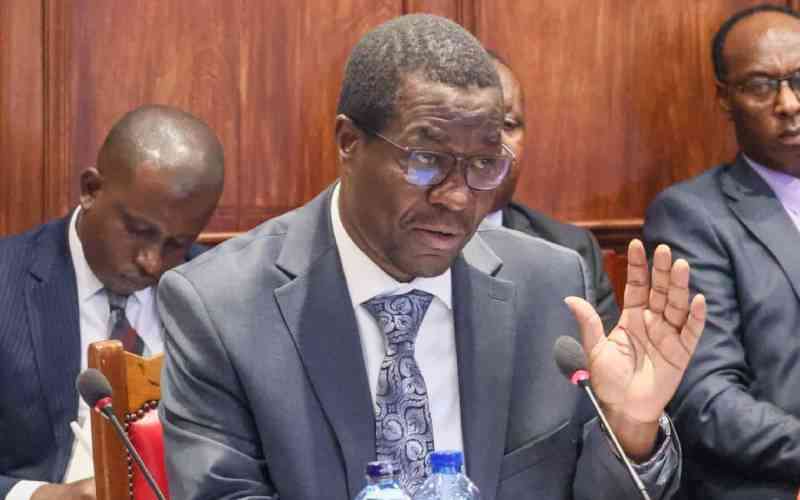
Addressing the Senate on Wednesday, May 6, Wandayi said, “For the first time, Kenya is going to produce oil before the end of this year commercially. We have gone through all the necessary processes, and we are sure that by then, we shall be producing crude oil from South Lokichar.”
But even as the milestone draws near, Kenya will not refine its own crude, at least not yet.
According to Wandayi, the volumes expected from the Turkana fields are too low to support a viable refinery.
“At the beginning, we shall be producing about 20,000 barrels per day, and gradually progress to about 50,000,” he said.
That output, he explained, falls significantly short of the threshold required to sustain a commercial refinery.
“Economists tell us you need between 300,000 and 500,000 barrels per day for a refinery to be viable. The quantity envisaged from South Lokichar is not adequate to run a commercial refinery,” he said.
According to the CS, that gap has informed Kenya’s decision to partner regionally by establishing a refinery in Tanga, Tanzania.
This is not the first time Kenya has explored building its own refinery. In the past, there have been proposals to establish one in Lamu and other coastal areas.
However, those plans have struggled to take off, largely due to high capital costs and uncertainty over sustained crude supply.
Refineries are among the most expensive energy investments, requiring not just significant capital outlay, but also a steady and large-scale flow of crude to remain viable.
According to Wandayi, the decision to pursue a refinery must be guided by commercial logic.
“A refinery business must make economic sense. The one in Changamwe did not meet that threshold, which is why operations were discontinued,” he said.
His remarks come days after Kenya and Uganda agreed to build a regional oil refinery in Tanzania.
The facility, to be located in Tanga, is expected to process crude from Uganda’s oil fields in Hoima, Kenya’s Lokichar basin, and other producers in the region.
The planned refinery is expected to reduce reliance on imported petroleum products, which are often affected by global supply disruptions.
.std-banner-wrap {
max-width: 100%;
width: 100%;
position: relative;
margin: 2.5rem 0 2rem;
font-family: Georgia, ‘Times New Roman’, serif;
}
.std-top-rule {
display: flex;
height: 4px;
}
.std-top-rule .r1 {
background: #CC0000;
flex: 3;
}
.std-top-rule .r2 {
background: #C9A84C;
flex: 1;
}
.std-top-rule .r3 {
background: #0D0D0D;
flex: 6;
}
.std-banner {
background: #F9F5F0;
padding: 2rem 2.2rem 1.8rem;
position: relative;
overflow: hidden;
box-shadow: 0 4px 24px rgba(0, 0, 0, 0.10), 0 1px 0 #C9A84C;
border-left: 4px solid #CC0000;
}
.std-banner::before {
content: ‘S’;
position: absolute;
right: -1rem;
top: -2rem;
font-family: Georgia, serif;
font-size: 14rem;
font-weight: 900;
color: rgba(204, 0, 0, 0.04);
line-height: 1;
pointer-events: none;
user-select: none;
}
.std-eyebrow {
display: inline-flex;
align-items: center;
gap: 0.5rem;
font-size: 0.62rem;
font-weight: 700;
letter-spacing: 0.2em;
text-transform: uppercase;
color: #CC0000;
margin-bottom: 0.85rem;
font-family: Arial, sans-serif;
}
.std-eyebrow::before {
content: ”;
display: block;
width: 18px;
height: 1.5px;
background: #CC0000;
}
.std-banner-title {
font-family: Georgia, ‘Times New Roman’, serif;
font-size: clamp(1.3rem, 3.5vw, 1.75rem);
font-weight: 900;
color: #0D0D0D;
line-height: 1.2;
margin: 0 0 0.75rem;
letter-spacing: -0.02em;
}
.std-banner-title .std-hl {
color: #CC0000;
font-style: italic;
}
.std-divider {
display: flex;
align-items: center;
gap: 0.6rem;
margin-bottom: 0.9rem;
}
.std-divider::before,
.std-divider::after {
content: ”;
flex: 1;
height: 1px;
background: #d8d0c6;
}
.std-divider-dot {
width: 6px;
height: 6px;
border-radius: 50%;
background: #CC0000;
flex-shrink: 0;
}
.std-banner-body {
font-size: 0.97rem;
line-height: 1.7;
color: #2C2C2C;
font-weight: 400;
margin: 0 0 1.4rem;
font-family: Georgia, serif;
}
.std-banner-body strong {
font-weight: 700;
color: #0D0D0D;
}
.std-cta-row {
display: flex;
align-items: center;
gap: 1rem;
flex-wrap: wrap;
margin-bottom: 1.2rem;
}
.std-btn-subscribe {
display: inline-flex;
align-items: center;
gap: 0.6rem;
background: #CC0000;
color: #fff !important;
font-family: Arial, sans-serif;
font-size: 0.8rem;
font-weight: 700;
letter-spacing: 0.1em;
text-transform: uppercase;
padding: 0.72rem 1.5rem 0.72rem 1.3rem;
border: none;
cursor: pointer;
text-decoration: none !important;
border-bottom: none !important;
position: relative;
overflow: hidden;
transition: background 0.2s ease, transform 0.15s ease, box-shadow 0.2s ease;
box-shadow: 0 4px 16px rgba(204, 0, 0, 0.3);
clip-path: polygon(0 0, calc(100% – 10px) 0, 100% 50%, calc(100% – 10px) 100%, 0 100%);
padding-right: 1.8rem;
}
.std-btn-subscribe:hover,
.std-btn-subscribe:focus,
.std-btn-subscribe:visited,
.std-btn-subscribe:active {
background: #A00000 !important;
color: #fff !important;
transform: translateY(-1px);
box-shadow: 0 6px 22px rgba(204, 0, 0, 0.4);
text-decoration: none !important;
border-bottom: none !important;
outline: none;
}
.std-btn-subscribe:active {
transform: translateY(0);
}
.std-btn-arrow {
display: inline-block;
font-size: 1rem;
line-height: 1;
transition: transform 0.18s ease;
}
.std-btn-subscribe:hover .std-btn-arrow {
transform: translateX(3px);
}
.std-dismiss {
font-size: 0.75rem;
color: #999;
background: none;
border: none;
border-bottom: 1px dashed #ccc;
padding: 0 0 1px;
cursor: pointer;
font-family: Georgia, serif;
letter-spacing: 0.03em;
transition: color 0.2s;
}
.std-dismiss:hover {
color: #333;
border-bottom-color: #333;
}
/* Payment logos */
.std-payment-row {
display: flex;
align-items: center;
gap: 0.45rem;
flex-wrap: wrap;
padding-top: 1rem;
border-top: 1px solid #e0d9d0;
margin-bottom: 0.7rem;
}
.std-pay-label {
font-size: 0.6rem;
color: #aaa;
letter-spacing: 0.14em;
text-transform: uppercase;
font-family: Arial, sans-serif;
margin-right: 0.2rem;
white-space: nowrap;
}
.std-pay-badge {
display: inline-flex;
align-items: center;
justify-content: center;
height: 24px;
padding: 0 0.5rem;
border-radius: 3px;
border: 1px solid #e0d7ce;
background: #fff;
box-shadow: 0 1px 3px rgba(0, 0, 0, 0.05);
}
/* M-Pesa */
.std-mpesa-text {
font-family: Arial, sans-serif;
font-size: 0.7rem;
font-weight: 900;
}
.std-mpesa-m {
color: #39b74a;
}
.std-mpesa-dash {
color: #db3939;
}
.std-mpesa-p {
color: #39b74a;
}
/* Visa */
.std-visa-text {
font-family: ‘Times New Roman’, Times, serif;
font-size: 0.82rem;
font-weight: 900;
font-style: italic;
color: #1a1f71;
letter-spacing: -0.03em;
}
/* Mastercard */
.std-mc-wrap {
position: relative;
width: 28px;
height: 16px;
}
.std-mc-left {
width: 16px;
height: 16px;
border-radius: 50%;
background: #eb001b;
position: absolute;
left: 0;
top: 0;
}
.std-mc-right {
width: 16px;
height: 16px;
border-radius: 50%;
background: #f79e1b;
position: absolute;
right: 0;
top: 0;
mix-blend-mode: multiply;
}
/* Airtel Money */
.std-airtel-text {
font-family: Arial, sans-serif;
font-size: 0.64rem;
font-weight: 800;
}
.std-airtel-a {
color: #ec2427;
;
}
.std-airtel-m {
color: #dd3436;
font-weight: 600;
}
/* Equitel */
.std-equitel-text {
font-family: Arial, sans-serif;
font-size: 0.6rem;
font-weight: 700;
color: #003087;
letter-spacing: 0.02em;
}
.std-equitel-eq {
color: #e2001a;
}
/* Trust strip */
.std-trust-strip {
display: flex;
align-items: center;
gap: 0.45rem;
flex-wrap: wrap;
}
.std-trust-strip .std-shield {
width: 11px;
height: 11px;
fill: #C9A84C;
flex-shrink: 0;
}
.std-trust-strip span {
font-size: 0.67rem;
color: #aaa;
letter-spacing: 0.03em;
font-family: Arial, sans-serif;
}
.std-trust-strip .std-dot {
width: 3px;
height: 3px;
border-radius: 50%;
background: #ccc;
flex-shrink: 0;
}
/* Bottom rule */
.std-bottom-rule {
height: 2px;
background: linear-gradient(to right, #C9A84C, #CC0000, #0D0D0D);
}
/* Entrance animation */
@keyframes stdSlideUp {
from {
opacity: 0;
transform: translateY(20px);
}
to {
opacity: 1;
transform: translateY(0);
}
}
.std-banner-wrap {
animation: stdSlideUp 0.5s cubic-bezier(0.22, 1, 0.36, 1) both;
}
Support Independent Journalism
Stand With Bold Journalism.
Stand With The Standard.
Continue
→
Pay via
Secure Payment
Kenya’s most trusted newsroom since 1902
Follow The Standard on
Kenya is set to begin commercial oil production by December 2026, Energy Cabinet Secretary Opiyo Wandayi has announced.
Addressing the Senate on Wednesday, May 6, Wandayi said, “For the first time, Kenya is going to produce oil before the end of this year commercially. We have gone through all the necessary processes, and we are sure that by then, we shall be producing crude oil from South Lokichar.”
But even as the milestone draws near, Kenya will not refine its own crude, at least not yet.
According to Wandayi, the volumes expected from the Turkana fields are too low to support a viable refinery.
“At the beginning, we shall be producing about 20,000 barrels per day, and gradually progress to about 50,000,” he said.
That output, he explained, falls significantly short of the threshold required to sustain a commercial refinery.
“Economists tell us you need between 300,000 and 500,000 barrels per day for a refinery to be viable. The quantity envisaged from South Lokichar is not adequate to run a commercial refinery,” he said.
According to the CS, that gap has informed Kenya’s decision to partner regionally by establishing a refinery in
Tanga, Tanzania.
This is not the first time Kenya has explored building its own refinery. In the past, there have been proposals to establish one in Lamu and other coastal areas.
However, those plans have struggled to take off, largely due to high capital costs and uncertainty over sustained crude supply.
Refineries are among the most expensive energy investments, requiring not just significant capital outlay, but also a steady and large-scale flow of crude to remain viable.
According to Wandayi, the decision to pursue a refinery must be guided by commercial logic.
“A refinery business must make economic sense. The one in
Changamwe
did not meet that threshold, which is why operations were discontinued,” he said.
His remarks come days after
Kenya and Uganda agreed to build a regional oil refinery
in Tanzania.
The facility, to be located in Tanga, is expected to process crude from Uganda’s oil fields in Hoima, Kenya’s Lokichar basin, and other producers in the region.
Stay informed. Subscribe to our newsletter
The planned refinery is expected to reduce reliance on imported petroleum products, which are often affected by global supply disruptions.
By Esther Nyambura