



Audio By Vocalize

Two months ago, Parliament enacted one of the most ambitious financial laws in Kenya’s recent history: the National Infrastructure Fund (NIF) Act.
Targeting a mobilisation of a minimum Sh5 trillion over the next decade, the fund signals a decisive pivot away from foreign commercial debt towards domestic capital and public-private partnerships.
There is no doubt that the Infrastructure Fund is one of President Ruto’s boldest visions, and if well managed, could revolutionise revenue sourcing for public projects.
For seed capital, the government plans to leverage funds from the recent Kenya Pipeline Company IPO and the partial sale of its Safaricom stake to “crowd-in” private investment from a wide range of investors. The targeted investors include both local and international private capital, with a target of attracting Sh10 for every public shilling invested.
A key possibility is the mobilisation of domestic savings. Economists note, for instance, that African pension funds, which are cash-heavy, remain underutilised. They could find a credible investment vehicle in the NIF if it delivers bankable, transparent projects.
If successful, the NIF also opens doors to partnerships with Sovereign Wealth Funds from Africa and the Gulf, many of which have explicit allocations for emerging-market infrastructure.
Creating a dedicated, professionally managed fund would enable Kenya to build the investor confidence needed to accelerate project completion and provide modern infrastructure essential for becoming a competitive regional logistics and economic hub.
As the President declared, the fund makes Kenya “the architects of our own future,” aiming to replace costly foreign loans that built projects like the Standard Gauge Railway with a self-sustaining investment vehicle. For a nation whose debt-to-GDP ratio peaked at a risky 67.3 per cent in 2025, the logic of exit from debt dependence is compelling.
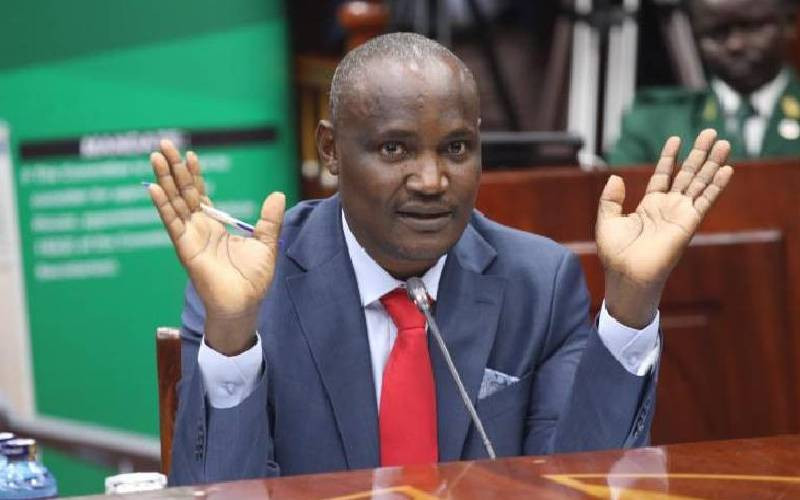
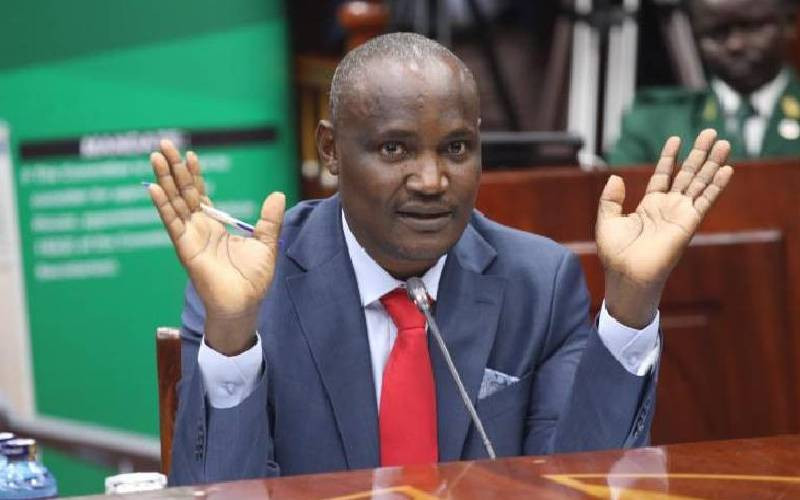
As Treasury Cabinet Secretary John Mbadi explained, there are many projects in Kenya being funded through expensive and debilitating debt that can generate their own returns and eventually pay for themselves.
Not only does financing commercially viable projects through commercial capital, rather than the taxpayer’s credit card, represent a necessary structural shift, but this approach also represents a tactical survival mechanism as international lenders increasingly express concerns about Kenya’s debt risk.
Such lenders also require policy prescriptions that are socially unpopular, as the IMF-designed 2024 Finance Bill showed. The potential benefits of unlocking the debt-based fiscal straitjacket are transformative.
By converting dormant public assets into liquid investment capital without imposing new taxes, the NIF promises to revitalise sectors like the transport network, demanding billions annually.
Other sectors that NIF is poised to target include the expansion of Jomo Kenyatta International Airport and projects in the energy and water sectors. Despite its positive possibilities, critics contend that its implementation can generate minefields of governance and legal risks.
To mitigate some of the governance risks, the Fund’s leadership structure is comprised of both a government-heavy Advisory Council, which provides policy guidance, and a competitively recruited Board of Directors, which oversees the operational management of the Fund.
It is critical that, as the Governing Council recruits its first Board in the next few weeks, it gives the country a team that will give public confidence in the institution from inception.
Decades of corruption in public institutions and opaque infrastructure deals have eroded public trust in government institutions. This skepticism is now weaponised by political rivals, some of whom have labelled the Fund a “vehicle to rig the polls”.
While such claims are more about politics than a genuine desire for integrity, the political heat they generate raises the stakes for transparency.
A Board that does not generate public confidence or the slightest whiff of misappropriation could validate claims that the NIF is merely a repackaging of old habits. All in all, as a policy move, there is no doubt that the National Infrastructure Fund could be Kenya’s public finance game changer.
If it successfully insulates its operations from political pressure and ensures no underhanded deals, it could deliver the airports, highways, dams, and energy plants that move Kenya up the value chain without plunging future generations deeper into debt.
Well managed, the NIF could become the pillar of economic revolution Kenya so desperately needs. Over to John Mbadi and team.
–The writer is an advocate of the High Court of Kenya
.std-banner-wrap {
max-width: 100%;
width: 100%;
position: relative;
margin: 2.5rem 0 2rem;
font-family: Georgia, ‘Times New Roman’, serif;
}
.std-top-rule {
display: flex;
height: 4px;
}
.std-top-rule .r1 {
background: #CC0000;
flex: 3;
}
.std-top-rule .r2 {
background: #C9A84C;
flex: 1;
}
.std-top-rule .r3 {
background: #0D0D0D;
flex: 6;
}
.std-banner {
background: #F9F5F0;
padding: 2rem 2.2rem 1.8rem;
position: relative;
overflow: hidden;
box-shadow: 0 4px 24px rgba(0, 0, 0, 0.10), 0 1px 0 #C9A84C;
border-left: 4px solid #CC0000;
}
.std-banner::before {
content: ‘S’;
position: absolute;
right: -1rem;
top: -2rem;
font-family: Georgia, serif;
font-size: 14rem;
font-weight: 900;
color: rgba(204, 0, 0, 0.04);
line-height: 1;
pointer-events: none;
user-select: none;
}
.std-eyebrow {
display: inline-flex;
align-items: center;
gap: 0.5rem;
font-size: 0.62rem;
font-weight: 700;
letter-spacing: 0.2em;
text-transform: uppercase;
color: #CC0000;
margin-bottom: 0.85rem;
font-family: Arial, sans-serif;
}
.std-eyebrow::before {
content: ”;
display: block;
width: 18px;
height: 1.5px;
background: #CC0000;
}
.std-banner-title {
font-family: Georgia, ‘Times New Roman’, serif;
font-size: clamp(1.3rem, 3.5vw, 1.75rem);
font-weight: 900;
color: #0D0D0D;
line-height: 1.2;
margin: 0 0 0.75rem;
letter-spacing: -0.02em;
}
.std-banner-title .std-hl {
color: #CC0000;
font-style: italic;
}
.std-divider {
display: flex;
align-items: center;
gap: 0.6rem;
margin-bottom: 0.9rem;
}
.std-divider::before,
.std-divider::after {
content: ”;
flex: 1;
height: 1px;
background: #d8d0c6;
}
.std-divider-dot {
width: 6px;
height: 6px;
border-radius: 50%;
background: #CC0000;
flex-shrink: 0;
}
.std-banner-body {
font-size: 0.97rem;
line-height: 1.7;
color: #2C2C2C;
font-weight: 400;
margin: 0 0 1.4rem;
font-family: Georgia, serif;
}
.std-banner-body strong {
font-weight: 700;
color: #0D0D0D;
}
.std-cta-row {
display: flex;
align-items: center;
gap: 1rem;
flex-wrap: wrap;
margin-bottom: 1.2rem;
}
.std-btn-subscribe {
display: inline-flex;
align-items: center;
gap: 0.6rem;
background: #CC0000;
color: #fff !important;
font-family: Arial, sans-serif;
font-size: 0.8rem;
font-weight: 700;
letter-spacing: 0.1em;
text-transform: uppercase;
padding: 0.72rem 1.5rem 0.72rem 1.3rem;
border: none;
cursor: pointer;
text-decoration: none !important;
border-bottom: none !important;
position: relative;
overflow: hidden;
transition: background 0.2s ease, transform 0.15s ease, box-shadow 0.2s ease;
box-shadow: 0 4px 16px rgba(204, 0, 0, 0.3);
clip-path: polygon(0 0, calc(100% – 10px) 0, 100% 50%, calc(100% – 10px) 100%, 0 100%);
padding-right: 1.8rem;
}
.std-btn-subscribe:hover,
.std-btn-subscribe:focus,
.std-btn-subscribe:visited,
.std-btn-subscribe:active {
background: #A00000 !important;
color: #fff !important;
transform: translateY(-1px);
box-shadow: 0 6px 22px rgba(204, 0, 0, 0.4);
text-decoration: none !important;
border-bottom: none !important;
outline: none;
}
.std-btn-subscribe:active {
transform: translateY(0);
}
.std-btn-arrow {
display: inline-block;
font-size: 1rem;
line-height: 1;
transition: transform 0.18s ease;
}
.std-btn-subscribe:hover .std-btn-arrow {
transform: translateX(3px);
}
.std-dismiss {
font-size: 0.75rem;
color: #999;
background: none;
border: none;
border-bottom: 1px dashed #ccc;
padding: 0 0 1px;
cursor: pointer;
font-family: Georgia, serif;
letter-spacing: 0.03em;
transition: color 0.2s;
}
.std-dismiss:hover {
color: #333;
border-bottom-color: #333;
}
/* Payment logos */
.std-payment-row {
display: flex;
align-items: center;
gap: 0.45rem;
flex-wrap: wrap;
padding-top: 1rem;
border-top: 1px solid #e0d9d0;
margin-bottom: 0.7rem;
}
.std-pay-label {
font-size: 0.6rem;
color: #aaa;
letter-spacing: 0.14em;
text-transform: uppercase;
font-family: Arial, sans-serif;
margin-right: 0.2rem;
white-space: nowrap;
}
.std-pay-badge {
display: inline-flex;
align-items: center;
justify-content: center;
height: 24px;
padding: 0 0.5rem;
border-radius: 3px;
border: 1px solid #e0d7ce;
background: #fff;
box-shadow: 0 1px 3px rgba(0, 0, 0, 0.05);
}
/* M-Pesa */
.std-mpesa-text {
font-family: Arial, sans-serif;
font-size: 0.7rem;
font-weight: 900;
}
.std-mpesa-m {
color: #39b74a;
}
.std-mpesa-dash {
color: #db3939;
}
.std-mpesa-p {
color: #39b74a;
}
/* Visa */
.std-visa-text {
font-family: ‘Times New Roman’, Times, serif;
font-size: 0.82rem;
font-weight: 900;
font-style: italic;
color: #1a1f71;
letter-spacing: -0.03em;
}
/* Mastercard */
.std-mc-wrap {
position: relative;
width: 28px;
height: 16px;
}
.std-mc-left {
width: 16px;
height: 16px;
border-radius: 50%;
background: #eb001b;
position: absolute;
left: 0;
top: 0;
}
.std-mc-right {
width: 16px;
height: 16px;
border-radius: 50%;
background: #f79e1b;
position: absolute;
right: 0;
top: 0;
mix-blend-mode: multiply;
}
/* Airtel Money */
.std-airtel-text {
font-family: Arial, sans-serif;
font-size: 0.64rem;
font-weight: 800;
}
.std-airtel-a {
color: #ec2427;
;
}
.std-airtel-m {
color: #dd3436;
font-weight: 600;
}
/* Equitel */
.std-equitel-text {
font-family: Arial, sans-serif;
font-size: 0.6rem;
font-weight: 700;
color: #003087;
letter-spacing: 0.02em;
}
.std-equitel-eq {
color: #e2001a;
}
/* Trust strip */
.std-trust-strip {
display: flex;
align-items: center;
gap: 0.45rem;
flex-wrap: wrap;
}
.std-trust-strip .std-shield {
width: 11px;
height: 11px;
fill: #C9A84C;
flex-shrink: 0;
}
.std-trust-strip span {
font-size: 0.67rem;
color: #aaa;
letter-spacing: 0.03em;
font-family: Arial, sans-serif;
}
.std-trust-strip .std-dot {
width: 3px;
height: 3px;
border-radius: 50%;
background: #ccc;
flex-shrink: 0;
}
/* Bottom rule */
.std-bottom-rule {
height: 2px;
background: linear-gradient(to right, #C9A84C, #CC0000, #0D0D0D);
}
/* Entrance animation */
@keyframes stdSlideUp {
from {
opacity: 0;
transform: translateY(20px);
}
to {
opacity: 1;
transform: translateY(0);
}
}
.std-banner-wrap {
animation: stdSlideUp 0.5s cubic-bezier(0.22, 1, 0.36, 1) both;
}
Support Independent Journalism
Stand With Bold Journalism.
Stand With The Standard.
Continue
→
Pay via
Secure Payment
Kenya’s most trusted newsroom since 1902
Follow The Standard on 

By Kamotho Waiganjo